Sinar Mas
-
DATABASE (422)
-
ARTICLES (19)
Co-Founder and COO of Lemonilo
Harvard graduate Johannes Ardiant earned his bachelor’s degree in Computing from the National University of Singapore. He also pursued a Master’s in Public Policy at Harvard. In 2015 he became the co-founder and COO of healthcare services platform Konsula, which pivoted into health food startup Lemonilo in 2017. Currently, he heads Lemonilo’s product, engineering, data, design and operations.

Harvard graduate Johannes Ardiant earned his bachelor’s degree in Computing from the National University of Singapore. He also pursued a Master’s in Public Policy at Harvard. In 2015 he became the co-founder and COO of healthcare services platform Konsula, which pivoted into health food startup Lemonilo in 2017. Currently, he heads Lemonilo’s product, engineering, data, design and operations.
Co-Founder of Lemonilo
Michigan University graduate Ronald Wijaya has a bachelor’s and a master’s in Industrial Engineering. Upon graduation, Wijaya worked at Indonesian confectionery and beverage company PT. United Family Food, first as an Operations Manager and then as a Project Manager. He was also a volunteer on a missionary trip to Kolkata, India, to help underprivileged children and youths. Wijaya continues to work in Lemonilo, the health food company that was born from Konsula’s pivot, and is currently co-CEO of the company.

Michigan University graduate Ronald Wijaya has a bachelor’s and a master’s in Industrial Engineering. Upon graduation, Wijaya worked at Indonesian confectionery and beverage company PT. United Family Food, first as an Operations Manager and then as a Project Manager. He was also a volunteer on a missionary trip to Kolkata, India, to help underprivileged children and youths. Wijaya continues to work in Lemonilo, the health food company that was born from Konsula’s pivot, and is currently co-CEO of the company.
CTO and co-founder of Diamond Foundry
Jeremy Scholz is CTO and co-founder at US-based unicorn Diamond Foundry, the first certified carbon-neutral lab-produced diamond manufacturer. He has worked there since 2012, leading up to the company’s official establishment. Prior to this, Scholz co-founded startup consultancy Alicanto in 2011 and briefly worked at startup YottaQ as director of engineering. From 2006–2011, Scholz worked as an engineer and manager at the $640m solar power startup Nanosolar. Silicon Valley's first solar power technology startup financed by American venture capital, the firm was the highest-valued firm in the industry at the time. When Nanosolar closed due to cheaper competition from China, much of its technical expertise and experience were diverted to set up Diamond Foundry. Scholz graduated from the Massachusetts Institute of Technology in mechanical engineering and started his career working at Boeing as a mechanical engineer from 2005–2006.

Jeremy Scholz is CTO and co-founder at US-based unicorn Diamond Foundry, the first certified carbon-neutral lab-produced diamond manufacturer. He has worked there since 2012, leading up to the company’s official establishment. Prior to this, Scholz co-founded startup consultancy Alicanto in 2011 and briefly worked at startup YottaQ as director of engineering. From 2006–2011, Scholz worked as an engineer and manager at the $640m solar power startup Nanosolar. Silicon Valley's first solar power technology startup financed by American venture capital, the firm was the highest-valued firm in the industry at the time. When Nanosolar closed due to cheaper competition from China, much of its technical expertise and experience were diverted to set up Diamond Foundry. Scholz graduated from the Massachusetts Institute of Technology in mechanical engineering and started his career working at Boeing as a mechanical engineer from 2005–2006.
CEO and co-founder of IXON Food Technology
Felix Cheung graduated in physics from Adelaide’s Flinders University in 1999 and obtained a PhD in physics from the University of Sydney in 2005. He obtained a master’s in food analysis and food safety management from Hong Kong Baptist University in 2015. Cheung met Elton Ho during the master’s program at university and they teamed up to co-develop the advanced sous-vide aseptic packaging (ASAP) technology. In January 2017, they established IXON Food Technology to further develop and commercialize ASAP for the food industry.Cheung previously worked as a website designer and administrator at the Complex Plasma Laboratory, University of Sydney, from 2002–2006. He was also an editor at Macmillan Science Communication for one year before joining the Springer Nature publishing group to work as editor at Nature China from 2007–2014.

Felix Cheung graduated in physics from Adelaide’s Flinders University in 1999 and obtained a PhD in physics from the University of Sydney in 2005. He obtained a master’s in food analysis and food safety management from Hong Kong Baptist University in 2015. Cheung met Elton Ho during the master’s program at university and they teamed up to co-develop the advanced sous-vide aseptic packaging (ASAP) technology. In January 2017, they established IXON Food Technology to further develop and commercialize ASAP for the food industry.Cheung previously worked as a website designer and administrator at the Complex Plasma Laboratory, University of Sydney, from 2002–2006. He was also an editor at Macmillan Science Communication for one year before joining the Springer Nature publishing group to work as editor at Nature China from 2007–2014.
Chief Project Manager and co-founder of IXON Food Technology
Elton Ho completed a master’s in food analysis and food safety management at Hong Kong Baptist University in 2015. Ho met Felix Cheung during the master’s program and they continued to develop the advanced sous-vide aseptic packaging (ASAP) technology after their graduation. They went on to co-found IXON Food Technology in January 2017, with funding from an angel investor.Ho had previously worked as a laboratory supervisor for nine years at the Vegetable Marketing Organization (VMO), monitoring the levels of pesticide chemical residues and heavy metals in domestic and imported fruits and vegetables. The VMO is a self-financing, non-profit organization established in 1946 to support local vegetable wholesalers and customers in Hong Kong. It also ensures food safety standards compliance and supports the sustainable development of local agriculture.

Elton Ho completed a master’s in food analysis and food safety management at Hong Kong Baptist University in 2015. Ho met Felix Cheung during the master’s program and they continued to develop the advanced sous-vide aseptic packaging (ASAP) technology after their graduation. They went on to co-found IXON Food Technology in January 2017, with funding from an angel investor.Ho had previously worked as a laboratory supervisor for nine years at the Vegetable Marketing Organization (VMO), monitoring the levels of pesticide chemical residues and heavy metals in domestic and imported fruits and vegetables. The VMO is a self-financing, non-profit organization established in 1946 to support local vegetable wholesalers and customers in Hong Kong. It also ensures food safety standards compliance and supports the sustainable development of local agriculture.
Co-founder of SWORD Health
David Dieteren Ribeiro had aspired to become a professional underwater welder, but as fate would have it, he was exposed to the world of electronics and would go on to pursue an education in the field, culminating in a master’s in Electronics and Telecommunications from the University of Aveiro. Dieteren has since used his knowledge to co-found two companies, Findster Technologies, a dual pet tracker and fitness tech, and SWORD Health, the first remote physiotherapy tech. Dieteren currently lives in the Netherlands where he works as Process Control Engineer for Sitech Services.

David Dieteren Ribeiro had aspired to become a professional underwater welder, but as fate would have it, he was exposed to the world of electronics and would go on to pursue an education in the field, culminating in a master’s in Electronics and Telecommunications from the University of Aveiro. Dieteren has since used his knowledge to co-found two companies, Findster Technologies, a dual pet tracker and fitness tech, and SWORD Health, the first remote physiotherapy tech. Dieteren currently lives in the Netherlands where he works as Process Control Engineer for Sitech Services.
Co-founder of Findster, Founder and CEO of SWORD Health
Having seen his parents struggle to provide his brother with intensive physical rehabilitation, Virgílio Bento (b. 1984) understood the many pain points faced by the patients and their families. Bento graduated from the University of Aveiro with a master’s in Electronics and Telecommunications Engineering, and went on to pursue a PhD in Electrical Engineering. There, he developed SWORD Phoenix which would go on to be the technology behind SWORD Health, a startup Bento founded and of which he is currently CEO. Bento is also a co-founder of Findster Technologies, a dual pet tracker and fitness tech.

Having seen his parents struggle to provide his brother with intensive physical rehabilitation, Virgílio Bento (b. 1984) understood the many pain points faced by the patients and their families. Bento graduated from the University of Aveiro with a master’s in Electronics and Telecommunications Engineering, and went on to pursue a PhD in Electrical Engineering. There, he developed SWORD Phoenix which would go on to be the technology behind SWORD Health, a startup Bento founded and of which he is currently CEO. Bento is also a co-founder of Findster Technologies, a dual pet tracker and fitness tech.
Co-founder of Psquared
Argentinian native Jorge Araujo Müller is co-founder and investor at Psquared, Spain’s first flexible workplace management and design company, Psquared, for hybrid workspaces, where he has worked since its foundation in April 2019. Psquared is a spin-off of startup innovation hub CoBuilder, founded one year earlier and which Araujo co-founded. He has several other roles. Since 2020, he is a co-founder at startup development agency We Are Grit and advisor of a talent agency for Latin Americans in Spain, Base España. He is also an investor and advisor at e-commerce recruitment agency RSV Outsourcing. Araujo also holds part-time educational roles, speaking on innovation at Barcelona’s ESADE institution to MBA students and as a mentor at Mexico’s chapter of the MassChallenge accelerator. Earlier, Araujo worked as a business advisor to the digital agency JustDigital, and was co-founder and sales director at the digital talent agency Bandit, for a year. Before that, from 2012–2016, he was CSO and co-founder of Barcelona-based startup Nubelo – a tech recruitment agency for freelancers – until it was acquired by Freelancer.com. Prior to this, Araujo worked for two years as a business researcher at JP Morgan Chase and for almost two years at West Side Consultants, both in Argentina. Araujo holds a business administration qualification from CEMA University, Buenos Aires.In 2013, Araujo and his brother were named in Forbes Argentina’s 30 Promesas list of young entrepreneurs.

Argentinian native Jorge Araujo Müller is co-founder and investor at Psquared, Spain’s first flexible workplace management and design company, Psquared, for hybrid workspaces, where he has worked since its foundation in April 2019. Psquared is a spin-off of startup innovation hub CoBuilder, founded one year earlier and which Araujo co-founded. He has several other roles. Since 2020, he is a co-founder at startup development agency We Are Grit and advisor of a talent agency for Latin Americans in Spain, Base España. He is also an investor and advisor at e-commerce recruitment agency RSV Outsourcing. Araujo also holds part-time educational roles, speaking on innovation at Barcelona’s ESADE institution to MBA students and as a mentor at Mexico’s chapter of the MassChallenge accelerator. Earlier, Araujo worked as a business advisor to the digital agency JustDigital, and was co-founder and sales director at the digital talent agency Bandit, for a year. Before that, from 2012–2016, he was CSO and co-founder of Barcelona-based startup Nubelo – a tech recruitment agency for freelancers – until it was acquired by Freelancer.com. Prior to this, Araujo worked for two years as a business researcher at JP Morgan Chase and for almost two years at West Side Consultants, both in Argentina. Araujo holds a business administration qualification from CEMA University, Buenos Aires.In 2013, Araujo and his brother were named in Forbes Argentina’s 30 Promesas list of young entrepreneurs.
CTO, co-founder of Teliman
Abdoulaye Maiga is CTO and co-founder at Teliman, Mali’s first on-demand mobility startup and one of francophone Africa’s first, where he has worked since its launch in 2018. Before that, he was CTO and co-founder at French real estate startup Wemblee where he still works part-time from Mali, initially simultaneously working as a salesforce administrator and developer in chemical company SEPPIC.Maiga previously worked at Rakuten in Tokyo for one year as a research and development VR scientist and also completed a stint at Accenture in Paris as an information system consultant. He also completed short stints in engineering at BCS Group in New Zealand and in business development at EATOPS in the Netherlands. The Malian national obtained two master’s degrees in innovation economics from Universite Paris-Saclay (2017) and in computer science from Keio University in Tokyo (2015), after winning scholarships to study overseas.
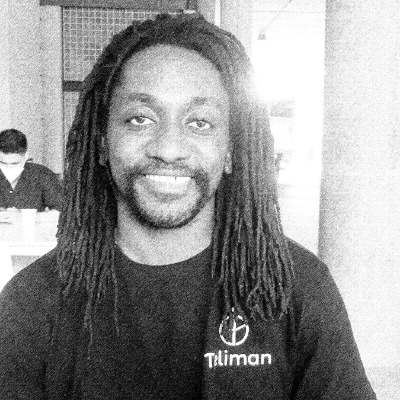
Abdoulaye Maiga is CTO and co-founder at Teliman, Mali’s first on-demand mobility startup and one of francophone Africa’s first, where he has worked since its launch in 2018. Before that, he was CTO and co-founder at French real estate startup Wemblee where he still works part-time from Mali, initially simultaneously working as a salesforce administrator and developer in chemical company SEPPIC.Maiga previously worked at Rakuten in Tokyo for one year as a research and development VR scientist and also completed a stint at Accenture in Paris as an information system consultant. He also completed short stints in engineering at BCS Group in New Zealand and in business development at EATOPS in the Netherlands. The Malian national obtained two master’s degrees in innovation economics from Universite Paris-Saclay (2017) and in computer science from Keio University in Tokyo (2015), after winning scholarships to study overseas.
CEO and co-founder of Bygen
Lewis Dunnigan is a researcher turned entrepreneur based in Australia. After earning a master’s degree in Chemical Engineering and working as a researcher at the University of Edinburgh in the UK, Dunnigan returned to Australia. He had a brief stint as a visiting researcher and earned his PhD in Chemical Engineering at the University of Adelaide.During his PhD, Dunnigan was a part of Philip Kwong’s research laboratory. His PhD project involved developing a system to generate activated charcoal and renewable energy from biomass. In 2017, Dunnigan, Kwong, and fellow PhD student Ben Morton decided to commercialize this technology and established a spin-off company called Bygen, which developed a low-cost, novel way to make activated carbon more sustainably using various forms of agricultural waste. Dunnigan is now the CEO of Bygen.

Lewis Dunnigan is a researcher turned entrepreneur based in Australia. After earning a master’s degree in Chemical Engineering and working as a researcher at the University of Edinburgh in the UK, Dunnigan returned to Australia. He had a brief stint as a visiting researcher and earned his PhD in Chemical Engineering at the University of Adelaide.During his PhD, Dunnigan was a part of Philip Kwong’s research laboratory. His PhD project involved developing a system to generate activated charcoal and renewable energy from biomass. In 2017, Dunnigan, Kwong, and fellow PhD student Ben Morton decided to commercialize this technology and established a spin-off company called Bygen, which developed a low-cost, novel way to make activated carbon more sustainably using various forms of agricultural waste. Dunnigan is now the CEO of Bygen.
CEO and co-founder of The Not Company (NotCo)
Matías Muchnick graduated among the top 10% in business administration from the University of Chile in 2011 and went on to complete a master’s in Finance in 2012. He gained some work experience in Santiago as an analyst at LarrainVial in 2010 and spent the summer working at JP Morgan in Hong Kong after his graduation in 2011.In 2012, he became an entrepreneur and founded the wellness app Chooz, a project sponsored by the Chilean government. In 2013, he co-founded Eggless, the first food company in Chile to offer vegan mayonnaise in Chilean supermarkets like Walmart and Jumbo. He exited the business in 2015 and, in the same year, joined an entrepreneurship bootcamp at the University of California, Berkley, where he approached the biochemistry department to learn more about data and science. He also completed executive programs at Harvard Business School in 2015 and at the Stanford University in 2018.In November 2015, he co-founded the Chilean foodtech Not Company (NotCo) with astrophysicist Karim Pichara, who he met in Harvard, and Pablo Zamora. Based in New York, Muchnick is the CEO of NotCo, which combines AI with food science to create plant-based products that mimic animal-based food like milk and burgers.

Matías Muchnick graduated among the top 10% in business administration from the University of Chile in 2011 and went on to complete a master’s in Finance in 2012. He gained some work experience in Santiago as an analyst at LarrainVial in 2010 and spent the summer working at JP Morgan in Hong Kong after his graduation in 2011.In 2012, he became an entrepreneur and founded the wellness app Chooz, a project sponsored by the Chilean government. In 2013, he co-founded Eggless, the first food company in Chile to offer vegan mayonnaise in Chilean supermarkets like Walmart and Jumbo. He exited the business in 2015 and, in the same year, joined an entrepreneurship bootcamp at the University of California, Berkley, where he approached the biochemistry department to learn more about data and science. He also completed executive programs at Harvard Business School in 2015 and at the Stanford University in 2018.In November 2015, he co-founded the Chilean foodtech Not Company (NotCo) with astrophysicist Karim Pichara, who he met in Harvard, and Pablo Zamora. Based in New York, Muchnick is the CEO of NotCo, which combines AI with food science to create plant-based products that mimic animal-based food like milk and burgers.
CEO and founder of Petit Pli
Ryan Mario Yasin is an engineer, designer and sustainable fashion entrepreneur based in London. Originally from Reykjavik, Iceland, Yasin graduated in aeronautical engineering at Imperial College London and has a master’s in global innovation design from the Royal College of Art. As a 23-year-old design student, Yasin founded materials technology startup Petit Pli, and developed the design for the company’s first product, a pleated garment that could expand up to seven sizes to last children through their first few years of life. Petit Pli now makes expandable pleated clothes for children and adults, using a fabric derived from recycled plastic and a structure inspired by origami, architecture and space satellites. Petit Pli products have won a number of prestigious awards, such as the UK James Dyson Award, Time Magazine’s best invention of 2020 and the Red Dot Product Design Award.Yasin has a strong interest in photography and in the interplay between art and engineering. In 2020, Yasin was included by Forbes in its 30 Under 30 list for Europe.

Ryan Mario Yasin is an engineer, designer and sustainable fashion entrepreneur based in London. Originally from Reykjavik, Iceland, Yasin graduated in aeronautical engineering at Imperial College London and has a master’s in global innovation design from the Royal College of Art. As a 23-year-old design student, Yasin founded materials technology startup Petit Pli, and developed the design for the company’s first product, a pleated garment that could expand up to seven sizes to last children through their first few years of life. Petit Pli now makes expandable pleated clothes for children and adults, using a fabric derived from recycled plastic and a structure inspired by origami, architecture and space satellites. Petit Pli products have won a number of prestigious awards, such as the UK James Dyson Award, Time Magazine’s best invention of 2020 and the Red Dot Product Design Award.Yasin has a strong interest in photography and in the interplay between art and engineering. In 2020, Yasin was included by Forbes in its 30 Under 30 list for Europe.
Co-CEO and Co-founder of Notpla (formerly Skipping Rocks Lab)
Currently based in London, French national Pierre Yves Paslier completed a master’s in materials science and engineering from INSA in Lyon in 2010. In 2012, he went on to complete a master’s in industrial and product design at the Royal College of Art in London. He also studied innovation design engineering at Imperial College.After graduating in 2014, Paslier and university alumnus Rodrigo García González co-founded Skipping Rocks Lab that was pivoted as Notpla in 2019. Both are co-CEOs of the UK-based startup that develops compostable and edible packaging material made of seaweed and other plants.Before becoming an entrepreneur, Paslier worked as a packaging engineer for L’Oréal from 2010 to 2012. He has been invited to speak at TEDx conferences in Athens and Warwick to share his experience and innovative projects in packaging and product design. In 2020, he became an industrial advisory board member at Imperial College London Dyson School of Design Engineering. In 2019, he also became a fellow of the Royal Academy of Engineering Enterprise Hub.

Currently based in London, French national Pierre Yves Paslier completed a master’s in materials science and engineering from INSA in Lyon in 2010. In 2012, he went on to complete a master’s in industrial and product design at the Royal College of Art in London. He also studied innovation design engineering at Imperial College.After graduating in 2014, Paslier and university alumnus Rodrigo García González co-founded Skipping Rocks Lab that was pivoted as Notpla in 2019. Both are co-CEOs of the UK-based startup that develops compostable and edible packaging material made of seaweed and other plants.Before becoming an entrepreneur, Paslier worked as a packaging engineer for L’Oréal from 2010 to 2012. He has been invited to speak at TEDx conferences in Athens and Warwick to share his experience and innovative projects in packaging and product design. In 2020, he became an industrial advisory board member at Imperial College London Dyson School of Design Engineering. In 2019, he also became a fellow of the Royal Academy of Engineering Enterprise Hub.
Co-CEO and Co-founder of Notpla (formerly Skipping Rocks Lab)
Rodrigo García González graduated in Architecture at the Technical University of Madrid (ETSAM) in 2009 and also completed various PhD courses in advanced architecture at his alma mater.In 2006, the architect student joined an EU Asia-Link sustainable humane habitat program that included stints at the Centre for Environmental Planning and Technology (CEPT) University in India. He also won a SMILE scholarship to study industrial design at Pontificia Universidad Católica in Chile for one year. In 2011, he obtained a scholarship to study industrial design and business at Umeå Institute of Design in Sweden. In 2014, he completed two master’s programs in innovation design engineering run by London’s Imperial College and Royal College of Art.In July 2014, he co-founded Skipping Rocks Lab, that was later pivoted into Notpla, a UK-based startup that develops compostable and edible packaging materials made of seaweed and other plants.Since 2007, he has worked with various institutions in Europe, Latin America and the US including Cornell University, CEPT, Imperial College and Royal College of Art. In 2016, he became a senior lecturer for a degree program in product and furniture design at Kingston University.He has two patents for his work on structural and deployable systems. His designs have also been featured in prestigious art centers like the Cite de l'Architecture of Paris and the Venice Biennale of Architecture.Other projects include the Hop! suitcase that can follow the user by tracking the signal of the user’s mobile phone and Aer, an artificial cloud that can evaporate “drinkable” water from the sea. He also developed Zipizip, an architectural system that enables the construction of several floors of a building in a few hours.

Rodrigo García González graduated in Architecture at the Technical University of Madrid (ETSAM) in 2009 and also completed various PhD courses in advanced architecture at his alma mater.In 2006, the architect student joined an EU Asia-Link sustainable humane habitat program that included stints at the Centre for Environmental Planning and Technology (CEPT) University in India. He also won a SMILE scholarship to study industrial design at Pontificia Universidad Católica in Chile for one year. In 2011, he obtained a scholarship to study industrial design and business at Umeå Institute of Design in Sweden. In 2014, he completed two master’s programs in innovation design engineering run by London’s Imperial College and Royal College of Art.In July 2014, he co-founded Skipping Rocks Lab, that was later pivoted into Notpla, a UK-based startup that develops compostable and edible packaging materials made of seaweed and other plants.Since 2007, he has worked with various institutions in Europe, Latin America and the US including Cornell University, CEPT, Imperial College and Royal College of Art. In 2016, he became a senior lecturer for a degree program in product and furniture design at Kingston University.He has two patents for his work on structural and deployable systems. His designs have also been featured in prestigious art centers like the Cite de l'Architecture of Paris and the Venice Biennale of Architecture.Other projects include the Hop! suitcase that can follow the user by tracking the signal of the user’s mobile phone and Aer, an artificial cloud that can evaporate “drinkable” water from the sea. He also developed Zipizip, an architectural system that enables the construction of several floors of a building in a few hours.
CFO and co-founder of Scoobic Urban Mobility
José Enrique Díaz Buzón graduated in law at the University of Seville in 1999. He has a qualification in EU law, and a master’s in business consultancy. In 2005, he also studied labor relations at IE Business School in Madrid.In 1999, Díaz began practicing as a lawyer, specializing in commercial and corporate law and business consultancy. In 2016, he became the CFO, business development manager and co-founder of Scoobic Urban Mobility. The Spanish mobility startup and the co-founding team’s Passion Motorbike Factory aim to provide three-wheeled EVs and sustainable last-mile delivery solutions.

José Enrique Díaz Buzón graduated in law at the University of Seville in 1999. He has a qualification in EU law, and a master’s in business consultancy. In 2005, he also studied labor relations at IE Business School in Madrid.In 1999, Díaz began practicing as a lawyer, specializing in commercial and corporate law and business consultancy. In 2016, he became the CFO, business development manager and co-founder of Scoobic Urban Mobility. The Spanish mobility startup and the co-founding team’s Passion Motorbike Factory aim to provide three-wheeled EVs and sustainable last-mile delivery solutions.
Amidst a flurry of funding from overseas, local players urge a review of startup ownership rules in Indonesia


Gradana: P2P lending for more accessible home ownership in Indonesia
Gradana wants to create an ecosystem where developers, agents, landlords, buyers and lenders benefit one another through interconnected financing
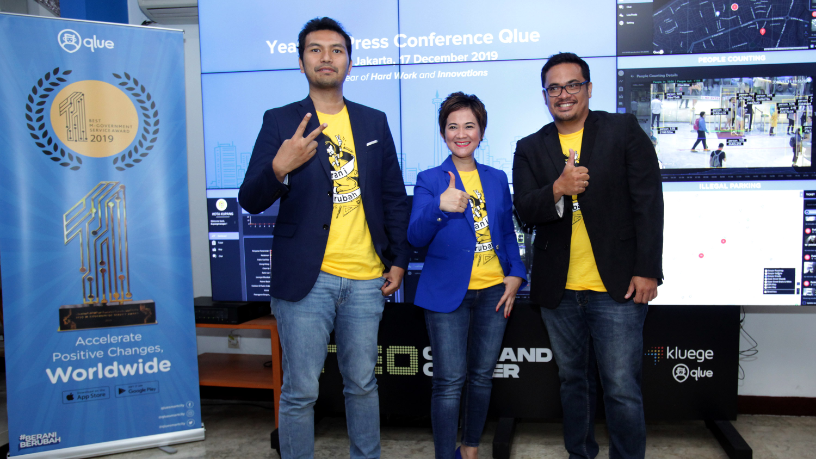
EXCLUSIVE: Qlue raising Series B funding, "confident" of turning profitable in 2020
Qlue is also targeting more enterprise clients as it expands overseas and improved accountability and management practices
East Ventures raises funds, teams up with state agency to produce Covid-19 tests for Indonesia
East Ventures investee Nusantics has been working with state researchers to produce the prototype; expects mass production of the test kits soon
CrowdDana: Taking the equity crowdfunding hype into the real estate sector
Beginning with boarding house projects, CrowdDana's new business model aims to more efficiently connect Indonesian SMEs needing funding with a growing pool of investors

Fish trading startup Aruna thrives despite Covid-19 with a pivot to domestic sales
Having brought forward its domestic expansion by one year, Aruna wants to use its recent funding to further boost market expansion, develop the tech for product traceability and an intelligent supply chain

Chic by Choice: From Forbes' 30 Under 30 to insolvency
Lack of cashflow was the main reason for the demise of Chic by Choice, Europe's leading luxury dress rental e-store

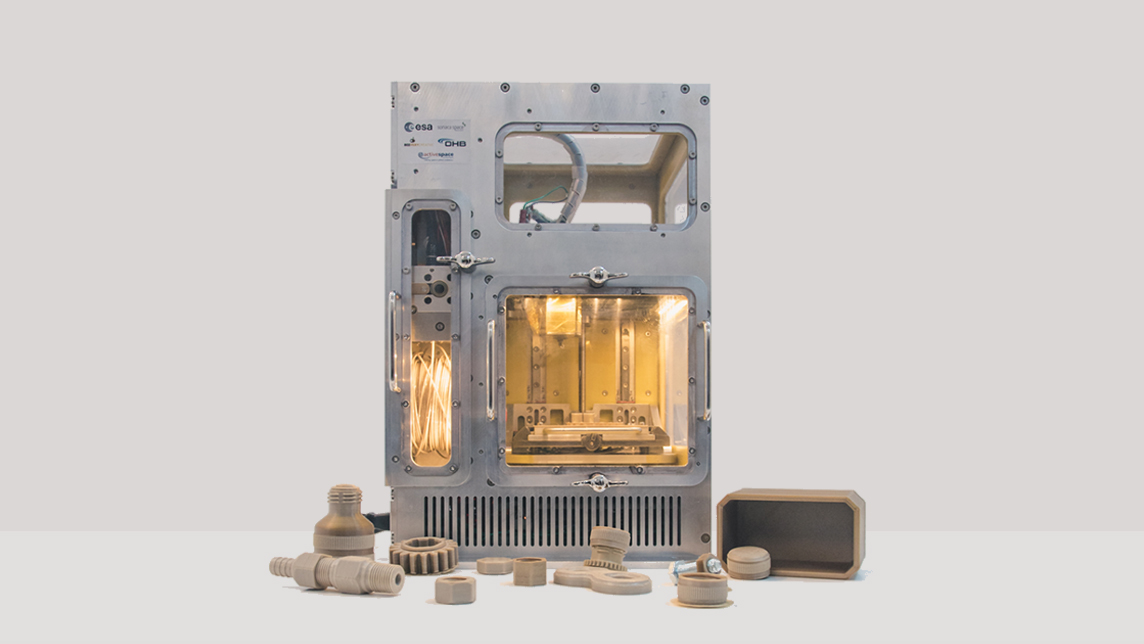
BEEVERYCREATIVE: Taking 3D printing from classrooms into Outer Space
Innovative 3D printing for daily use from a picturesque fishing village in Portugal.
Spain's gig and sharing economy startups flourish, despite barrage of restrictions
Startups like Glovo and Spotahome topped fundings raised in 2018 despite local regulatory risks, as Spanish tech firms conquer overseas markets

Alberto Gómez, Spain's blockchain evangelist
Alberto Gómez Toribio has been pioneering blockchain technology in Spain since 2013. He convinced the Bank of Spain to authorize capital raising with cryptocurrency and built the world's first decentralized Bitcoin exchange

Catalonia: Spain's fast-rising robotics hub and next opportunity
With the robotics sector on the rise in Catalonia, expect to see more growth ahead, driving opportunities in related segments, especially services

Spanish startups protest the lack of relevant aid, compared with other EU countries; investors warn of “disastrous” new foreign investment restriction

Delectatech: "Food data" proves its value in Spain's Covid-hit F&B industry
Delectatech deploys AI, NLP and big data to help restaurants and food suppliers optimize business information, decisions and operations

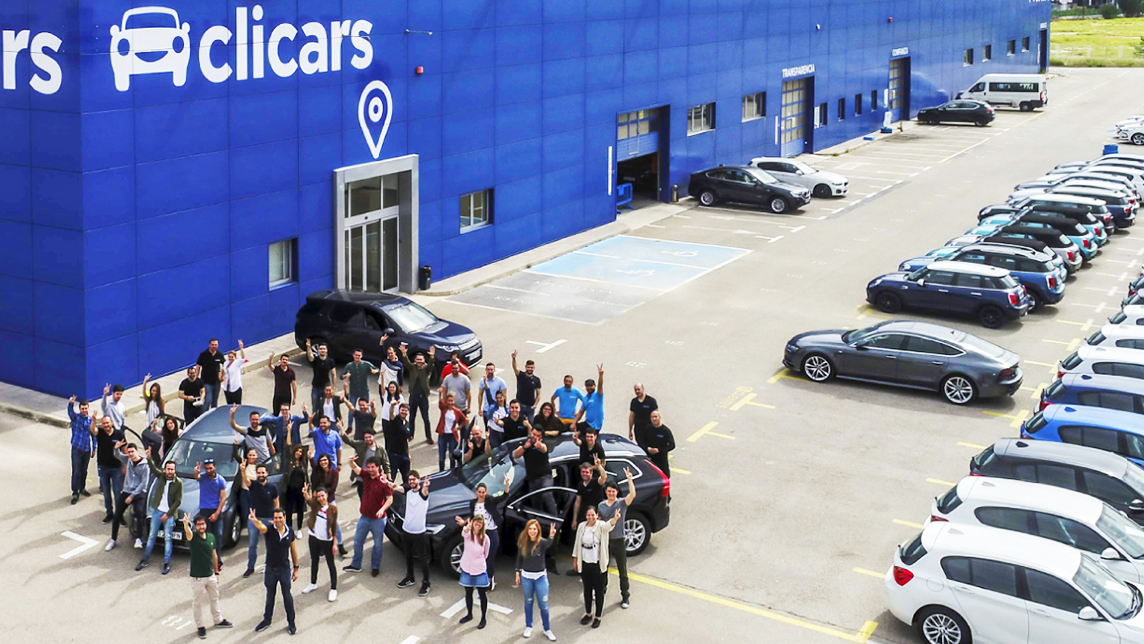
Clicars: Bringing certainty to buying a used car
Spanish online used car dealer aims to sell 10,000 vehicles by 2021 via its unique sales offer that has booked it €50 million in sales since 2016
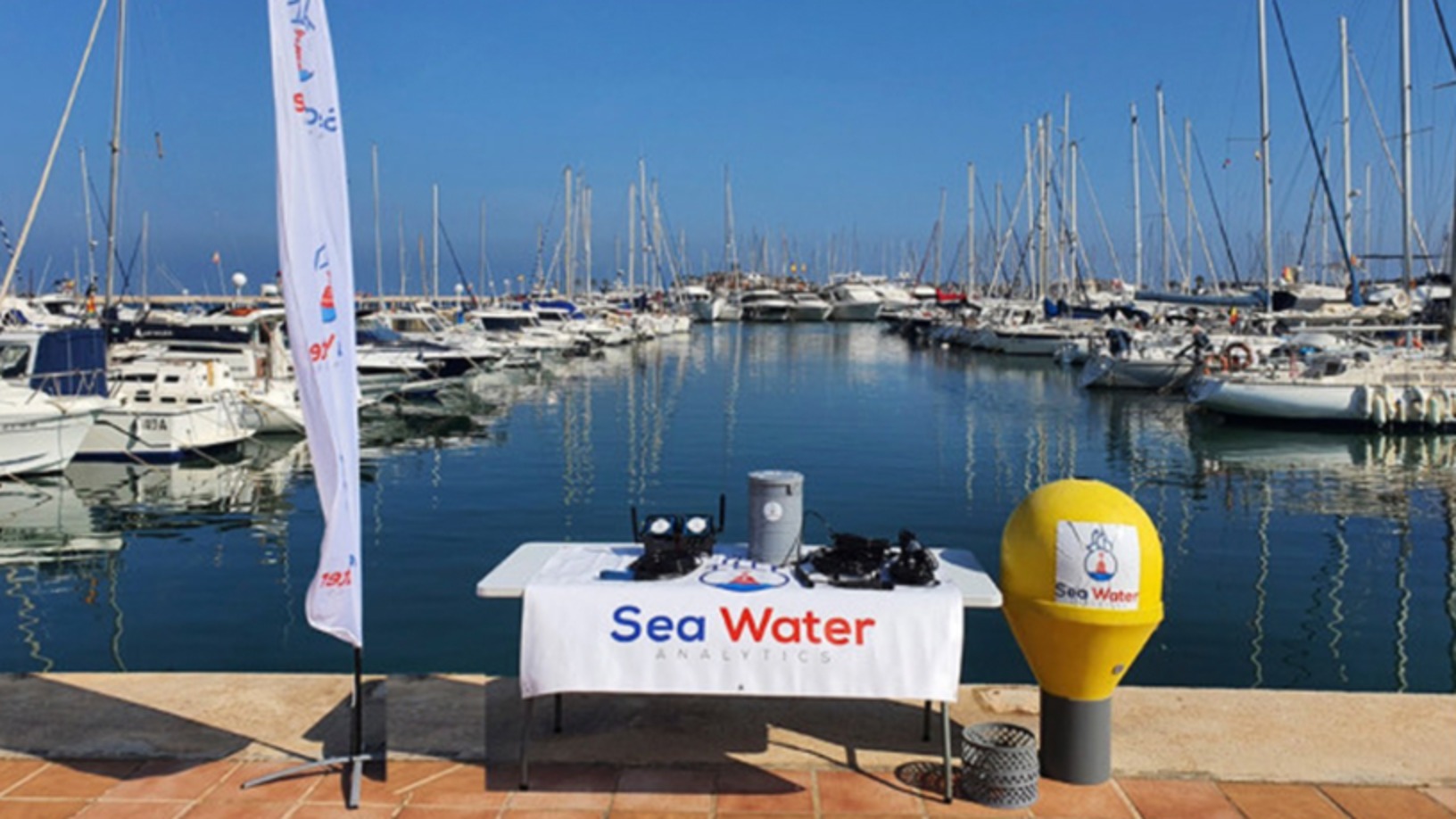
How Sea Water Analytics is using IoT to help keep beaches safe in Covid-19 era
Sea Water Analytics checks water quality, overcrowding, even jelly fish threats in Spanish beaches
- 1
- 2
Sorry, we couldn’t find any matches for “Sinar Mas”.