Startup with IBM
-
DATABASE (1885)
-
ARTICLES (812)
Founded in 2012, BAIC Capital is the investment arm of China's state-owned carmaker, BAIC Group. Headquartered in Beijing, it has branches in six cities across China and has two subsidiaries in Frankfurt and Silicon Valley. It currently manages over 40 funds, worth RMB 30bn. With a focus on connected cars and mobility services, it has invested in more than 100 companies including EV manufacturer BAIC BJEV, battery manufacturer and technology company CATL and ride-hailing giant Didi Chuxing.


Founded in 2012, BAIC Capital is the investment arm of China's state-owned carmaker, BAIC Group. Headquartered in Beijing, it has branches in six cities across China and has two subsidiaries in Frankfurt and Silicon Valley. It currently manages over 40 funds, worth RMB 30bn. With a focus on connected cars and mobility services, it has invested in more than 100 companies including EV manufacturer BAIC BJEV, battery manufacturer and technology company CATL and ride-hailing giant Didi Chuxing.
BRI Ventures is the corporate VC arm of Indonesian state-owned bank BRI. It was established in 2019 and brought in Nicko Widjaja, who previously worked for MDI Ventures (another state-owned CVC linked to Telkom) as their CEO. They have a stake in the state-linked e-wallet company LinkAja as well as bill aggregator service AyoPop. Their investment activities began in earnest in 2020, with their participation in TaniGroup's Series A+ and Investree's Series C rounds.
BRI Ventures is the corporate VC arm of Indonesian state-owned bank BRI. It was established in 2019 and brought in Nicko Widjaja, who previously worked for MDI Ventures (another state-owned CVC linked to Telkom) as their CEO. They have a stake in the state-linked e-wallet company LinkAja as well as bill aggregator service AyoPop. Their investment activities began in earnest in 2020, with their participation in TaniGroup's Series A+ and Investree's Series C rounds.
The state-backed, Shanghai-based media and entertainment investment group controlled by media mogul Li Ruigang has made its name and fortune in China's most lucrative industries: media & entertainment, Internet & mobile, sport & lifestyle. CMC's portfolio includes Star China, IMAX China, Flagship Entertainment, Oriental DreamWorks, TVB, Whaley Technologies, Imagine Entertainment, Shaw Brothers, Caixin, Gewara, and more. Li, who started out as a lifestyle TV reporter, set up CMC in 2009 with a RMB 2 billion fund.

The state-backed, Shanghai-based media and entertainment investment group controlled by media mogul Li Ruigang has made its name and fortune in China's most lucrative industries: media & entertainment, Internet & mobile, sport & lifestyle. CMC's portfolio includes Star China, IMAX China, Flagship Entertainment, Oriental DreamWorks, TVB, Whaley Technologies, Imagine Entertainment, Shaw Brothers, Caixin, Gewara, and more. Li, who started out as a lifestyle TV reporter, set up CMC in 2009 with a RMB 2 billion fund.
Green Pine Capital Partners was founded in Shenzhen 1997. The firm has over RMB 16 billion of assets under management. It has invested mainly in biopharmaceuticals, healthcare, new energy, new materials, advanced manufacturing and AI. The company has invested in more than 300 companies, about 60 of which have already gone public or been merged/acquired. Early-stage tech startups account for half of its portfolio.It is headquartered in Shenzhen, with branches in Beijing, Shanghai and Guangzhou.

Green Pine Capital Partners was founded in Shenzhen 1997. The firm has over RMB 16 billion of assets under management. It has invested mainly in biopharmaceuticals, healthcare, new energy, new materials, advanced manufacturing and AI. The company has invested in more than 300 companies, about 60 of which have already gone public or been merged/acquired. Early-stage tech startups account for half of its portfolio.It is headquartered in Shenzhen, with branches in Beijing, Shanghai and Guangzhou.
Founded in 2004 by Liu Qiangdong (Richard Liu) with about 30 staff, JD.com (JD stands for Jingdong) has grown to become Alibaba's biggest rival and is backed by Tencent. Similar to Amazon, the NASDAQ-listed JD.com builds and controls its own distribution/logistics network, giving it an advantage in a country used to poor package delivery services. It is an investor in Indonesian ride-hailing company Gojek, and also operates an Indonesian version of its e-commerce platform, JD.id.

Founded in 2004 by Liu Qiangdong (Richard Liu) with about 30 staff, JD.com (JD stands for Jingdong) has grown to become Alibaba's biggest rival and is backed by Tencent. Similar to Amazon, the NASDAQ-listed JD.com builds and controls its own distribution/logistics network, giving it an advantage in a country used to poor package delivery services. It is an investor in Indonesian ride-hailing company Gojek, and also operates an Indonesian version of its e-commerce platform, JD.id.
E²JDJ was founded in New Orleans in 2020 with an agtech and foodtech focus, including in the areas of cellular agriculture and synthetic biology. It has six startups in its portfolio and makes diverse investments. Its most recent disclosed investment was in the $4.7m July 2021 seed funding round of NovoNutrients, the US-based biotech producer of alt-protein from fermentation using CO2 and other emissions.

E²JDJ was founded in New Orleans in 2020 with an agtech and foodtech focus, including in the areas of cellular agriculture and synthetic biology. It has six startups in its portfolio and makes diverse investments. Its most recent disclosed investment was in the $4.7m July 2021 seed funding round of NovoNutrients, the US-based biotech producer of alt-protein from fermentation using CO2 and other emissions.
Stanford Graduate School of Business
Launched in 2015, the Stanford GSB Impact Fund invests globally in innovators and tech startups whether connected with the university or not and within the area of social impact in seven market segments: education, energy and the environment, fintech, food and agriculture, justice, healthcare, and urban development. The university-owned fund invests from the pre-seed to Series A rounds and makes investments mostly from January to April. It currently has 11 startups in its portfolio.

Launched in 2015, the Stanford GSB Impact Fund invests globally in innovators and tech startups whether connected with the university or not and within the area of social impact in seven market segments: education, energy and the environment, fintech, food and agriculture, justice, healthcare, and urban development. The university-owned fund invests from the pre-seed to Series A rounds and makes investments mostly from January to April. It currently has 11 startups in its portfolio.
Co-founder of Jide Technology (Remix)
Stanford-educated Chau joined Google in 2000 as its 103rd staff, and was the first engineer on AdWords, RPC, Google Talk, among other projects, with expertise in Android development. He left Google in 2008 and became an angel investor. Among the companies in his portfolio, most failed except Lightinthebox.com, which went public on NYSE in 2013. Chau holds a BS in Electrical Engineering from Hong Kong University of Science & Technology; and an MS in Electrical Engineering from Stanford University.

Stanford-educated Chau joined Google in 2000 as its 103rd staff, and was the first engineer on AdWords, RPC, Google Talk, among other projects, with expertise in Android development. He left Google in 2008 and became an angel investor. Among the companies in his portfolio, most failed except Lightinthebox.com, which went public on NYSE in 2013. Chau holds a BS in Electrical Engineering from Hong Kong University of Science & Technology; and an MS in Electrical Engineering from Stanford University.
Co-founder and CTO of Kerjabilitas
Tety Sianipar believes that technology can be used to solve social issues. Armed with a degree in Information Technology, she worked briefly as a game developer before moving to an international NGO. In 2014, she co-founded Saujana, a social enterprise focusing on disability issues and environmental conservation. Tety is also the CTO of Saujana that developed a job search platform for disabled people that was launched as Kerjabilitas a year later.

Tety Sianipar believes that technology can be used to solve social issues. Armed with a degree in Information Technology, she worked briefly as a game developer before moving to an international NGO. In 2014, she co-founded Saujana, a social enterprise focusing on disability issues and environmental conservation. Tety is also the CTO of Saujana that developed a job search platform for disabled people that was launched as Kerjabilitas a year later.
Co-founder and ex-CTO of Pricebook
Ryoji Mori graduated in International Law from the University of Tokyo in Japan, but ended up as a highly skilled coder and web developer. After a brief stint in Singapore as a director of Application Development at Japan Internet Technologies Pte Ltd, he began to work freelance as a web developer. In 2013, he co-founded the price comparison website Pricebook with a university friend Tomonori Tsuji. However, Ryoji worked as CTO at Pricebook for only six months before leaving in December 2013.

Ryoji Mori graduated in International Law from the University of Tokyo in Japan, but ended up as a highly skilled coder and web developer. After a brief stint in Singapore as a director of Application Development at Japan Internet Technologies Pte Ltd, he began to work freelance as a web developer. In 2013, he co-founded the price comparison website Pricebook with a university friend Tomonori Tsuji. However, Ryoji worked as CTO at Pricebook for only six months before leaving in December 2013.
Co-founder of Chic by Choice
Based in Lisbon, Filipa Neto graduated in Economics at the Catholic University of Portugal in 2012. She co-founded her first business with college friend Lara Vidreiro at the age of 21. They went on to establish Chic by Choice in 2014 and were listed in Forbes 30 Under 30 Europe 2018: Retail and E-commerce. In December 2017, Neto also started working for Farfetch as a principal innovation specialist and mentor for its accelerator program Dream Assembly.

Based in Lisbon, Filipa Neto graduated in Economics at the Catholic University of Portugal in 2012. She co-founded her first business with college friend Lara Vidreiro at the age of 21. They went on to establish Chic by Choice in 2014 and were listed in Forbes 30 Under 30 Europe 2018: Retail and E-commerce. In December 2017, Neto also started working for Farfetch as a principal innovation specialist and mentor for its accelerator program Dream Assembly.
Founder and Board Chairman of Panda iMedia
Leading media commentator and former Sina Weibo key man Shen Chen is a sociology graduate from Soochow University, and holds an MBA from the Capital University of Economics and Business. Previously at China Mobile and China Telecom, Shen, however, is better known for being part of the team at Sina Weibo who took the company public. With proceeds from his stock options, Shen founded Panda iMedia. Today, some 200 of his colleagues at Panda iMedia were also from Sina.

Leading media commentator and former Sina Weibo key man Shen Chen is a sociology graduate from Soochow University, and holds an MBA from the Capital University of Economics and Business. Previously at China Mobile and China Telecom, Shen, however, is better known for being part of the team at Sina Weibo who took the company public. With proceeds from his stock options, Shen founded Panda iMedia. Today, some 200 of his colleagues at Panda iMedia were also from Sina.
Co-founder of BlackGarlic
Angelo Syailendra is a veteran in business analysis and investment. After earning a bachelor’s in Industrial Engineering with summa cum laude from the University of Michigan in USA, he went to Stanford University to read a master’s in Economics and Finance. He worked as an analyst and associate in companies such as Morgan Stanley and Affinity Equity Partners. He also helped to establish foodtech startups Klik-Eat and BlackGarlic. Angelo is currently a director at a data centre company DCI Indonesia.

Angelo Syailendra is a veteran in business analysis and investment. After earning a bachelor’s in Industrial Engineering with summa cum laude from the University of Michigan in USA, he went to Stanford University to read a master’s in Economics and Finance. He worked as an analyst and associate in companies such as Morgan Stanley and Affinity Equity Partners. He also helped to establish foodtech startups Klik-Eat and BlackGarlic. Angelo is currently a director at a data centre company DCI Indonesia.
Co-founder and CEO of Dekoruma
Dimas Harry Priawan made the switch from engineering to work at e-commerce solutions firm aCommerce when he returned to Indonesia, after pursuing a master’s in Environmental and Energy Management at the University of Twente in the Netherlands.The Electrical and Electronic Engineering graduate from Singapore’s Nanyang Technological University had also previously worked as a device engineer for ST Microelectronics. He is now CEO of Dekoruma which he co-founded with fellow NTU graduate Aruna Harsa.

Dimas Harry Priawan made the switch from engineering to work at e-commerce solutions firm aCommerce when he returned to Indonesia, after pursuing a master’s in Environmental and Energy Management at the University of Twente in the Netherlands.The Electrical and Electronic Engineering graduate from Singapore’s Nanyang Technological University had also previously worked as a device engineer for ST Microelectronics. He is now CEO of Dekoruma which he co-founded with fellow NTU graduate Aruna Harsa.
Co-founder and CEO of Qlue
Rama Raditya graduated with a master’s in Management Information Systems in 2005 from Strayer University, USA. He returned to Indonesia and joined PwC as an IT auditor for a year. He then worked at Bank Danamon as an IT auditor and advisor before moving on to Ernst & Young. In 2013, he founded TerralogiQ, which later launched Qlue as part of Jakarta’s Smart City initiative. Rama became the CEO of PT Qlue Performa Indonesia when Qlue was incorporated as a standalone company.

Rama Raditya graduated with a master’s in Management Information Systems in 2005 from Strayer University, USA. He returned to Indonesia and joined PwC as an IT auditor for a year. He then worked at Bank Danamon as an IT auditor and advisor before moving on to Ernst & Young. In 2013, he founded TerralogiQ, which later launched Qlue as part of Jakarta’s Smart City initiative. Rama became the CEO of PT Qlue Performa Indonesia when Qlue was incorporated as a standalone company.
FIWARE Accelerator: More open source ecosystem than accelerator
The European open source initiative to boost smart infrastructures and solutions is calling for new participants to join its unique acceleration ecosystem

HEMAV: World’s leading drone services company for agriculture
Now a global leader known for its industry-targeted software, HEMAV has expanded to 15 countries, working with utilities, farms and public bodies

After insurtech and fintech, Newralers applies AI to winemaking
Newralers expects strong demand for its disruptive AI solutions that test the cognitive value of information, with clients from listed companies to SMEs

DefinedCrowd: Helping companies mine, structure highly accurate data in AI applications
The Portuguese startup's quality-controlling smart data platform is driving its exponential growth and major partnerships with the likes of IBM's Watson Studio and Amazon

Therapixel: Using AI to improve breast cancer detection
Therapixel is raising €15m for commercial expansion of its AI-powered MammoScreen that gives accurate breast cancer screening results within minutes

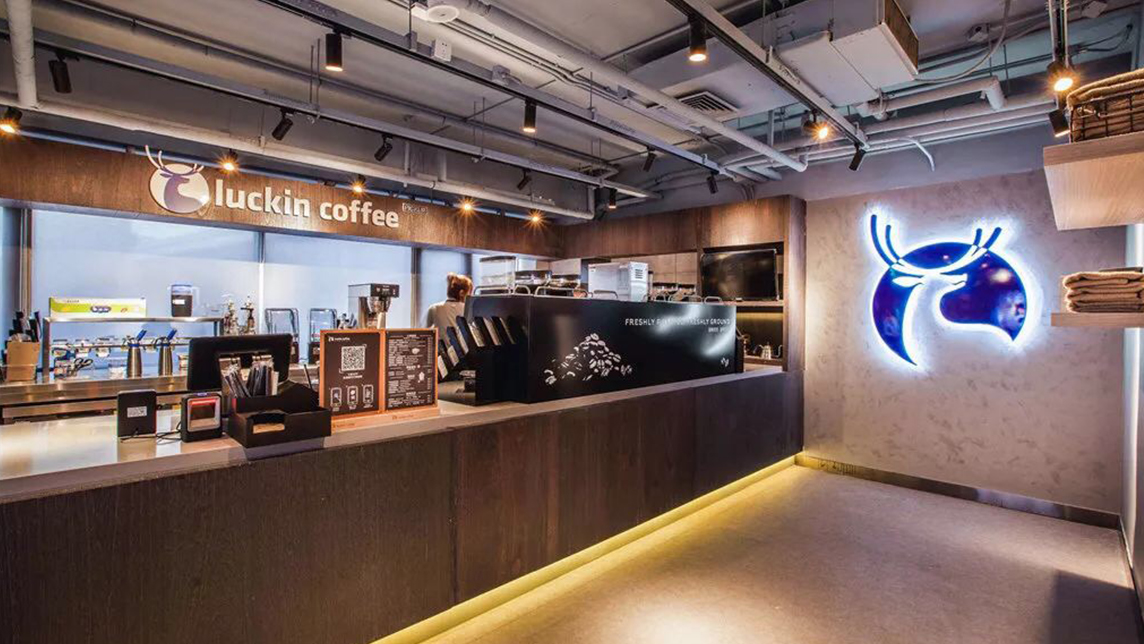
This Chinese café startup aims to best Starbucks with “new retail” strategy
Luckin Coffee has gone from scratch to China’s first coffee shop unicorn in less than a year, pouring more than 5 million cups of coffee along the way
Waste management startup Magalarva aims for profitability with new factory, B2B services
Partnerships with supermarkets and waste transporters provide Magalarva with new revenue streams and sources of production input as the company ramps up its manufacturing activities

Sheetgo: Easy and secure cloud-powered spreadsheet data at your fingertips
Named Most Scalable Product at South Summit 2018, Sheetgo turns spreadsheets into data clouds for business users around the world

Gago Inc: Satellite data agritech startup ramps up growth with financial sector solutions
Founded by former NASA scientists, Gago began as a data solution to improve China’s traditionally low-yielding and inefficient smallholder-based farming sector

Billin offers unlimited free e-invoicing services to SMEs and freelancers
Offering automated online invoice generating, sharing, tracking and payments, the Spanish fintech wants to become the billing Dropbox for businesses worldwide

Fish trading startup Aruna thrives despite Covid-19 with a pivot to domestic sales
Having brought forward its domestic expansion by one year, Aruna wants to use its recent funding to further boost market expansion, develop the tech for product traceability and an intelligent supply chain

Farmer Connect: Blockchain powered platform tracing coffee beans from field to cup
Farmer Connect’s platform enables consumers to trace the origin, quality and ethical footprint of a product by just scanning a QR code

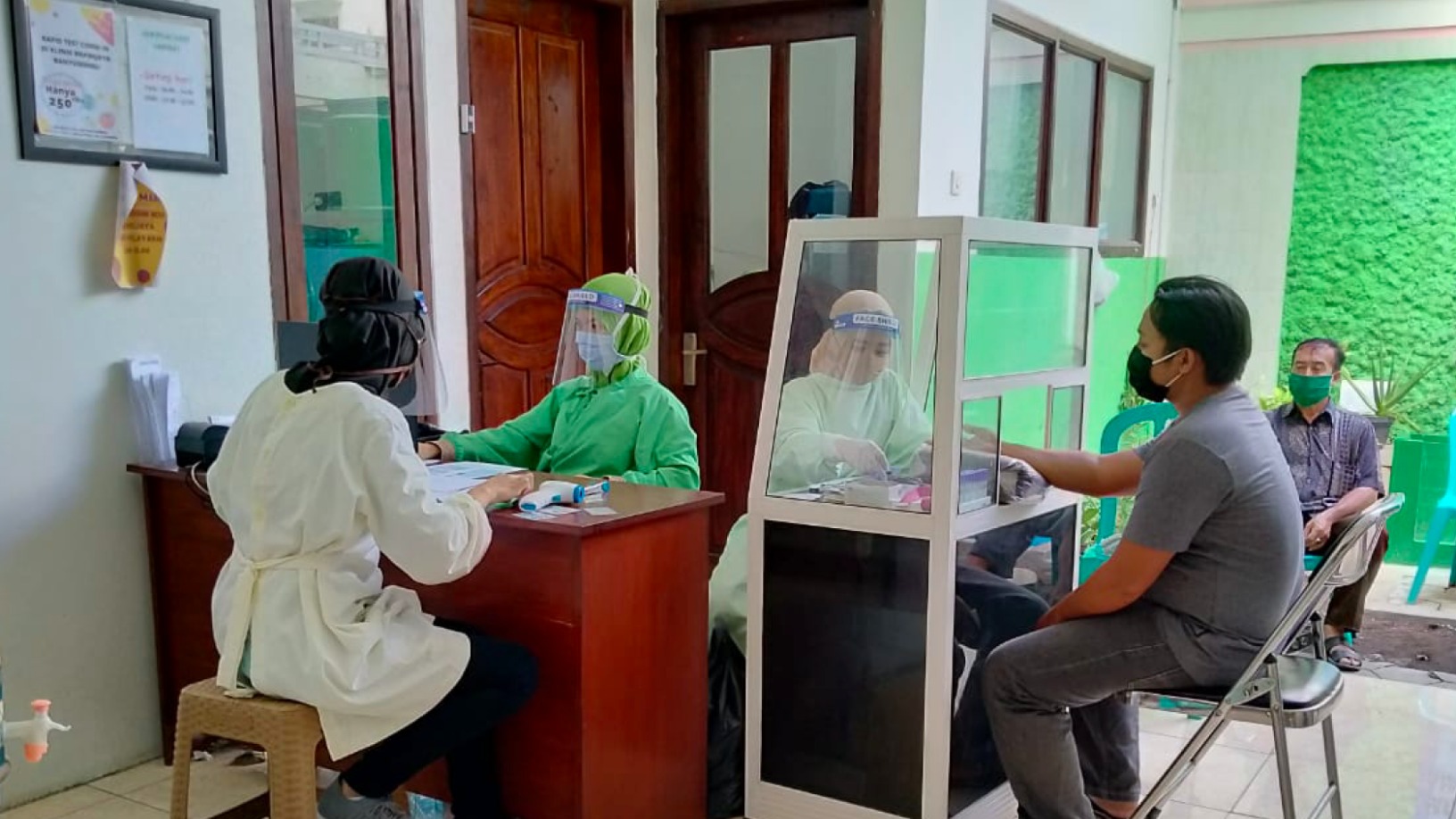
With a new focus on smart clinics, healthcare SaaS startup Medigo offers Covid-19 testing
A pivot to revenue-sharing and partnerships to provide Covid-19 testing has given Medigo a fighting chance, with a new funding round on the cards
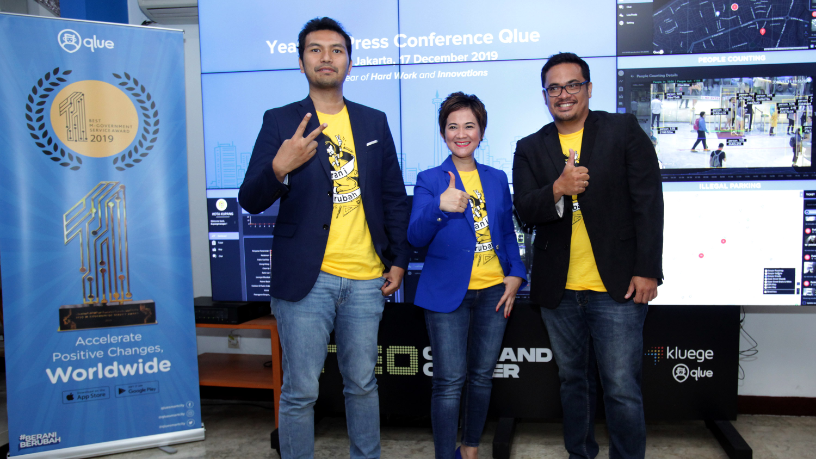
EXCLUSIVE: Qlue raising Series B funding, "confident" of turning profitable in 2020
Qlue is also targeting more enterprise clients as it expands overseas and improved accountability and management practices
Delectatech: "Food data" proves its value in Spain's Covid-hit F&B industry
Delectatech deploys AI, NLP and big data to help restaurants and food suppliers optimize business information, decisions and operations

Sorry, we couldn’t find any matches for “Startup with IBM”.