startup ecosystem
-
DATABASE (610)
-
ARTICLES (714)
Co-CEO, co-founder of Psquared
Argentinian native Nicolas Araujo Müller is co-CEO and co-founder at Psquared, Spain’s first flexible workplace management and design company for hybrid workspaces. He has worked there since its foundation in April 2018, originally as part of startup hub CoBuilder, and is now its CFO. He is also a part-time advisor and investor at startup development agency We Are Grit, since its launch in 2020.Earlier, Araujo was CFO and co-founder at digital talent agency Bandit, for two years, until 2017. Before that, he held the same roles at his previous Barcelona-based startup, Nubelo, another tech recruitment agency for freelancers, between 2012 and 2016, when it was acquired by Freelancer.com. In 2016, Araujo was a visiting professor at the Autonomous University of Barcelona on digital economy.His first startup was Work At Home in Argentina, where he was a co-founder for two years from 2011–13, for which he won local innovation prizes. Prior to this, Araujo held various management consultancy roles, working in business analysis and research at Ernst & Young, Standard & Poor’s and Accenture, from 2008–2012, and completed a stint at the US embassy in Buenos Aires. He is also a founding member of Argentina’s entrepreneur organization, ASEA, established in 2013. Araujo holds a degree in economics from CEMA University, Buenos Aires and a qualification from Harvard University in negotiation. In 2017 and 2013, Araujo was named in Forbes Argentina’s 30 Promesas list of young entrepreneurs.

Argentinian native Nicolas Araujo Müller is co-CEO and co-founder at Psquared, Spain’s first flexible workplace management and design company for hybrid workspaces. He has worked there since its foundation in April 2018, originally as part of startup hub CoBuilder, and is now its CFO. He is also a part-time advisor and investor at startup development agency We Are Grit, since its launch in 2020.Earlier, Araujo was CFO and co-founder at digital talent agency Bandit, for two years, until 2017. Before that, he held the same roles at his previous Barcelona-based startup, Nubelo, another tech recruitment agency for freelancers, between 2012 and 2016, when it was acquired by Freelancer.com. In 2016, Araujo was a visiting professor at the Autonomous University of Barcelona on digital economy.His first startup was Work At Home in Argentina, where he was a co-founder for two years from 2011–13, for which he won local innovation prizes. Prior to this, Araujo held various management consultancy roles, working in business analysis and research at Ernst & Young, Standard & Poor’s and Accenture, from 2008–2012, and completed a stint at the US embassy in Buenos Aires. He is also a founding member of Argentina’s entrepreneur organization, ASEA, established in 2013. Araujo holds a degree in economics from CEMA University, Buenos Aires and a qualification from Harvard University in negotiation. In 2017 and 2013, Araujo was named in Forbes Argentina’s 30 Promesas list of young entrepreneurs.
Founder and CEO of Hole19
Marketing specialist Anthony Douglas have held various positions at BMW, Sony Electronics, Tim w.e. Mexico, Zuvinova and ActualSales. In 2011, he left his work as Business Manager for iPhone Applications at ActualSales to start his golfing startup, Hole19. Douglas has a Portuguese mother and an American father.
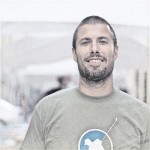
Marketing specialist Anthony Douglas have held various positions at BMW, Sony Electronics, Tim w.e. Mexico, Zuvinova and ActualSales. In 2011, he left his work as Business Manager for iPhone Applications at ActualSales to start his golfing startup, Hole19. Douglas has a Portuguese mother and an American father.
Founder and CEO of Joyowo (Jinyouwang)
A serial entrepreneur since 2009, Guo Wei graduated from the Central University of Finance and Economics and founded Jinyuan Group, the company behind HR services and social insurance management SaaS startup Joyowo, in 2014.He is currently the CEO of Jinyuan Group and Joyowo.

A serial entrepreneur since 2009, Guo Wei graduated from the Central University of Finance and Economics and founded Jinyuan Group, the company behind HR services and social insurance management SaaS startup Joyowo, in 2014.He is currently the CEO of Jinyuan Group and Joyowo.
Co-founder and CTO of Jala
Hanry Ario is a skilled programmer armed with a diverse skillset, from C++ to AutoCAD. In 2014, he graduated from Universitas Gadjah Mada in Indonesia and joined fellow alumni to establish electronics startup Atnic. Hanry is the CTO of Atnic that created the Jala sensor for shrimp farms.

Hanry Ario is a skilled programmer armed with a diverse skillset, from C++ to AutoCAD. In 2014, he graduated from Universitas Gadjah Mada in Indonesia and joined fellow alumni to establish electronics startup Atnic. Hanry is the CTO of Atnic that created the Jala sensor for shrimp farms.
Co-founder and CEO of Nodeflux
Meidy Fitranto is an experienced business analyst and manager with an industrial engineering background. Between 2010 and 2014, he filled supply chain management roles at two oil & gas companies, PT Energi Mega Persada and Kangean Energy Indonesia Ltd. In 2016, he established Nodeflux, a computer vision startup.

Meidy Fitranto is an experienced business analyst and manager with an industrial engineering background. Between 2010 and 2014, he filled supply chain management roles at two oil & gas companies, PT Energi Mega Persada and Kangean Energy Indonesia Ltd. In 2016, he established Nodeflux, a computer vision startup.
Founder and CEO of Pawoon
University of Melbourne graduate Ahmad Gadi worked as an analyst at contract manufacturer Malidas Sterilindo and Kraft Foods in Indonesia before establishing PT Alphanovation Digital Teknindo in 2013. The software consultancy catered to clients from FMCG to aviation industries and also became the launchpad for POS startup Pawoon in 2014.

University of Melbourne graduate Ahmad Gadi worked as an analyst at contract manufacturer Malidas Sterilindo and Kraft Foods in Indonesia before establishing PT Alphanovation Digital Teknindo in 2013. The software consultancy catered to clients from FMCG to aviation industries and also became the launchpad for POS startup Pawoon in 2014.
Co-founder and CMO of Pakde
Maria Octavyani Manao graduated from Universitas Indonesia with a bachelor's degree in Psychology in 2012. She had interned at Unilever's human resources and upon graduation, joined one of its companies, Nestle. Maria left Nestle in 2014, working at other companies before establishing logistics service startup Pakde in 2017.

Maria Octavyani Manao graduated from Universitas Indonesia with a bachelor's degree in Psychology in 2012. She had interned at Unilever's human resources and upon graduation, joined one of its companies, Nestle. Maria left Nestle in 2014, working at other companies before establishing logistics service startup Pakde in 2017.
Co-founder and CTO of PrivyID
Guritno Adi Saputra graduated from Institut Sains & Teknologi AKPRIND, Indonesia with a bachelor's in Information Technology. Between 2013 and 2015, he was a web developer at Yogyakarta technology consultancy firm IndonesiaJogja Info Service and INDigital. Guritno is co-founder and CTO of digital signature startup PrivyID.

Guritno Adi Saputra graduated from Institut Sains & Teknologi AKPRIND, Indonesia with a bachelor's in Information Technology. Between 2013 and 2015, he was a web developer at Yogyakarta technology consultancy firm IndonesiaJogja Info Service and INDigital. Guritno is co-founder and CTO of digital signature startup PrivyID.
Founded in 2015, M25 is an early-stage VC based in Chicago, investing solely in companies headquartered in the US Midwest across tech sectors, almost exclusively at seed stage. It currently has 77 companies in its portfolio and has managed eight exits to date. Its most recent investments include in gaming monetization app Metafy’s $3m seed round in December 2020 and in the $2.7m seed round of mobile online store creation app CASHDROP in August 2020. It invests from $100,000 at the idea stage through to $25m per startup.Im sorry but I dont see that investing in 15 different sectors is actually a focus that is why I put General. it´s mosre like what sectors do they not invest in?


Founded in 2015, M25 is an early-stage VC based in Chicago, investing solely in companies headquartered in the US Midwest across tech sectors, almost exclusively at seed stage. It currently has 77 companies in its portfolio and has managed eight exits to date. Its most recent investments include in gaming monetization app Metafy’s $3m seed round in December 2020 and in the $2.7m seed round of mobile online store creation app CASHDROP in August 2020. It invests from $100,000 at the idea stage through to $25m per startup.Im sorry but I dont see that investing in 15 different sectors is actually a focus that is why I put General. it´s mosre like what sectors do they not invest in?
TRATON is a subsidiary of Volkswagen Group and one of the world’s largest producer of commercial vehicles. It manufactures light-duty commercial vehicles, trucks and buses at 29 production and assembly sites in 17 countries.The company is now focusing on developing electric trucks and announced in March 2021 that it will invest a total of €1.6bn in e-mobility R&D by 2025. In September 2020, it partnered with self-driving trucking startup TuSimple to mass produce driverless trucks.In March 2021, Navistar stockholders approved the acquisition of Navistar by TRATON. Subject to regulatory approvals, the transaction is expected to be completed by mid-May.

TRATON is a subsidiary of Volkswagen Group and one of the world’s largest producer of commercial vehicles. It manufactures light-duty commercial vehicles, trucks and buses at 29 production and assembly sites in 17 countries.The company is now focusing on developing electric trucks and announced in March 2021 that it will invest a total of €1.6bn in e-mobility R&D by 2025. In September 2020, it partnered with self-driving trucking startup TuSimple to mass produce driverless trucks.In March 2021, Navistar stockholders approved the acquisition of Navistar by TRATON. Subject to regulatory approvals, the transaction is expected to be completed by mid-May.
Founded in Silicon Valley by serial investor and founder of Google Ventures Bill Marris, Section 32 has multiple investment interests with medicine and biotech key amongst them. Marris himself has invested in over 500 companies, with over one-third resulting in IPO or M&A. Fifty of his portfolio companies have exceeded $1bn valuations, including Uber. Section 32 currently has 48 companies in its portfolio. Its most recent investments have included in Canadian remote medicine platform Cover Health’s $43m Series B round and in the $100m Series B round of US cancer detection software C2i Genomics, both in April 2021. In March 2021, it participated in the $48m Series A round of Dutch cell-based meat startup Meatable which leverages pluripotent stem cells for the first time in foodtech.

Founded in Silicon Valley by serial investor and founder of Google Ventures Bill Marris, Section 32 has multiple investment interests with medicine and biotech key amongst them. Marris himself has invested in over 500 companies, with over one-third resulting in IPO or M&A. Fifty of his portfolio companies have exceeded $1bn valuations, including Uber. Section 32 currently has 48 companies in its portfolio. Its most recent investments have included in Canadian remote medicine platform Cover Health’s $43m Series B round and in the $100m Series B round of US cancer detection software C2i Genomics, both in April 2021. In March 2021, it participated in the $48m Series A round of Dutch cell-based meat startup Meatable which leverages pluripotent stem cells for the first time in foodtech.
New Energy Nexus is a US-based investor and startup support organization that focuses on the clean energy sector. The company was originally known as the California Clean Energy Fund (CalCEF) and has invested in SolarCentury and Tesla Motors. Since 2015, New Energy Nexus has been working with international partners like GIZ (the German agency for international development) and IKEA Foundation to promote renewables and smart energy worldwide. In 2018, New Energy Nexus launched its Southeast Asian operations by establishing offices in Indonesia and Thailand.New Energy Nexus supports startups through incubator and accelerator programs, hackathons, public talks, grants and equity investments. So far, it has invested in four Indonesian startups, including B2B rooftop solar service provider Xurya and solar equipment marketplace BLUE, and distributed nearly $50,000 in grants.

New Energy Nexus is a US-based investor and startup support organization that focuses on the clean energy sector. The company was originally known as the California Clean Energy Fund (CalCEF) and has invested in SolarCentury and Tesla Motors. Since 2015, New Energy Nexus has been working with international partners like GIZ (the German agency for international development) and IKEA Foundation to promote renewables and smart energy worldwide. In 2018, New Energy Nexus launched its Southeast Asian operations by establishing offices in Indonesia and Thailand.New Energy Nexus supports startups through incubator and accelerator programs, hackathons, public talks, grants and equity investments. So far, it has invested in four Indonesian startups, including B2B rooftop solar service provider Xurya and solar equipment marketplace BLUE, and distributed nearly $50,000 in grants.
Co-founder of Meatable
Mark Kotter is the Austrian co-founder at Dutch cell-based meat startup Meatable, the first to use pluripotent stem cells and claim a highly scalable culture technology, which was developed by Kotter prior to founding the startup in 2018. He is also founder at his biotech startup, bit.bio, which is based in Cambridge, UK, since 2016, where he applies his cellular technological innovation to human stem cell research and has raised investments totaling $42m. His main full-time position is at the University of Cambridge, where he has worked since 2009. He has spent more than five years as a clinician-scientist in stem cell research and was previously a lecturer in neurosurgery. Kotter also lectures at Paris Descartes University and is a team leader at the UK’s National Institute for Health Research’s Brain Injury MedTech Co-operative. He also founded Myelopathy.org to raise awareness of cervical myelopathy. His past positions were as a research group leader at the Max Planck Institute for Experimental Medicine for one year, and for two years spent at the Medical University of Vienna. Kotter holds two doctorates; one in philosophy from the University of Cambridge and the other in medicine from the University of Graz in Austria. Kotter also holds a master’s in philosophy from the University of Cambridge.

Mark Kotter is the Austrian co-founder at Dutch cell-based meat startup Meatable, the first to use pluripotent stem cells and claim a highly scalable culture technology, which was developed by Kotter prior to founding the startup in 2018. He is also founder at his biotech startup, bit.bio, which is based in Cambridge, UK, since 2016, where he applies his cellular technological innovation to human stem cell research and has raised investments totaling $42m. His main full-time position is at the University of Cambridge, where he has worked since 2009. He has spent more than five years as a clinician-scientist in stem cell research and was previously a lecturer in neurosurgery. Kotter also lectures at Paris Descartes University and is a team leader at the UK’s National Institute for Health Research’s Brain Injury MedTech Co-operative. He also founded Myelopathy.org to raise awareness of cervical myelopathy. His past positions were as a research group leader at the Max Planck Institute for Experimental Medicine for one year, and for two years spent at the Medical University of Vienna. Kotter holds two doctorates; one in philosophy from the University of Cambridge and the other in medicine from the University of Graz in Austria. Kotter also holds a master’s in philosophy from the University of Cambridge.
CEO, founder of TherapyChat
Alessandro De Sario is CEO and founder of mental health startup TherapyChat, Spain’s number one online psychotherapy platform founded in 2016. He also works for TherapyChat’s investor, the Spanish VC and startup developer Next Chance Group, on other startups in their portfolio, such as the discount aggregator app Billionhands.Prior to starting TherapyChat, De Sario spent just over three years working in different food delivery entities associated with German VC and startup incubator Rocket Internet. He oversaw the development and launch of Rocket Internet’s food delivery operations in Latin America before these entities were sold to JustEat and Delivery Hero. He was also Head of Logistics at La Nevera Roja in Spain, which was later acquired by Delivery Hero. Before these roles, De Sario spent two years in investment banking and mergers and acquisitions at HSBC in London.De Sario holds three master’s degrees: one in management from ESCP Business School; one in science from City University, London; and one in business administration from the University of Turin, Italy. He lectures part-time on International Food and Beverage Management at ESCP Business School in Turin, Italy.

Alessandro De Sario is CEO and founder of mental health startup TherapyChat, Spain’s number one online psychotherapy platform founded in 2016. He also works for TherapyChat’s investor, the Spanish VC and startup developer Next Chance Group, on other startups in their portfolio, such as the discount aggregator app Billionhands.Prior to starting TherapyChat, De Sario spent just over three years working in different food delivery entities associated with German VC and startup incubator Rocket Internet. He oversaw the development and launch of Rocket Internet’s food delivery operations in Latin America before these entities were sold to JustEat and Delivery Hero. He was also Head of Logistics at La Nevera Roja in Spain, which was later acquired by Delivery Hero. Before these roles, De Sario spent two years in investment banking and mergers and acquisitions at HSBC in London.De Sario holds three master’s degrees: one in management from ESCP Business School; one in science from City University, London; and one in business administration from the University of Turin, Italy. He lectures part-time on International Food and Beverage Management at ESCP Business School in Turin, Italy.
Founder and CEO of 6renyou
Former vice-president at flight/hotel search engine site Kuxun, following a five-year career at Chinese internet security giant Qihoo 360. 6renyou has been nicknamed “the fastest online travel startup to raise capital”.

Former vice-president at flight/hotel search engine site Kuxun, following a five-year career at Chinese internet security giant Qihoo 360. 6renyou has been nicknamed “the fastest online travel startup to raise capital”.
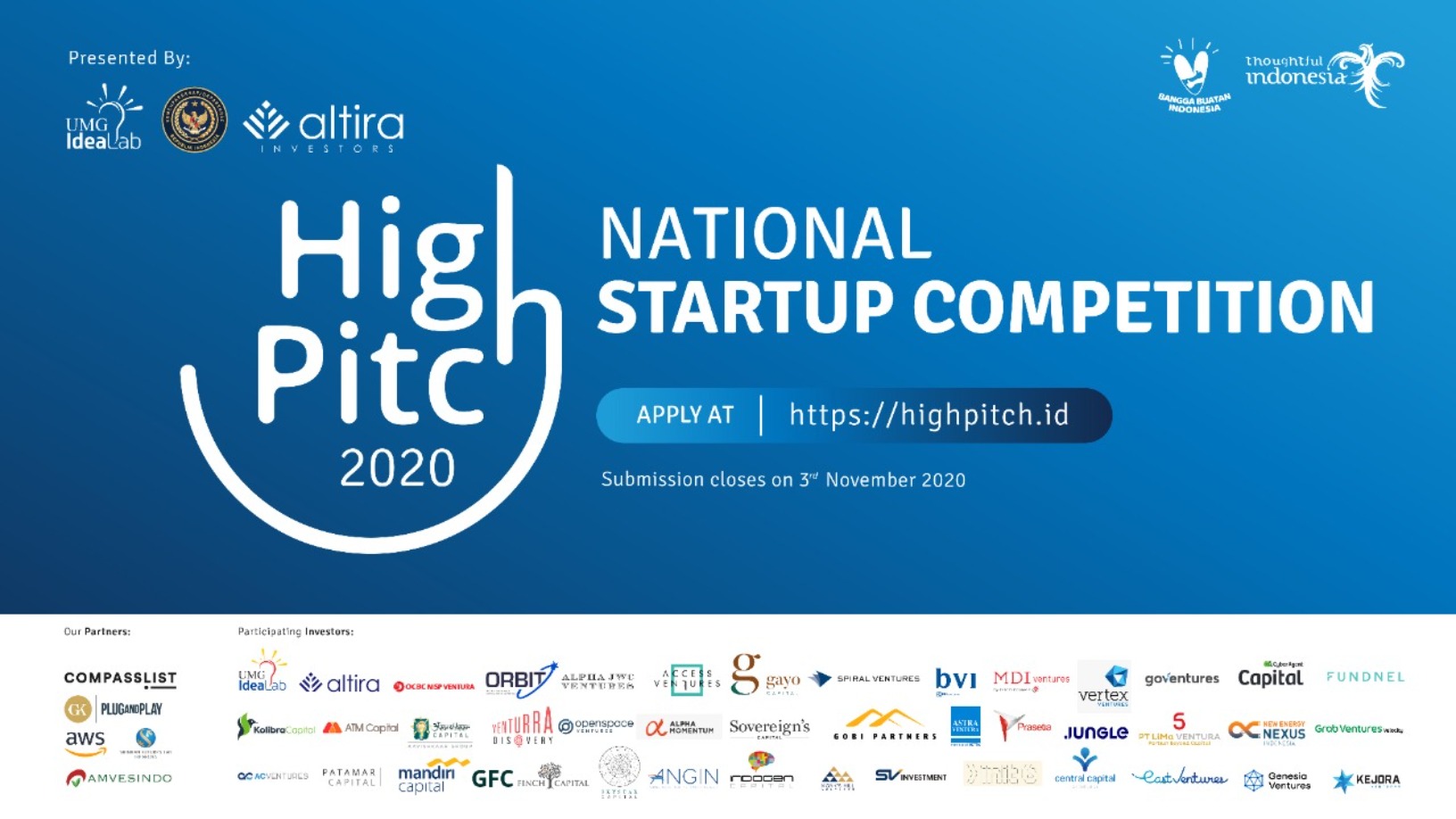
Indonesia launches national pitch competition HighPitch 2020 to re-energize its startup ecosystem
With 43 VC investors so far joining as judges and mentors, HighPitch 2020 aims to reconnect investors with young startups across the country amid Covid-19
Spain’s 100% renewable energy goal: How its startup ecosystem is rising to the challenge
Energy majors and public entities are backing renewable energy startups in the country's bet on the Green Economy

Portugal pumps up to €60m into new initiatives to avert backslide in startup ecosystem
Government funding to ensure the strategically important and social impact startups don't fail, post-Covid

Spanish startups protest the lack of relevant aid, compared with other EU countries; investors warn of “disastrous” new foreign investment restriction

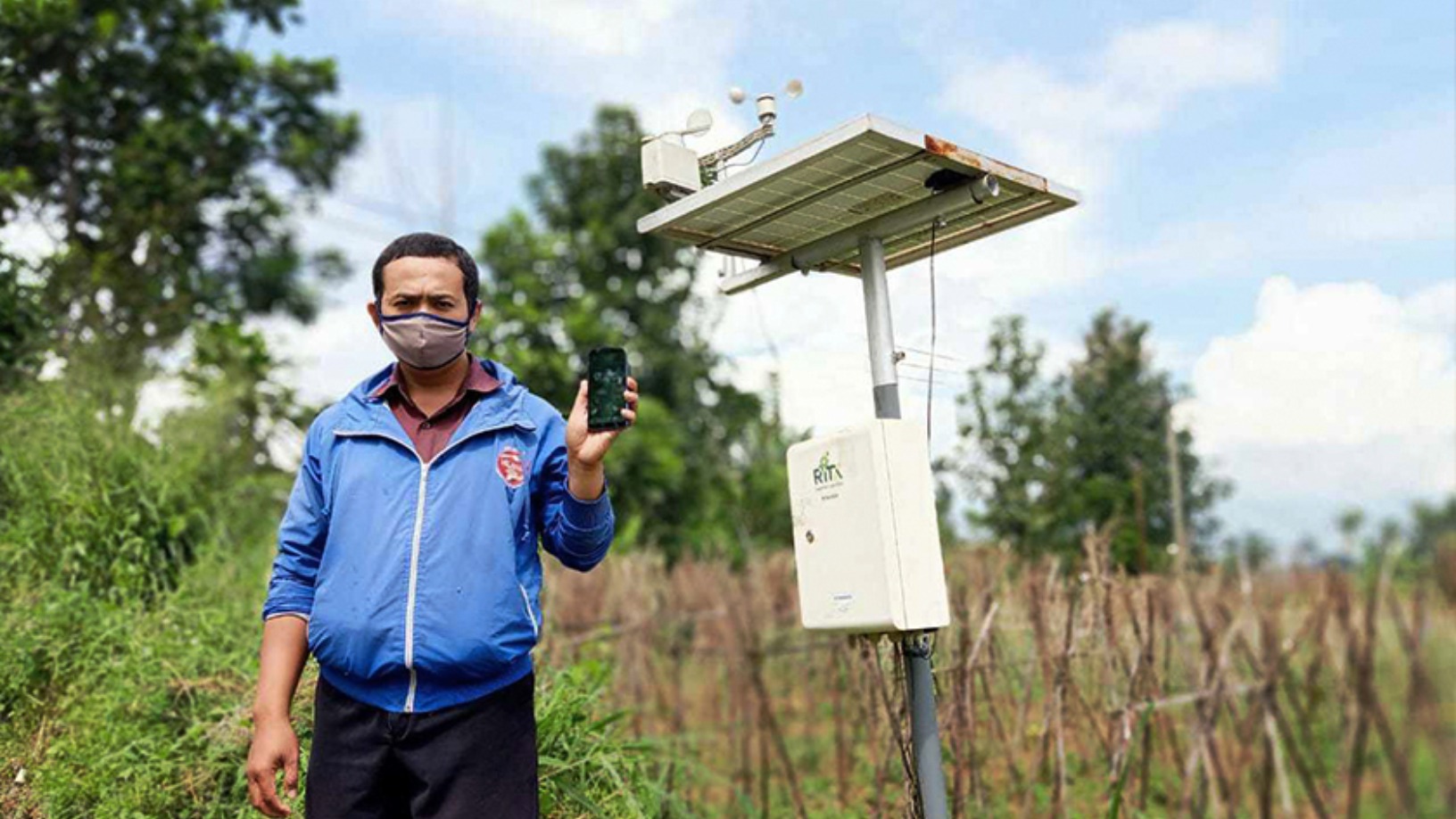
MSMB: From university research to agritech ecosystem
The Indonesian startup is moving beyond sensors to build technologies for livestock tracking and fish farming
FIWARE Accelerator: More open source ecosystem than accelerator
The European open source initiative to boost smart infrastructures and solutions is calling for new participants to join its unique acceleration ecosystem
Harnessing its innovative startups, Portugal builds a better cleantech ecosystem
With help from government and private-sector initiatives, Portuguese cleantech startups are playing an ever-increasing role in helping the country meet its energy challenges while cutting harmful greenhouse gases

Pushed by Covid-19, Landing.Jobs repositions itself as IT talent ecosystem
The Portuguese tech jobs portal is pivoting into global talent hub with Future.Works, providing AI-driven recruitment services, training and career management for IT professionals
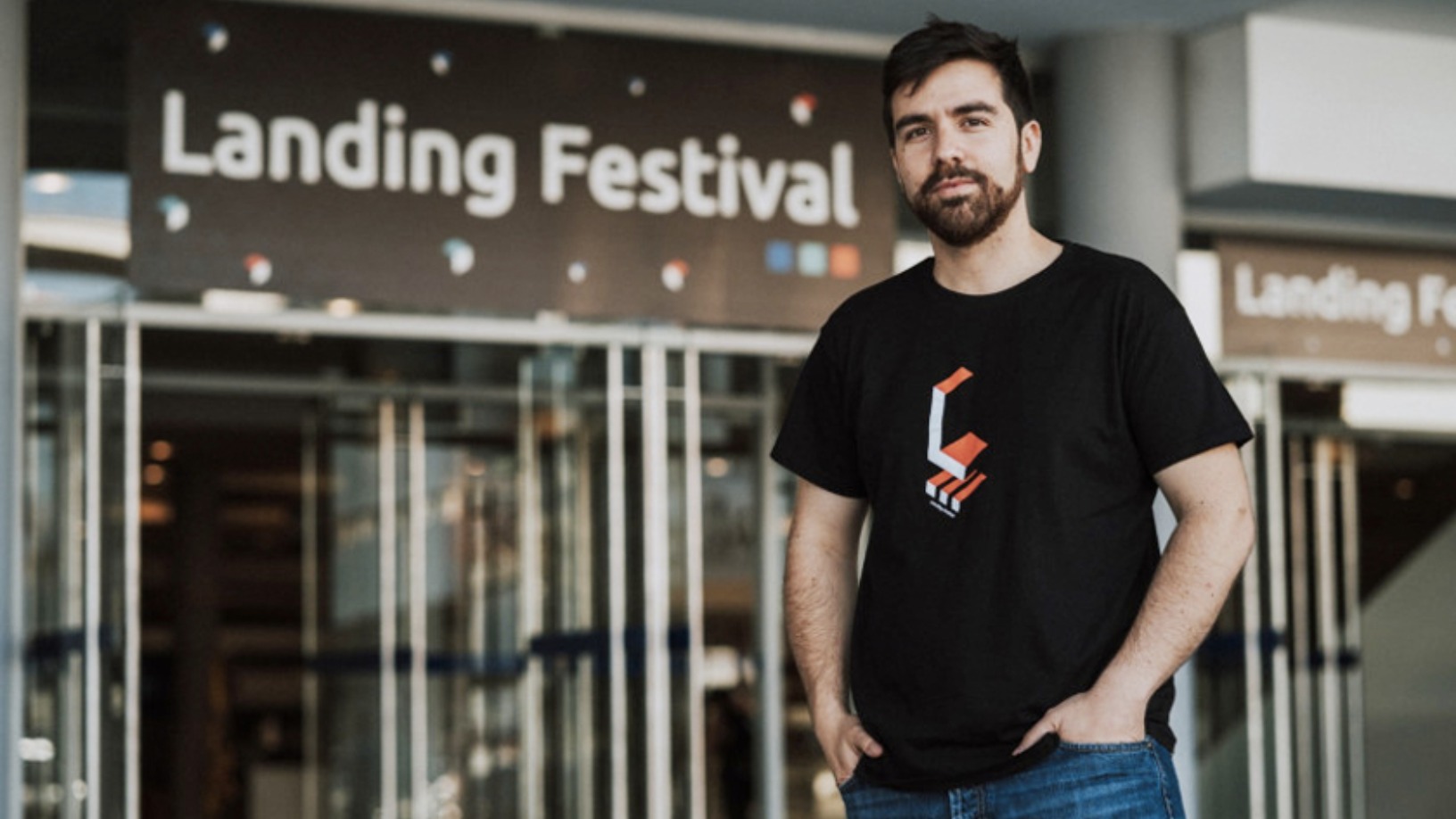
Impact investing: Spanish startups with a cause and the ecosystem backing them
As more thought and money go into socially and environmentally responsible projects, Spanish entrepreneurs, investors and big businesses are following suit

Portugal oceantech II: Single-minded efforts to build an ecosystem of international reference
With dedicated accelerators and investment programs, supported by the EU’s vote of confidence, Portugal appears on track to lead in oceantech

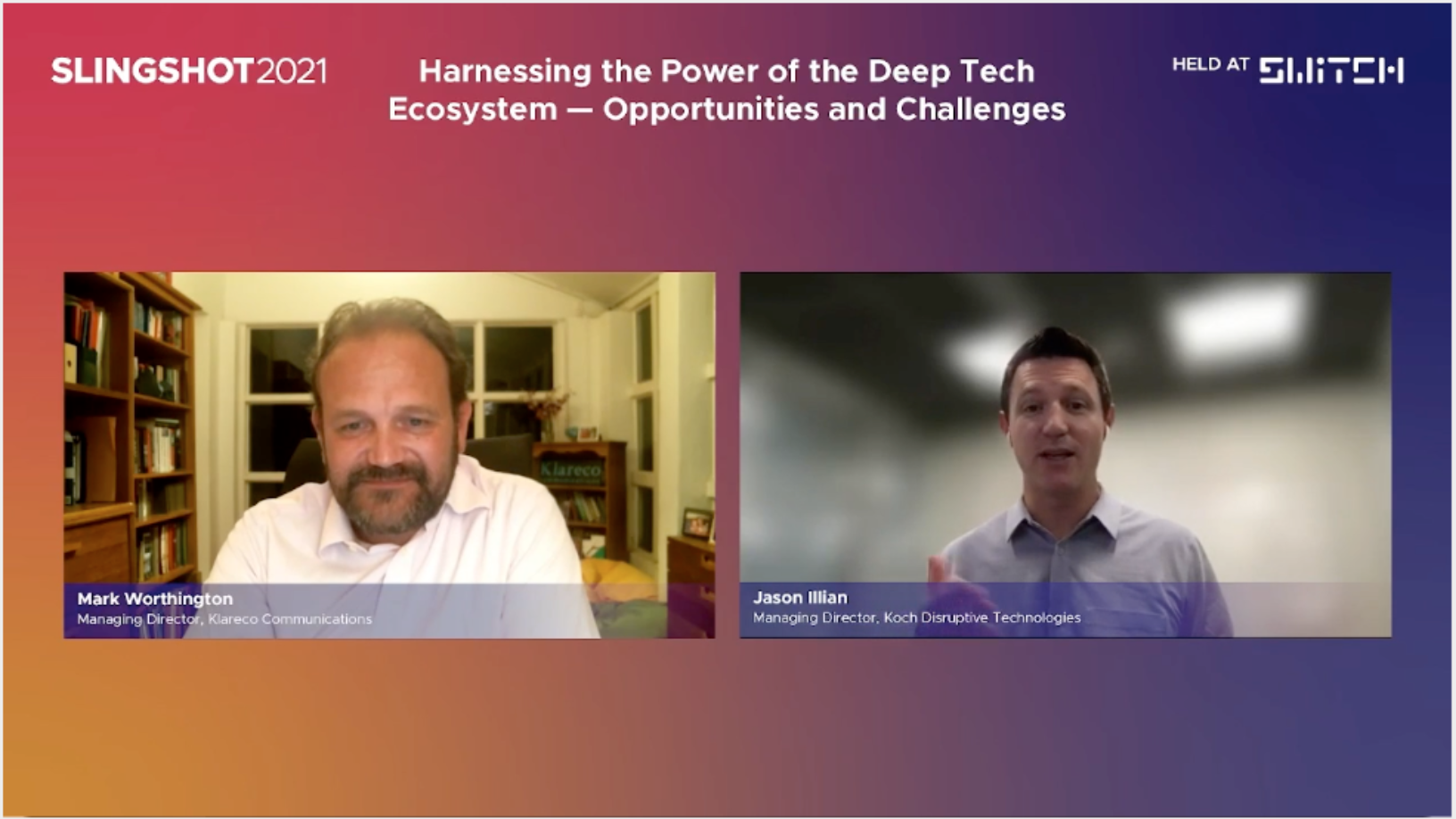
SWITCH Singapore 2021: How to harness the power of the deep tech ecosystem
Investor Jason Illian of Koch Disruptive Technologies talks talent, scaling for deep tech startups, and why longer gestation periods and mid-course pivots don’t have to be deal breakers
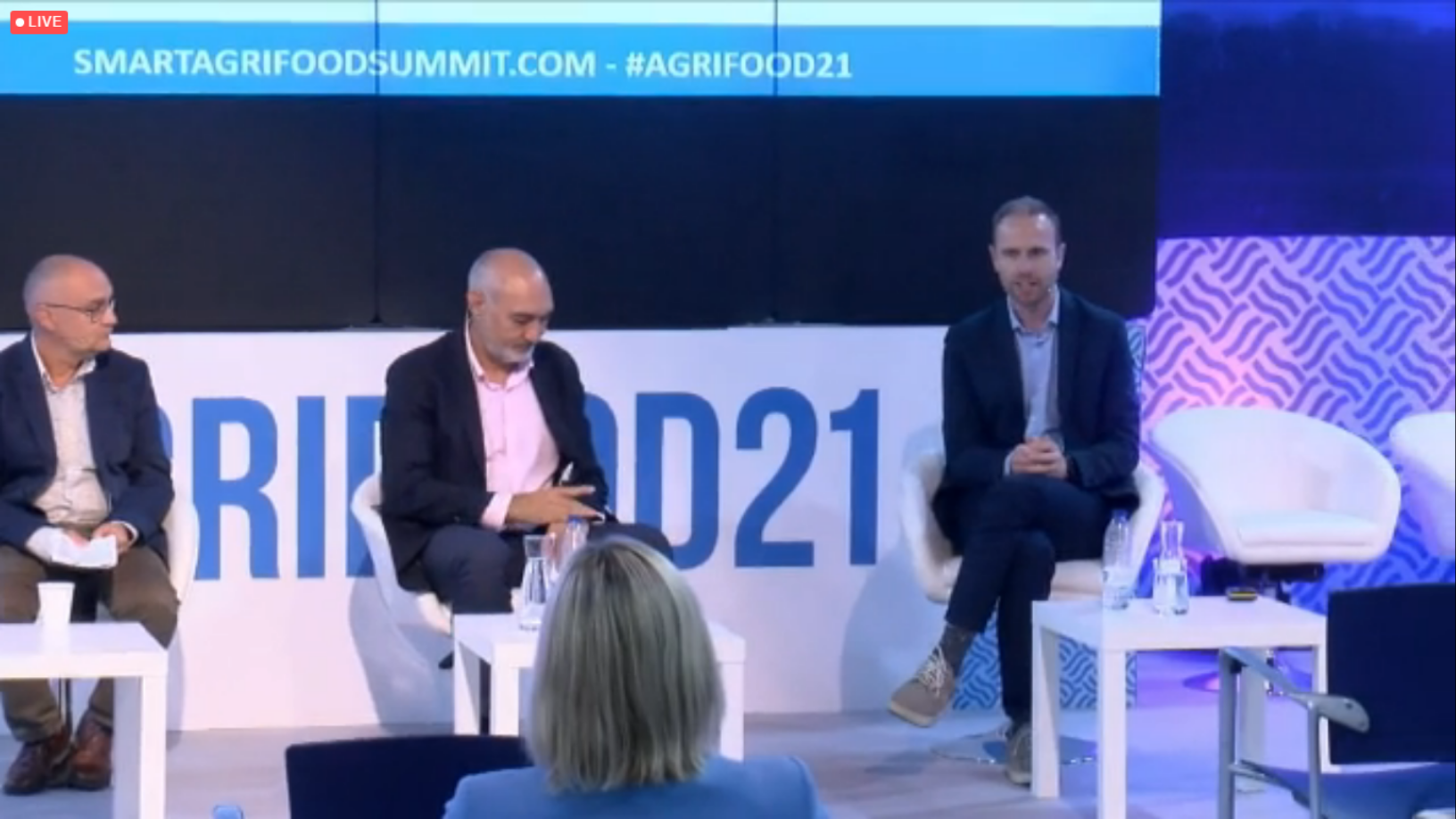
Smart Agrifood Summit 2021: A global innovation ecosystem is needed to catch up with other sectors
Investors from SVG Ventures/THRIVE, Pinduoduo and others agree that players must join forces to boost agrifood tech investment, internationally and across the value chain
In depth: The business ecosystems China’s tech giants and unicorns build
Startups could accept to join Alibaba, Tencent or other tech giants in their ecosystems and scale quickly. Or they could say no and keep their independence. But do they really have a choice?

Startup shutdown: Some takeaways from BlackGarlic’s demise
Meal subscription service BlackGarlic shut down in July, blaming the high costs of customer acquisition and retention. Here’s a look at why the Blue Apron copy couldn't satisfy the Indonesian market’s palate

Indonesia agritech startup HARA goes on the blockchain
What began as a way to help farmers make data-driven decisions has unexpectedly expanded into blockchain. How does HARA plan to use this technology to improve outcomes in agriculture?

Sorry, we couldn’t find any matches for “startup ecosystem”.