Chemical recycling
-
DATABASE (39)
-
ARTICLES (77)
Established in 1863, Bayer is a global chemical and pharmaceutical company with its head office in Leverkusen, Germany. In 2015, the company launched its digital healthcare accelerator program Grants4Apps in Berlin. Bayer has worldwide operations in cities like San Francisco, Tokyo, Shanghai, Singapore and Moscow.

Established in 1863, Bayer is a global chemical and pharmaceutical company with its head office in Leverkusen, Germany. In 2015, the company launched its digital healthcare accelerator program Grants4Apps in Berlin. Bayer has worldwide operations in cities like San Francisco, Tokyo, Shanghai, Singapore and Moscow.
Founded in 1990, Macrolink Group is now a large-scale modernized group with businesses in real estate, mining, petroleum, chemical, investment, finance and other industries. It has 90+ wholly owned subsidiaries, holding subsidiaries and sharing subsidiaries, operating in 20+ provinces in China and 40+ countries overseas.
Founded in 1990, Macrolink Group is now a large-scale modernized group with businesses in real estate, mining, petroleum, chemical, investment, finance and other industries. It has 90+ wholly owned subsidiaries, holding subsidiaries and sharing subsidiaries, operating in 20+ provinces in China and 40+ countries overseas.
Founded in 1996, HMC Venture is a subsidiary of the Harmony Group, a conglomerate that specializes in startup investment and chemical trade. HMC Venture’s investments focus on Internet-based FinTech and the enterprise service business, the medical and biological business and private equity.
Founded in 1996, HMC Venture is a subsidiary of the Harmony Group, a conglomerate that specializes in startup investment and chemical trade. HMC Venture’s investments focus on Internet-based FinTech and the enterprise service business, the medical and biological business and private equity.
Co-founder and CEO of Allozymes
Peyman Salehian is an Iranian-born entrepreneur trained in chemical and biomolecular engineering. He founded his first company in 2010 after developing a custom material, and sold his stake in the company in 2013 before pursuing a PhD in Chemical and Biomolecular engineering at the National University of Singapore (NUS).Salehian graduated from the PhD program in 2017 and worked as a research fellow before embarking on one-year stints at two Singapore companies. In late 2019, he and fellow NUS researcher Akbar Vahidi established Allozymes, a startup offering enzyme engineering services using NUS-developed technology under license, with Salehian as CEO and Vahidi as CTO.
Peyman Salehian is an Iranian-born entrepreneur trained in chemical and biomolecular engineering. He founded his first company in 2010 after developing a custom material, and sold his stake in the company in 2013 before pursuing a PhD in Chemical and Biomolecular engineering at the National University of Singapore (NUS).Salehian graduated from the PhD program in 2017 and worked as a research fellow before embarking on one-year stints at two Singapore companies. In late 2019, he and fellow NUS researcher Akbar Vahidi established Allozymes, a startup offering enzyme engineering services using NUS-developed technology under license, with Salehian as CEO and Vahidi as CTO.
Shenzhen Sunrise New Energy Co. Ltd.
Founded in 1995, Shenzhen Sunrise New Energy Co. Ltd., formerly known as Shenzhen Rainbow Fine Chemical Industry Co. Ltd., was listed on the Shenzhen Stock Exchange in 2008. Its main lines of business include Lithium-ion battery, photovoltaic power generation and New Energy bus operation. In 2016, it set up a fund to invest in autonomous driving, wireless charging, advanced parking management, artificial intelligence and robotics sectors.

Founded in 1995, Shenzhen Sunrise New Energy Co. Ltd., formerly known as Shenzhen Rainbow Fine Chemical Industry Co. Ltd., was listed on the Shenzhen Stock Exchange in 2008. Its main lines of business include Lithium-ion battery, photovoltaic power generation and New Energy bus operation. In 2016, it set up a fund to invest in autonomous driving, wireless charging, advanced parking management, artificial intelligence and robotics sectors.
Co-founder and CTO of Allozymes
Akbar Vahidi is an Iranian researcher turned entrepreneur based in Singapore. After graduating in 2010 with a bachelor’s in chemical engineering from Sharif University of Technology, he pursued a PhD in chemical and biomolecular engineering at the National University of Singapore (NUS). Vahidi earned his PhD in 2015 and briefly worked as a research fellow at Nanyang Technological University before returning to NUS to pursue research.At NUS, he was a part of a research group that developed a new enzyme screening method based on microfluidics technology. With fellow NUS PhD graduate Peyman Salehian, Vahidi secured an exclusive license to use the technology and established Allozymes, a startup that offers enzyme engineering services. Vahidi became the CTO of Allozymes.
Akbar Vahidi is an Iranian researcher turned entrepreneur based in Singapore. After graduating in 2010 with a bachelor’s in chemical engineering from Sharif University of Technology, he pursued a PhD in chemical and biomolecular engineering at the National University of Singapore (NUS). Vahidi earned his PhD in 2015 and briefly worked as a research fellow at Nanyang Technological University before returning to NUS to pursue research.At NUS, he was a part of a research group that developed a new enzyme screening method based on microfluidics technology. With fellow NUS PhD graduate Peyman Salehian, Vahidi secured an exclusive license to use the technology and established Allozymes, a startup that offers enzyme engineering services. Vahidi became the CTO of Allozymes.
Founded in 2011, the knowledge capital fund is an initiative from the InKemia IUCT Group to focus on innovation and the licensing of patents in the biotech sectors. InKemia supports the life science industry through R&D grant programs, technical consultancy and training. It specializes in areas such as chemical synthesis, biotech, bio-catalysis, quality control and EU releases of new products. InKemia also supports local entrepreneurs through the Manuel Arroyo Award for Young Entrepreneurs with the aim to promote local cooperative economic development.
Founded in 2011, the knowledge capital fund is an initiative from the InKemia IUCT Group to focus on innovation and the licensing of patents in the biotech sectors. InKemia supports the life science industry through R&D grant programs, technical consultancy and training. It specializes in areas such as chemical synthesis, biotech, bio-catalysis, quality control and EU releases of new products. InKemia also supports local entrepreneurs through the Manuel Arroyo Award for Young Entrepreneurs with the aim to promote local cooperative economic development.
CTO and co-founder of Bygen
Ben Morton is an Australian entrepreneur and a chemical engineer by training. While serving in the Royal Australian Infantry, he attended Flinders University, pursuing a double honours degree in physics and organic chemistry. After graduating in 2013, Morton briefly worked as a chemist at fertilizer company SprayGro. In 2016, he enrolled at the University of Adelaide to pursue a PhD in Chemical Engineering. There, he joined Philip Kwong’s research group and met fellow PhD student Lewis Dunnigan. Using technology they developed at the research group, in 2017 Morton, and Dunnigan established Bygen, a startup offering a low-cost, novel way process of making activated carbon using various forms of agricultural waste, with Kwong as a technical adviser and fellow co-founder. Morton is now CTO of Bygen.
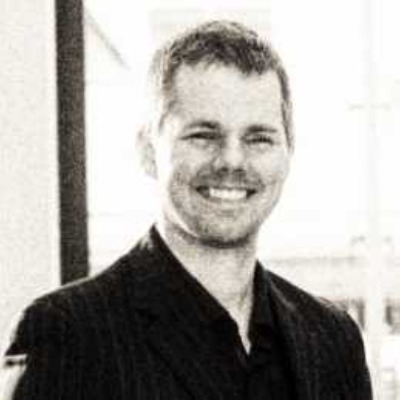
Ben Morton is an Australian entrepreneur and a chemical engineer by training. While serving in the Royal Australian Infantry, he attended Flinders University, pursuing a double honours degree in physics and organic chemistry. After graduating in 2013, Morton briefly worked as a chemist at fertilizer company SprayGro. In 2016, he enrolled at the University of Adelaide to pursue a PhD in Chemical Engineering. There, he joined Philip Kwong’s research group and met fellow PhD student Lewis Dunnigan. Using technology they developed at the research group, in 2017 Morton, and Dunnigan established Bygen, a startup offering a low-cost, novel way process of making activated carbon using various forms of agricultural waste, with Kwong as a technical adviser and fellow co-founder. Morton is now CTO of Bygen.
Marin Holding Limited is a Cyprus-based holding company, headquartered in Limassol. Its subsidiary Marin Ship Management focuses on the maritime logistic sector. Founded in February 2007 as a member of Germany's NSC Group in Hamburg, Marin's core activity is to provide crew management services to NSC and other clients. Marin Ship Management has worked with over 50 vessels including Containers, MPC, Con-Bulkers, Bulk carriers, Car carriers, Oil and Chemical tankers worldwide. Managing Director Martina Meinders-Michael has 20 years of experience in the shipping sector.
Marin Holding Limited is a Cyprus-based holding company, headquartered in Limassol. Its subsidiary Marin Ship Management focuses on the maritime logistic sector. Founded in February 2007 as a member of Germany's NSC Group in Hamburg, Marin's core activity is to provide crew management services to NSC and other clients. Marin Ship Management has worked with over 50 vessels including Containers, MPC, Con-Bulkers, Bulk carriers, Car carriers, Oil and Chemical tankers worldwide. Managing Director Martina Meinders-Michael has 20 years of experience in the shipping sector.
CEO and co-founder of Bygen
Lewis Dunnigan is a researcher turned entrepreneur based in Australia. After earning a master’s degree in Chemical Engineering and working as a researcher at the University of Edinburgh in the UK, Dunnigan returned to Australia. He had a brief stint as a visiting researcher and earned his PhD in Chemical Engineering at the University of Adelaide.During his PhD, Dunnigan was a part of Philip Kwong’s research laboratory. His PhD project involved developing a system to generate activated charcoal and renewable energy from biomass. In 2017, Dunnigan, Kwong, and fellow PhD student Ben Morton decided to commercialize this technology and established a spin-off company called Bygen, which developed a low-cost, novel way to make activated carbon more sustainably using various forms of agricultural waste. Dunnigan is now the CEO of Bygen.
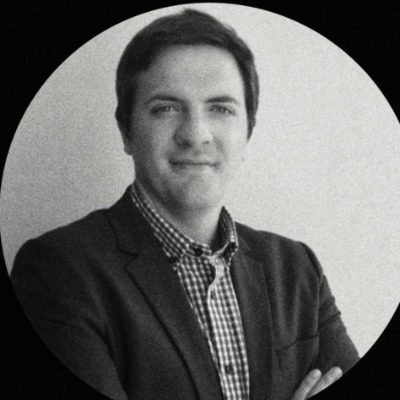
Lewis Dunnigan is a researcher turned entrepreneur based in Australia. After earning a master’s degree in Chemical Engineering and working as a researcher at the University of Edinburgh in the UK, Dunnigan returned to Australia. He had a brief stint as a visiting researcher and earned his PhD in Chemical Engineering at the University of Adelaide.During his PhD, Dunnigan was a part of Philip Kwong’s research laboratory. His PhD project involved developing a system to generate activated charcoal and renewable energy from biomass. In 2017, Dunnigan, Kwong, and fellow PhD student Ben Morton decided to commercialize this technology and established a spin-off company called Bygen, which developed a low-cost, novel way to make activated carbon more sustainably using various forms of agricultural waste. Dunnigan is now the CEO of Bygen.
Co-founder and CEO of KODI
Inra Sumahamijaya was initially trained in chemical engineering, having graduated from Institut Teknologi Sepuluh Nopember with a bachelor's in the field. He has worked for state-owned minerals company Antam and other companies in the oil and gas industry, including Total. He began exploring entrepreneurship in 2017, when he founded two small companies and joined various startup-related support programs. In 2018, he established KODI, a digital platform for cooperative enterprises.
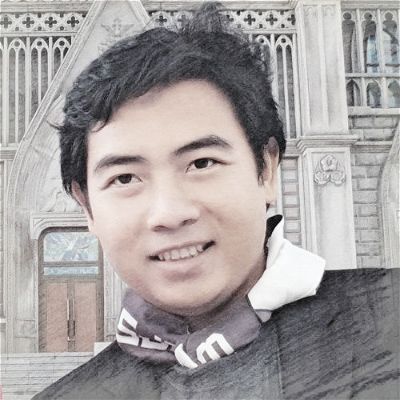
Inra Sumahamijaya was initially trained in chemical engineering, having graduated from Institut Teknologi Sepuluh Nopember with a bachelor's in the field. He has worked for state-owned minerals company Antam and other companies in the oil and gas industry, including Total. He began exploring entrepreneurship in 2017, when he founded two small companies and joined various startup-related support programs. In 2018, he established KODI, a digital platform for cooperative enterprises.
Co-founder and COO of BlackGarlic
Ardo Adiwidjaja followed his passion for the culinary arts by becoming a co-founder of BlackGarlic in 2015. Armed with over six years of project management and business development work experience, he is also the COO of BlackGarlic. Ardo has a degree in Chemical and Process Engineering from the University of Karlsruhe, Germany. He started his career as a trainee in 2009 at Voith Paper GmbH & Co and rose to become a manager before returning to Indonesia.
Ardo Adiwidjaja followed his passion for the culinary arts by becoming a co-founder of BlackGarlic in 2015. Armed with over six years of project management and business development work experience, he is also the COO of BlackGarlic. Ardo has a degree in Chemical and Process Engineering from the University of Karlsruhe, Germany. He started his career as a trainee in 2009 at Voith Paper GmbH & Co and rose to become a manager before returning to Indonesia.
Co-founder and CEO of GoWork
Vanessa Hendriadi Li is the founder of Rework, a coworking space operator in Jakarta. Following its merger with GoWork, she became the CEO of the company. Prior to Rework, she held managerial roles in her family's business the Mikatasa Group and its mineral water subsidiary PT Atlantic Biruraya. Vanessa holds a bachelor's degree in Chemical Engineering from the University of Wisconsin-Madison, USA, as well as an MBA from the University of Southern California.
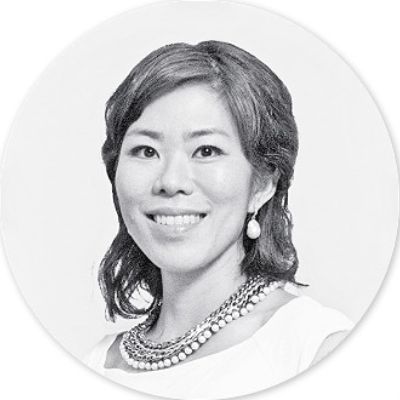
Vanessa Hendriadi Li is the founder of Rework, a coworking space operator in Jakarta. Following its merger with GoWork, she became the CEO of the company. Prior to Rework, she held managerial roles in her family's business the Mikatasa Group and its mineral water subsidiary PT Atlantic Biruraya. Vanessa holds a bachelor's degree in Chemical Engineering from the University of Wisconsin-Madison, USA, as well as an MBA from the University of Southern California.
Co-founder and CEO of Payfazz
Hendra Kwik is a co-founder of mobile financial services firm Payfazz. Trained as a chemical engineer at Institut Teknologi Bandung where he earned his bachelor's in 2012, Hendra worked for oilfield services company Schlumberger from 2013 to mid-2015. Following a three-month sabbatical, he briefly joined O2O services company Kudo before establishing Payfazz in 2016. Hendra represented Payfazz at Y Combinator in 2017, making Payfazz the first Indonesian company to graduate from the renowned incubator program.
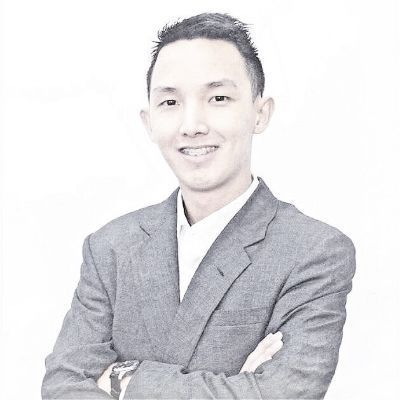
Hendra Kwik is a co-founder of mobile financial services firm Payfazz. Trained as a chemical engineer at Institut Teknologi Bandung where he earned his bachelor's in 2012, Hendra worked for oilfield services company Schlumberger from 2013 to mid-2015. Following a three-month sabbatical, he briefly joined O2O services company Kudo before establishing Payfazz in 2016. Hendra represented Payfazz at Y Combinator in 2017, making Payfazz the first Indonesian company to graduate from the renowned incubator program.
Co-founder and COO of Kudo
Agung Nugroho, a graduate in Chemical Engineering at the Institut Teknologi Bandung in Indonesia, began his career at Jakarta’s Boston Consulting Group in 2008. He was promoted to a consultant role in 2012 but left later that year to embark on an MBA program at the Haas School of Business, UC Berkeley. In 2014, he co-founded PT Kudo Teknologi Indonesia, an online-to-offline startup. Agung is also a curator at the Global Shapers Community, a youth-centric initiative by the World Economic Forum.

Agung Nugroho, a graduate in Chemical Engineering at the Institut Teknologi Bandung in Indonesia, began his career at Jakarta’s Boston Consulting Group in 2008. He was promoted to a consultant role in 2012 but left later that year to embark on an MBA program at the Haas School of Business, UC Berkeley. In 2014, he co-founded PT Kudo Teknologi Indonesia, an online-to-offline startup. Agung is also a curator at the Global Shapers Community, a youth-centric initiative by the World Economic Forum.
Beyond Leather Materials: Turning apples into alt-leather for sustainable fashion
Through its Leap brand, the Danish startup cuts food waste by turning apples junked in cider factories into affordable vegan leather for the $100bn leather market

Belva Devara: The whiz kid transforming Indonesia’s education sector
Recently made advisor to the Indonesian president, edtech Ruangguru founder and CEO Belva Devara has also begun mentoring and promoting new startups in Indonesia

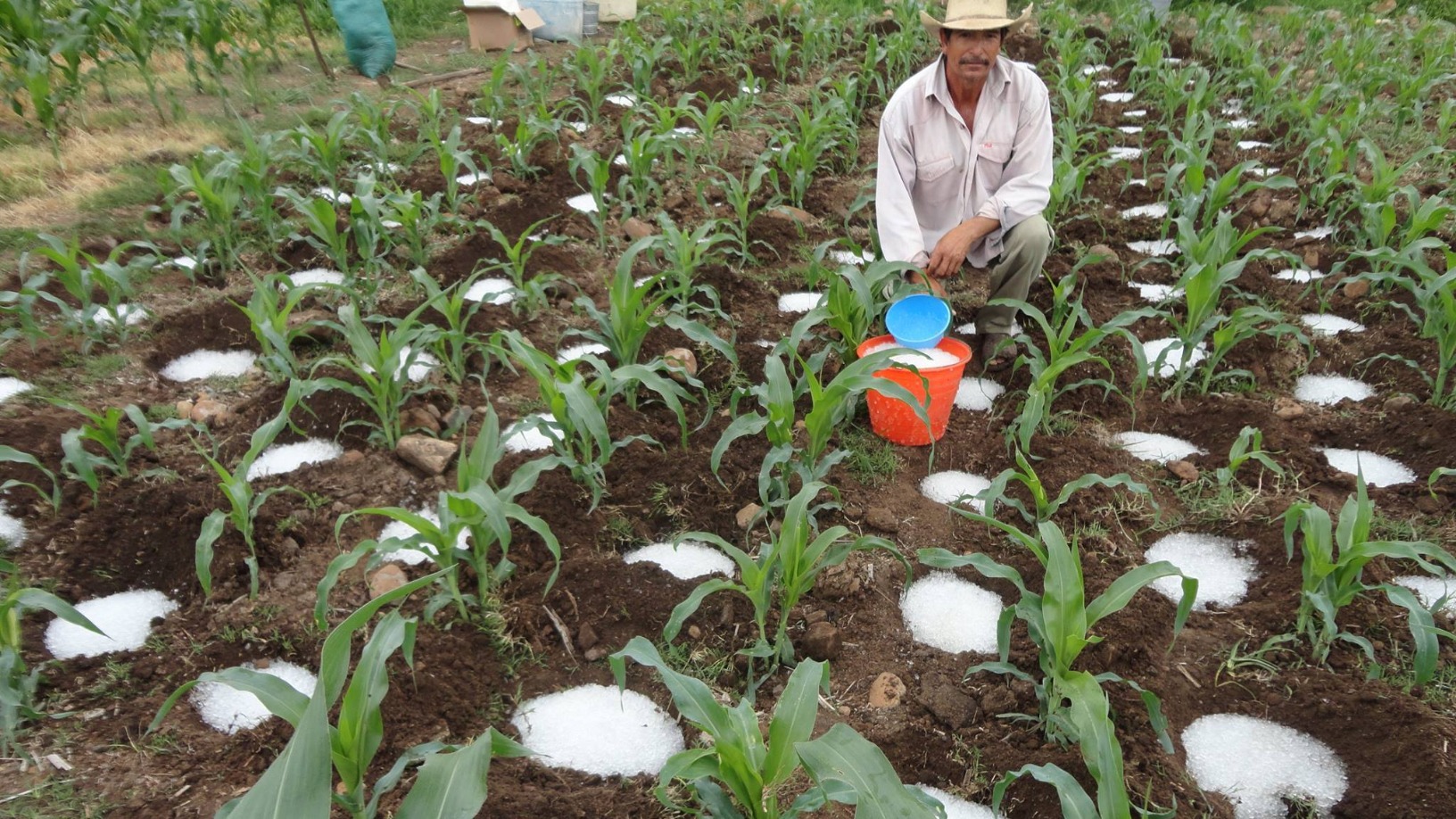
Lluvia Sólida: An economic lifeline for farmers in drier, unpredictable climate conditions
Reducing the need for watering by up to 90%, this Mexican startup’s polymer-based water retention technology is a potential game-changer for farming worldwide
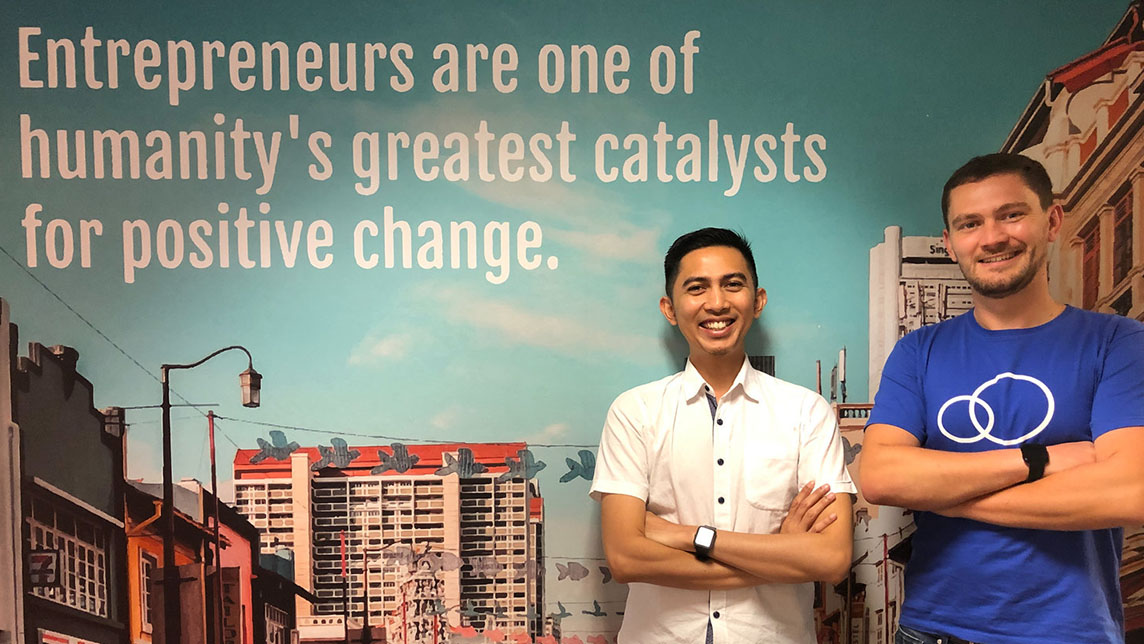
Analysing and leveraging data: Interview with Datanest co-founders
From credit scoring to demand forecasting, Datanest has built many machine-learning products and looks to raise new funding, expand beyond Indonesia
AEInnova: Energy harvester to generate €10 million revenue, plans Series A
A whopping 70% of our energy generated gets lost as waste heat. A Spanish startup has developed innovative solutions to collect the waste heat that industry literally throws away and convert it into electricity

AquaCultured Foods: World's first whole-cut vegan seafood made through microbial fermentation
Armed with its fermentation technology and proprietary strain of fungi, AquaCultured is closing an oversubscribed funding round, raising more than $1.5m to launch its non-GMO seafood alternatives, with plans to expand to more food verticals and overseas

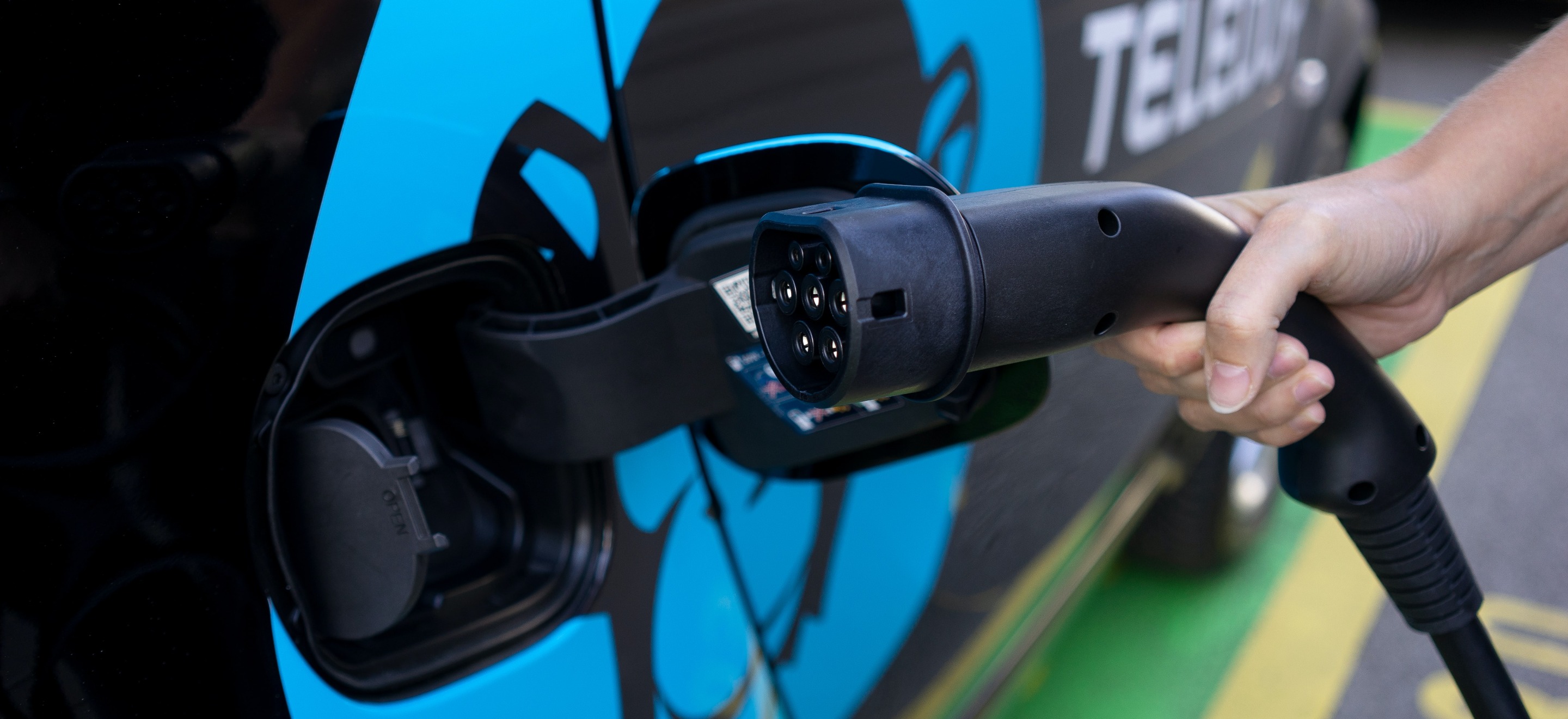
Behind Indonesia's recent EV push
EV prices in Indonesia are still high and there are concerns about infrastructure, but serious policymaking and private sector support can boost consumer adoption
Spain's 3D printing revolution to drive various sectors' growth
From medical splints to meat-free burgers, multimillion-dollar 3D tech hubs are spawning new verticals across Spain

China’s startups have much to gain from the US-China trade war
The prolonged trade conflict may be exactly what Chinese startups need to strengthen their technological capabilities

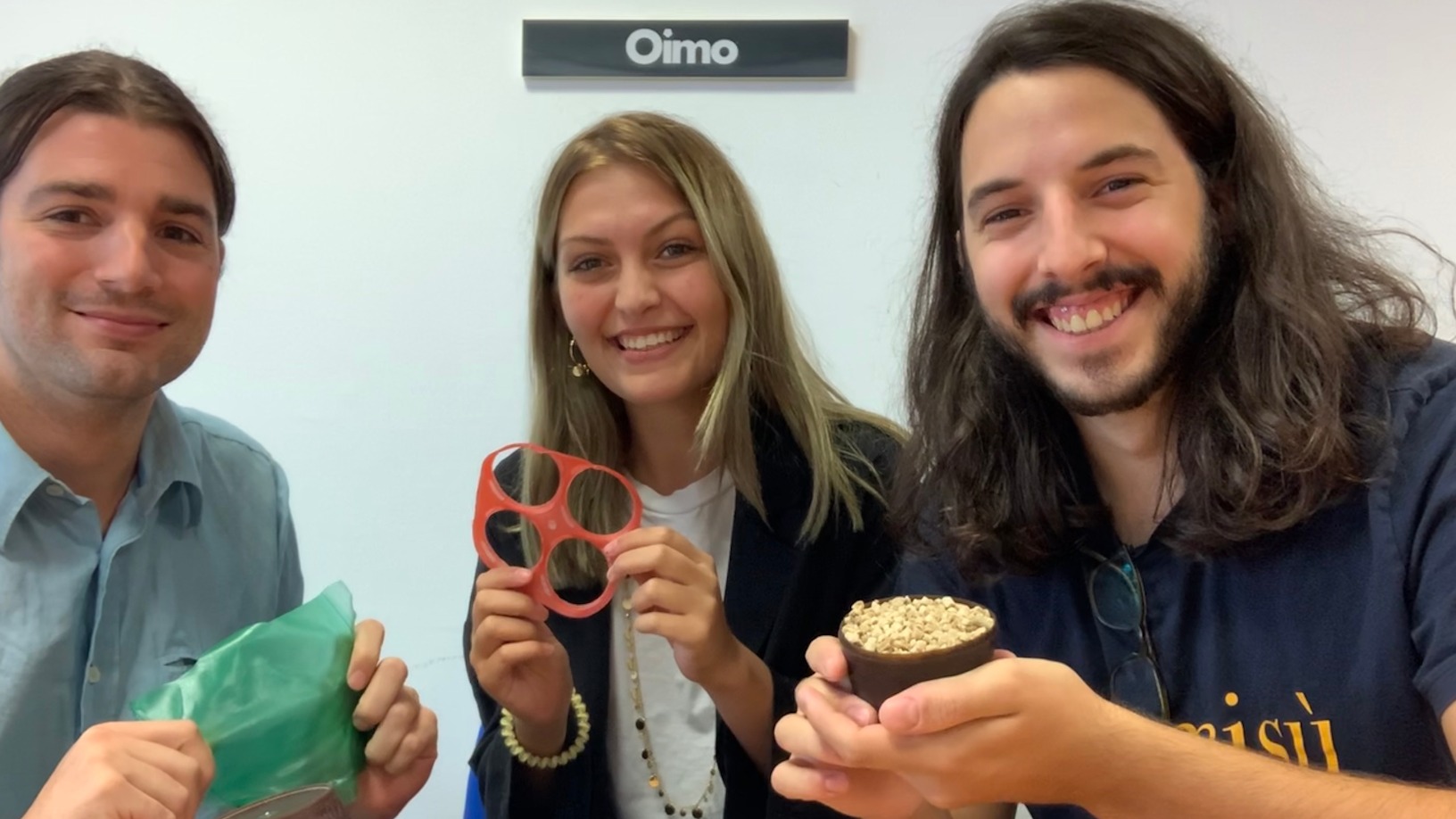
Oimo: Biodegradable marine-based bioplastics for environmentally friendly food packaging
Its pellets already work well in current factory machinery, so Oimo wants to scale when the EU’s ban on single-use plastics kicks in next year
Catalonia: Spain's fast-rising robotics hub and next opportunity
With the robotics sector on the rise in Catalonia, expect to see more growth ahead, driving opportunities in related segments, especially services

Carbo Culture: Adapting indigenous techniques to remove and store CO2
By turning biomass into biochar, the startup’s technology locks carbon into a stable, solid form, with a storage life of over 2,000 years
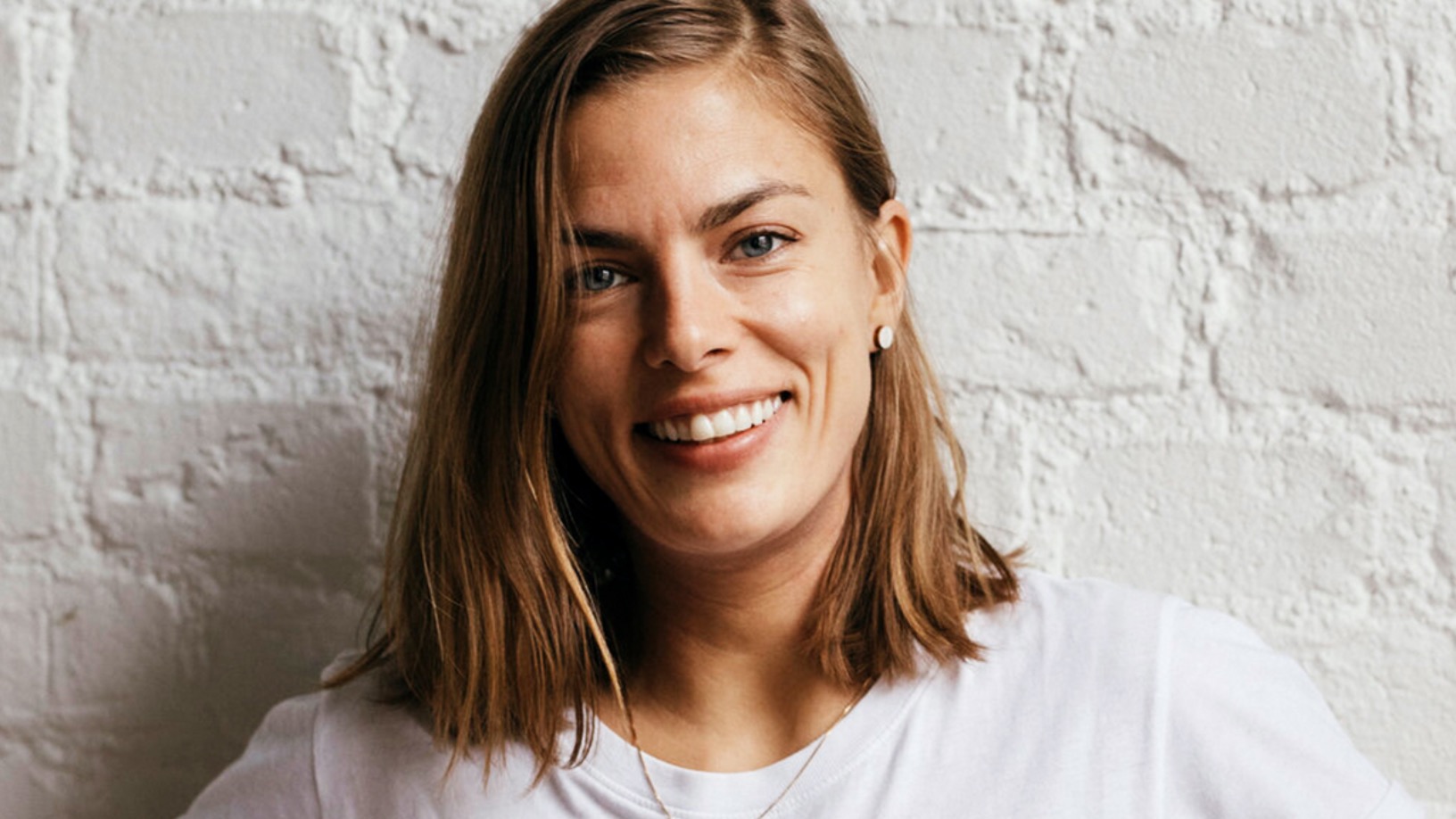
Diamond Foundry: Growing conflict-free, eco-friendly diamonds in a lab
The world’s first lab-grown diamond producer certified carbon-neutral, Diamond Foundry became a unicorn recently with a $200m investment from Fidelity, adding to earlier funding from tech billionaires

Animal AgTech Innovation Summit 2021: Experts discuss post-pandemic priorities
The pandemic not only put digital tech in everyone’s hands, it also forced thinking about collecting meaningful data and moving it on-demand to both producers and decision makers
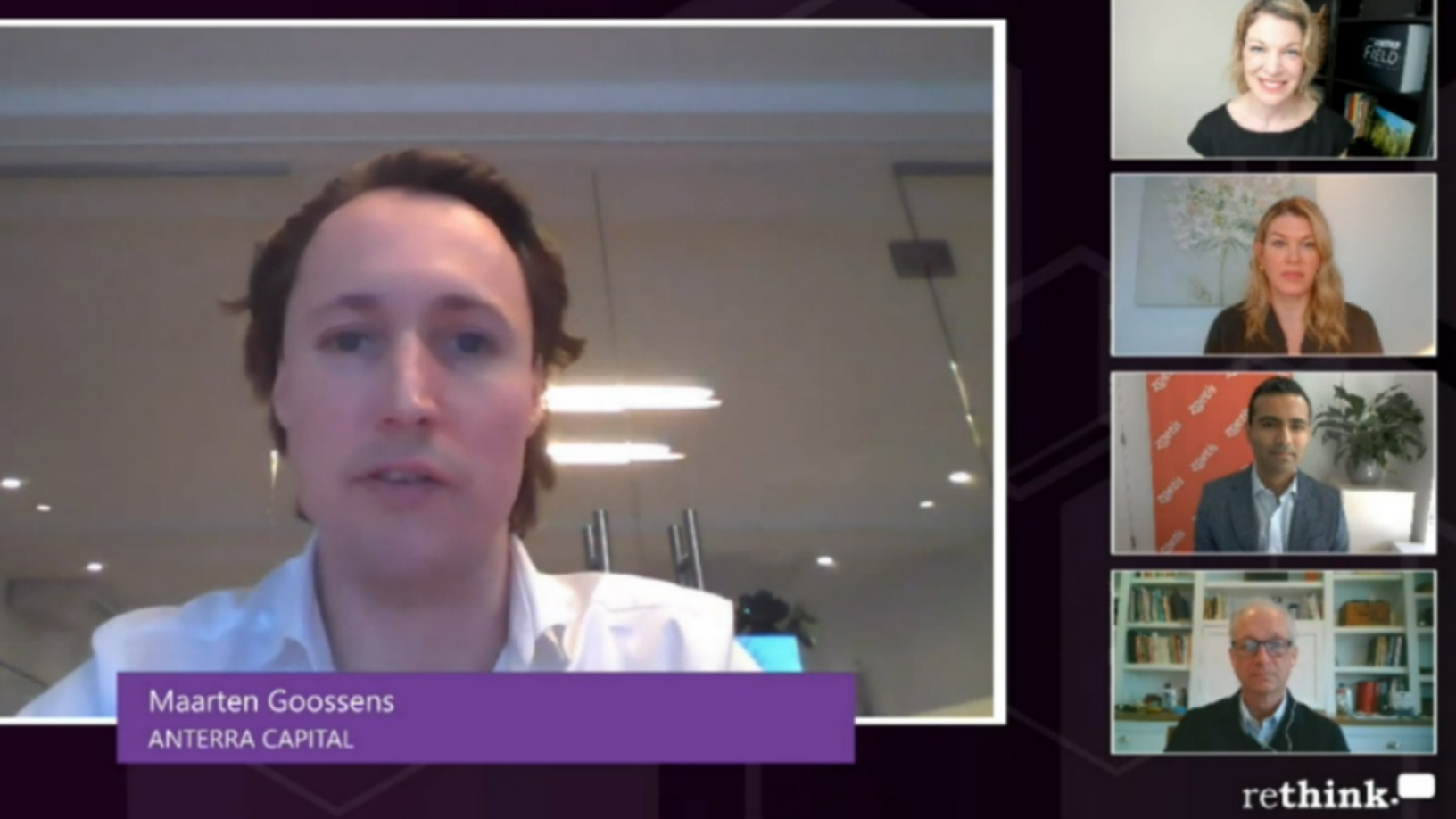
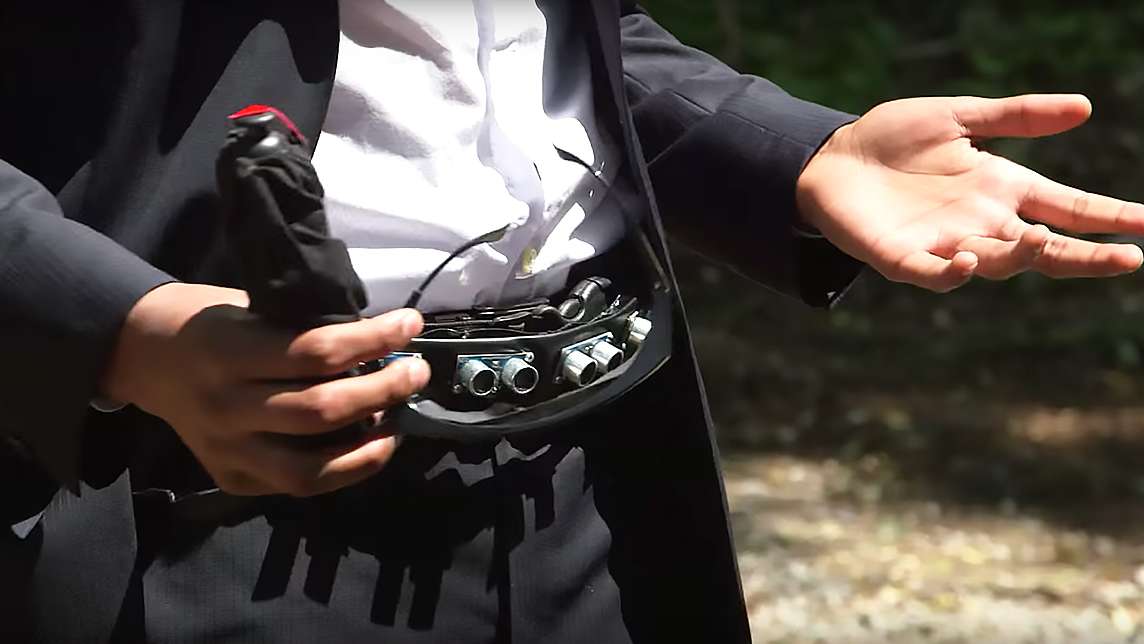
Alex Deans, youth creator of wearable tech for the blind, discusses the inventing process
He started with just CA$100 worth of GPS shields and wires at aged 12. Now the 20-year-old student is readying to take his iAid navigation device for the visually impaired to market
Sorry, we couldn’t find any matches for “Chemical recycling”.