Contain Inc
-
DATABASE (731)
-
ARTICLES (34)
Co-founder, CEO of Higo Sense
Łukasz Krasnopolski is the Polish CEO and co-founder of medtech diagnostic hardware and app Higo Sense, where he has worked full-time since 2017. He has also been the CEO of Polish tech incubator ToReforge since 2015 and is a co-founder at gaming developer Walkabout Games, established in 2017. Krasnopolski has also been the owner of internet marketing agency Red2black since 2007 and was founder and co-owner at e-commerce-for-children startup more4kids.pl between 2008 and 2012, when he exited the company that is now listed on the Polish stock exchange. He is a supervisory board member at Cloud Technologies, a leader in online advertising and big-data cloud computing in Europe and holds a master’s in entrepreneurship from Warsaw’s Kosminski University.

Łukasz Krasnopolski is the Polish CEO and co-founder of medtech diagnostic hardware and app Higo Sense, where he has worked full-time since 2017. He has also been the CEO of Polish tech incubator ToReforge since 2015 and is a co-founder at gaming developer Walkabout Games, established in 2017. Krasnopolski has also been the owner of internet marketing agency Red2black since 2007 and was founder and co-owner at e-commerce-for-children startup more4kids.pl between 2008 and 2012, when he exited the company that is now listed on the Polish stock exchange. He is a supervisory board member at Cloud Technologies, a leader in online advertising and big-data cloud computing in Europe and holds a master’s in entrepreneurship from Warsaw’s Kosminski University.
CEO and founder of Les Noveaux Affineurs
Nour Akbaraly completed a master’s in engineering at Centrale Lille and also a master’s in applied mathematics at Lille University in 2010. In 2011, Akbaraly joined industrial manufacturing consultancy firm Avencore as a consultant in Paris.The avid photographer and F&B enthusiast also went to various tea-tasting classes at a tea specialist college until 2015. Passionate about gastronomy, he began exploring alt-protein alternatives to address the environmental and ethical challenges of food supply chains.In 2016, he went on an engineering training course for agronomy and agri-food at AgroSup Dijon, the National Institute of Agronomic, Food and Environmental Sciences.A year later, he founded Les Noveaux Affineurs, a startup specializing in plant-based alternatives to cheese. His ambition is to create a new range of French gastronomic vegan cheese products for consumers in France and overseas.Since 2010, Akbaraly is also a volunteer at the Action Contre la Faim, a Paris-based international NGO founded in 1979. The “Action Against Hunger” projects include running awareness campaigns on food security issues in colleges and schools in France and other countries like India and Sudan.

Nour Akbaraly completed a master’s in engineering at Centrale Lille and also a master’s in applied mathematics at Lille University in 2010. In 2011, Akbaraly joined industrial manufacturing consultancy firm Avencore as a consultant in Paris.The avid photographer and F&B enthusiast also went to various tea-tasting classes at a tea specialist college until 2015. Passionate about gastronomy, he began exploring alt-protein alternatives to address the environmental and ethical challenges of food supply chains.In 2016, he went on an engineering training course for agronomy and agri-food at AgroSup Dijon, the National Institute of Agronomic, Food and Environmental Sciences.A year later, he founded Les Noveaux Affineurs, a startup specializing in plant-based alternatives to cheese. His ambition is to create a new range of French gastronomic vegan cheese products for consumers in France and overseas.Since 2010, Akbaraly is also a volunteer at the Action Contre la Faim, a Paris-based international NGO founded in 1979. The “Action Against Hunger” projects include running awareness campaigns on food security issues in colleges and schools in France and other countries like India and Sudan.
Founder and CEO of Yidianling
Xu Yingqi has over a decade of work experience in the gaming, pharmaceutical and finance sectors. He joined an online gaming company named 5173 in 2003 and expanded the team from 20 to 3,000 employees, increasing the yearly GMV from US$3m to more than US$1.5bn. Xu then joined a pharmaceutical company named 818 in 2009, helping over 300 pharmacies go online. The company's business grew 248% annually under his leadership. In 2003, Xu started financial services platform 658 that generated RMB1.3bn worth of transactions. In 2015, he went on to establish Yidianling, an online mental health consultancy.

Xu Yingqi has over a decade of work experience in the gaming, pharmaceutical and finance sectors. He joined an online gaming company named 5173 in 2003 and expanded the team from 20 to 3,000 employees, increasing the yearly GMV from US$3m to more than US$1.5bn. Xu then joined a pharmaceutical company named 818 in 2009, helping over 300 pharmacies go online. The company's business grew 248% annually under his leadership. In 2003, Xu started financial services platform 658 that generated RMB1.3bn worth of transactions. In 2015, he went on to establish Yidianling, an online mental health consultancy.
R&D and business lead and co-founder of Graviky Labs
Anirudh Sharma is one of three co-founders of Graviky Labs, which makes ink out of carbon that is captured from pollution and purified using proprietary technology. This concept was born from Sharma’s experiments making ink from candle soot while doing his master’s at MIT Materials Lab. He currently leads R&D and business at the firm. Sharma’s interests include augmented reality, wearable computing and environmental projects. Over the years, he has developed and patented various technology products with social and environmental impact. He was formerly CTO and co-founder of India’s first wearable technology company, Ducere Technologies, which was later sold. This company makes Lechal, the world’s first smart haptic device for shoes, initially designed by Sharma as a navigation aid for the visually impaired. Sharma also previously worked for Imagin Group at Hewlett Packard Labs, on a multimodal speech and touch-based computer-aided design interface for large displays.Sharma holds a master's from Massachusetts Institute of Technology and co-led the activities of MIT Media Lab India from 2013–2015. He is a TED and TEDx speaker and has been included in Forbes’ 30 Under 30 for Asia, MIT Technology Review’s 35 Innovators Under 35, and Foreign Policy magazine’s 100 Global Thinkers of 2016.

Anirudh Sharma is one of three co-founders of Graviky Labs, which makes ink out of carbon that is captured from pollution and purified using proprietary technology. This concept was born from Sharma’s experiments making ink from candle soot while doing his master’s at MIT Materials Lab. He currently leads R&D and business at the firm. Sharma’s interests include augmented reality, wearable computing and environmental projects. Over the years, he has developed and patented various technology products with social and environmental impact. He was formerly CTO and co-founder of India’s first wearable technology company, Ducere Technologies, which was later sold. This company makes Lechal, the world’s first smart haptic device for shoes, initially designed by Sharma as a navigation aid for the visually impaired. Sharma also previously worked for Imagin Group at Hewlett Packard Labs, on a multimodal speech and touch-based computer-aided design interface for large displays.Sharma holds a master's from Massachusetts Institute of Technology and co-led the activities of MIT Media Lab India from 2013–2015. He is a TED and TEDx speaker and has been included in Forbes’ 30 Under 30 for Asia, MIT Technology Review’s 35 Innovators Under 35, and Foreign Policy magazine’s 100 Global Thinkers of 2016.
Former technical development lead and co-founder of Graviky Labs
Nitesh Kadyan (also known as Nitesh Kumar) is a computer scientist, robotics engineer, inventor, maker and hacker. He was one of the three co-founders of Graviky Labs, a startup producing ink from captured carbon emissions. He worked at Graviky Labs from 2016–2018, during which he led its hardware development and prototyping. Currently, he works as a senior creative technologist at Lowe's Innovation Labs India.Kadyan holds a degree in computer science from the International Institute of Information Technology, Bangalore and did a research stint on AI and robotics at Freie University, Berlin. His background includes expertise in machine learning and embedded systems. Kadyan’s past projects include self-driving model cars, autonomous smart wheelchairs, an augmented reality interface for laser cutting, as well as machines that sketch and draw. He also founded a startup that does 3D printing in nearly any material, from plastic and metallic clay to chocolate, playdoh and fabric, and which was incubated at MIT Global Startup Labs 2014.Kadyan was named one of Foreign Policy magazine’s Top 100 Global Thinkers in 2016. He is a recipient of the Campus Diaries 25 Under 25 award, and is a two-time speaker at TEDx.

Nitesh Kadyan (also known as Nitesh Kumar) is a computer scientist, robotics engineer, inventor, maker and hacker. He was one of the three co-founders of Graviky Labs, a startup producing ink from captured carbon emissions. He worked at Graviky Labs from 2016–2018, during which he led its hardware development and prototyping. Currently, he works as a senior creative technologist at Lowe's Innovation Labs India.Kadyan holds a degree in computer science from the International Institute of Information Technology, Bangalore and did a research stint on AI and robotics at Freie University, Berlin. His background includes expertise in machine learning and embedded systems. Kadyan’s past projects include self-driving model cars, autonomous smart wheelchairs, an augmented reality interface for laser cutting, as well as machines that sketch and draw. He also founded a startup that does 3D printing in nearly any material, from plastic and metallic clay to chocolate, playdoh and fabric, and which was incubated at MIT Global Startup Labs 2014.Kadyan was named one of Foreign Policy magazine’s Top 100 Global Thinkers in 2016. He is a recipient of the Campus Diaries 25 Under 25 award, and is a two-time speaker at TEDx.
CEO and founder of Diamond Foundry
Martin Roscheisen is an American-Austrian tech entrepreneur. He is CEO and co-founder of US-based unicorn Diamond Foundry, the first certified carbon-neutral producer of lab-grown diamonds. He has worked there since 2012, prior to the company’s official establishment in 2013.Roscheisen holds a PhD in computer science from Stanford University, where his classmates included Google founders Larry Page and Sergey Brin. He is one of the first generation of internet entrepreneurs, and has been involved in starting a number of companies. Before starting Diamond Foundry, Roscheisen headed the $640m solar startup Nanosolar from 2002–2010 as its CEO and founder. This was Silicon Valley's first solar power tech startup financed by American venture capital and, at the time, the highest-valued solar startup.When Nanosolar closed due to cheaper competition from China, much of its remaining technical expertise and resources went to setting up Diamond Foundry.In addition, Roscheisen was also formerlyCEO and the founder of eGroups. One of the first social media platforms to reach 50m users, the firm was acquired by Yahoo!.CTO and co-founder of enterprise software firm TradingDynamics, which sold to Ariba for $1.2bn.CTO and co-founder of FindLaw, a leading Internet legal site eventually sold to Thomson Reuters.In 2003, Fortune Magazine named Roscheisen one of America’s 40 Under 40, and one of the top 10 entrepreneurs in the country.

Martin Roscheisen is an American-Austrian tech entrepreneur. He is CEO and co-founder of US-based unicorn Diamond Foundry, the first certified carbon-neutral producer of lab-grown diamonds. He has worked there since 2012, prior to the company’s official establishment in 2013.Roscheisen holds a PhD in computer science from Stanford University, where his classmates included Google founders Larry Page and Sergey Brin. He is one of the first generation of internet entrepreneurs, and has been involved in starting a number of companies. Before starting Diamond Foundry, Roscheisen headed the $640m solar startup Nanosolar from 2002–2010 as its CEO and founder. This was Silicon Valley's first solar power tech startup financed by American venture capital and, at the time, the highest-valued solar startup.When Nanosolar closed due to cheaper competition from China, much of its remaining technical expertise and resources went to setting up Diamond Foundry.In addition, Roscheisen was also formerlyCEO and the founder of eGroups. One of the first social media platforms to reach 50m users, the firm was acquired by Yahoo!.CTO and co-founder of enterprise software firm TradingDynamics, which sold to Ariba for $1.2bn.CTO and co-founder of FindLaw, a leading Internet legal site eventually sold to Thomson Reuters.In 2003, Fortune Magazine named Roscheisen one of America’s 40 Under 40, and one of the top 10 entrepreneurs in the country.
Co-founder of Diamond Foundry
Kyle Gazay is a co-founder of Diamond Foundry, the US-based unicorn that makes lab-grown diamonds and which is also the world’s first diamond producer to be certified carbon neutral. He has worked at Diamond Foundry since its launch, and held several roles there, including being COO as well as president of productionCurrently, Gazay oversees all diamond production at the company. Gazay’s expertise is in engineering and production. He has a decade’s track record in working with any equipment to obtain a robust and repeatable baseline output.Like the other co-founders of Diamond Foundry, Gazay previously worked at Nanosolar, a $640m US-based solar power technology provider, which later folded due to pressure from cheaper competition in China. At Nanosolar, Gazay led the development of its production line, and oversaw the translation of the company’s research into development and baseline production output. Upon the closure of Nanosolar, Gazay joined former Nanosolar CEO Martin Roscheisen and former Nanosolar engineer Jeremy Scholz in pivoting to work on lab-grown diamonds, and in establishing Diamond Foundry.

Kyle Gazay is a co-founder of Diamond Foundry, the US-based unicorn that makes lab-grown diamonds and which is also the world’s first diamond producer to be certified carbon neutral. He has worked at Diamond Foundry since its launch, and held several roles there, including being COO as well as president of productionCurrently, Gazay oversees all diamond production at the company. Gazay’s expertise is in engineering and production. He has a decade’s track record in working with any equipment to obtain a robust and repeatable baseline output.Like the other co-founders of Diamond Foundry, Gazay previously worked at Nanosolar, a $640m US-based solar power technology provider, which later folded due to pressure from cheaper competition in China. At Nanosolar, Gazay led the development of its production line, and oversaw the translation of the company’s research into development and baseline production output. Upon the closure of Nanosolar, Gazay joined former Nanosolar CEO Martin Roscheisen and former Nanosolar engineer Jeremy Scholz in pivoting to work on lab-grown diamonds, and in establishing Diamond Foundry.
CEO and Co-founder of Oceanium
Karen Scofield Seal is the CEO and co-founder of Oceanium, a Scottish startup developing marine-safe bio packaging and plant-based food and nutrition products from sustainably farmed seaweed. During the 90s she lived in New York working as Senior Manager and Producer for the National Football League, as Production Supervisor and Event director at the US OPEN Tennis, and as Coordinating Producer at ABC News.She later moved to London with her husband, where she worked in Comic Relief and in RED, liaising with Apple, American Express and Converse partnerships. In 2009 she co-founded LUCZA, a luxury e-commerce active since 2014. There, she executed marketing and PR strategies including offline and online initiatives.

Karen Scofield Seal is the CEO and co-founder of Oceanium, a Scottish startup developing marine-safe bio packaging and plant-based food and nutrition products from sustainably farmed seaweed. During the 90s she lived in New York working as Senior Manager and Producer for the National Football League, as Production Supervisor and Event director at the US OPEN Tennis, and as Coordinating Producer at ABC News.She later moved to London with her husband, where she worked in Comic Relief and in RED, liaising with Apple, American Express and Converse partnerships. In 2009 she co-founded LUCZA, a luxury e-commerce active since 2014. There, she executed marketing and PR strategies including offline and online initiatives.
CEO and founder of Petit Pli
Ryan Mario Yasin is an engineer, designer and sustainable fashion entrepreneur based in London. Originally from Reykjavik, Iceland, Yasin graduated in aeronautical engineering at Imperial College London and has a master’s in global innovation design from the Royal College of Art. As a 23-year-old design student, Yasin founded materials technology startup Petit Pli, and developed the design for the company’s first product, a pleated garment that could expand up to seven sizes to last children through their first few years of life. Petit Pli now makes expandable pleated clothes for children and adults, using a fabric derived from recycled plastic and a structure inspired by origami, architecture and space satellites. Petit Pli products have won a number of prestigious awards, such as the UK James Dyson Award, Time Magazine’s best invention of 2020 and the Red Dot Product Design Award.Yasin has a strong interest in photography and in the interplay between art and engineering. In 2020, Yasin was included by Forbes in its 30 Under 30 list for Europe.

Ryan Mario Yasin is an engineer, designer and sustainable fashion entrepreneur based in London. Originally from Reykjavik, Iceland, Yasin graduated in aeronautical engineering at Imperial College London and has a master’s in global innovation design from the Royal College of Art. As a 23-year-old design student, Yasin founded materials technology startup Petit Pli, and developed the design for the company’s first product, a pleated garment that could expand up to seven sizes to last children through their first few years of life. Petit Pli now makes expandable pleated clothes for children and adults, using a fabric derived from recycled plastic and a structure inspired by origami, architecture and space satellites. Petit Pli products have won a number of prestigious awards, such as the UK James Dyson Award, Time Magazine’s best invention of 2020 and the Red Dot Product Design Award.Yasin has a strong interest in photography and in the interplay between art and engineering. In 2020, Yasin was included by Forbes in its 30 Under 30 list for Europe.
Co-CEO and Co-founder of Notpla (formerly Skipping Rocks Lab)
Rodrigo García González graduated in Architecture at the Technical University of Madrid (ETSAM) in 2009 and also completed various PhD courses in advanced architecture at his alma mater.In 2006, the architect student joined an EU Asia-Link sustainable humane habitat program that included stints at the Centre for Environmental Planning and Technology (CEPT) University in India. He also won a SMILE scholarship to study industrial design at Pontificia Universidad Católica in Chile for one year. In 2011, he obtained a scholarship to study industrial design and business at Umeå Institute of Design in Sweden. In 2014, he completed two master’s programs in innovation design engineering run by London’s Imperial College and Royal College of Art.In July 2014, he co-founded Skipping Rocks Lab, that was later pivoted into Notpla, a UK-based startup that develops compostable and edible packaging materials made of seaweed and other plants.Since 2007, he has worked with various institutions in Europe, Latin America and the US including Cornell University, CEPT, Imperial College and Royal College of Art. In 2016, he became a senior lecturer for a degree program in product and furniture design at Kingston University.He has two patents for his work on structural and deployable systems. His designs have also been featured in prestigious art centers like the Cite de l'Architecture of Paris and the Venice Biennale of Architecture.Other projects include the Hop! suitcase that can follow the user by tracking the signal of the user’s mobile phone and Aer, an artificial cloud that can evaporate “drinkable” water from the sea. He also developed Zipizip, an architectural system that enables the construction of several floors of a building in a few hours.

Rodrigo García González graduated in Architecture at the Technical University of Madrid (ETSAM) in 2009 and also completed various PhD courses in advanced architecture at his alma mater.In 2006, the architect student joined an EU Asia-Link sustainable humane habitat program that included stints at the Centre for Environmental Planning and Technology (CEPT) University in India. He also won a SMILE scholarship to study industrial design at Pontificia Universidad Católica in Chile for one year. In 2011, he obtained a scholarship to study industrial design and business at Umeå Institute of Design in Sweden. In 2014, he completed two master’s programs in innovation design engineering run by London’s Imperial College and Royal College of Art.In July 2014, he co-founded Skipping Rocks Lab, that was later pivoted into Notpla, a UK-based startup that develops compostable and edible packaging materials made of seaweed and other plants.Since 2007, he has worked with various institutions in Europe, Latin America and the US including Cornell University, CEPT, Imperial College and Royal College of Art. In 2016, he became a senior lecturer for a degree program in product and furniture design at Kingston University.He has two patents for his work on structural and deployable systems. His designs have also been featured in prestigious art centers like the Cite de l'Architecture of Paris and the Venice Biennale of Architecture.Other projects include the Hop! suitcase that can follow the user by tracking the signal of the user’s mobile phone and Aer, an artificial cloud that can evaporate “drinkable” water from the sea. He also developed Zipizip, an architectural system that enables the construction of several floors of a building in a few hours.
CTO and co-founder of Scoobic Urban Mobility
Pablo Marfil Serrano graduated in industrial design engineering and product development at Nebrija University in Madrid in 2014. He has worked in industrial design, product development and branding for Madrid-based companies, including AECOM and Steelcase.In 2010, he became a member of the competitive Mini racing team Nebrija Motorsport. In 2012, Marfil founded his own agency Marfil Design & Consulting. He also co-founded Scoobic Urban Mobility in 2015 and became the Spanish mobility startup's CTO and business development manager. He is also a founding member and partner of Passion Motorbike Factory.

Pablo Marfil Serrano graduated in industrial design engineering and product development at Nebrija University in Madrid in 2014. He has worked in industrial design, product development and branding for Madrid-based companies, including AECOM and Steelcase.In 2010, he became a member of the competitive Mini racing team Nebrija Motorsport. In 2012, Marfil founded his own agency Marfil Design & Consulting. He also co-founded Scoobic Urban Mobility in 2015 and became the Spanish mobility startup's CTO and business development manager. He is also a founding member and partner of Passion Motorbike Factory.
CEO and co-founder of Scoobic Urban Mobility
Jose María Gómez Marquez started his business career as CEO at Roder Spain from 1986–1994, manufacturing materials used in Expo 1992 in Seville. From 1998–2005, Gómez worked in business development for Climocubierta indoor swimming pool materials company in Seville. Since 1998, Gómez has also been running F1/MotoGP equipment supply company AMG Services as CEO and founder.He completed a master’s in business management in 2006 at San Telmo International Institute in Seville and became the managing partner of Seville-based engineering design company Arquingenia.In 2015, he co-founded Spanish mobility startup Scoobic Urban Mobility and became the CEO of the country’s first three-wheeled EV last-mile delivery logistics provider. He is also CEO of Passion Motorbike Factory.Between 2011 and 2015, Gómez was a director at Morocco-based EURoma Network, a transnational EU organization contributing to the promotion of social inclusion, equal opportunities and the fight against discrimination of the Roma community.

Jose María Gómez Marquez started his business career as CEO at Roder Spain from 1986–1994, manufacturing materials used in Expo 1992 in Seville. From 1998–2005, Gómez worked in business development for Climocubierta indoor swimming pool materials company in Seville. Since 1998, Gómez has also been running F1/MotoGP equipment supply company AMG Services as CEO and founder.He completed a master’s in business management in 2006 at San Telmo International Institute in Seville and became the managing partner of Seville-based engineering design company Arquingenia.In 2015, he co-founded Spanish mobility startup Scoobic Urban Mobility and became the CEO of the country’s first three-wheeled EV last-mile delivery logistics provider. He is also CEO of Passion Motorbike Factory.Between 2011 and 2015, Gómez was a director at Morocco-based EURoma Network, a transnational EU organization contributing to the promotion of social inclusion, equal opportunities and the fight against discrimination of the Roma community.
Co-founder and CEO of Aruna
Farid Naufal Aslam was the CTO of a Bandung-based design studio Monoponik from 2012 to 2014, while he was still reading for a degree in Business Management in Technology and Informatics at the Telkom University in Indonesia. In 2015, he established PasarLaut.com, an e-commerce platform for fishermen. PT Aruna Jaya Nuswantara was later incorporated to transform PasarLaut.com into a fishery tech startup Aruna.

Farid Naufal Aslam was the CTO of a Bandung-based design studio Monoponik from 2012 to 2014, while he was still reading for a degree in Business Management in Technology and Informatics at the Telkom University in Indonesia. In 2015, he established PasarLaut.com, an e-commerce platform for fishermen. PT Aruna Jaya Nuswantara was later incorporated to transform PasarLaut.com into a fishery tech startup Aruna.
CTO and co-founder of Aimentia
Eric Mourin is the Barcelona-based CTO and co-founder of Aimentia, which runs the first AI-powered virtual clinic for mental health patients. He met his fellow co-founder Edgar Jorba, who is now CEO of Aimentia, at the Open University of Catalonia. The company was established while both co-founders were still students.Mourin is a computer engineer by training. Prior to setting up Aimentia, he worked as a software engineer. He also spent close to two years working on a World Heath Organization (WHO) project involving the design and implementation of an IT system for the monitoring and control of neglected tropical diseases. This IT system equipped affected countries to make data-based decisions to reduce incidence of such endemic diseases, while allowing the WHO to efficiently monitor progress.Mourin holds a master’s in computer and information systems security from the Open University of Catalonia as well as a bachelor’s in computer engineering from the Polytechnic University of Catalonia.

Eric Mourin is the Barcelona-based CTO and co-founder of Aimentia, which runs the first AI-powered virtual clinic for mental health patients. He met his fellow co-founder Edgar Jorba, who is now CEO of Aimentia, at the Open University of Catalonia. The company was established while both co-founders were still students.Mourin is a computer engineer by training. Prior to setting up Aimentia, he worked as a software engineer. He also spent close to two years working on a World Heath Organization (WHO) project involving the design and implementation of an IT system for the monitoring and control of neglected tropical diseases. This IT system equipped affected countries to make data-based decisions to reduce incidence of such endemic diseases, while allowing the WHO to efficiently monitor progress.Mourin holds a master’s in computer and information systems security from the Open University of Catalonia as well as a bachelor’s in computer engineering from the Polytechnic University of Catalonia.
CEO, co-founder of Xampla
Simon Hombersley is the CEO and co-founder of Britain’s Xampla, producer of plant-based biodegradable plastics made from protein, where he has worked full-time since 2018. Prior to Xampla, Hombersley worked in various UK-based engineering roles that included almost three years at Oxford Flow, an Oxford University spin-off, reducing water leakage and improving industrial efficiency.Earlier, between 2012 and 2015, he worked in the industrial entrepreneurial agency Puntios, which he founded. From 2004–2012 he was Chairman and founder at TwentyNinety, developers of a wireless monitoring system for photovoltaics. From 2004 to March 2021, he was the founder and non-executive director at Lontra, an engineering firm developing and commercializing energy-saving industrial compressors. Hombersley began his professional life as a public affairs consultant providing advice on regulatory and political affairs mainly to water companies.

Simon Hombersley is the CEO and co-founder of Britain’s Xampla, producer of plant-based biodegradable plastics made from protein, where he has worked full-time since 2018. Prior to Xampla, Hombersley worked in various UK-based engineering roles that included almost three years at Oxford Flow, an Oxford University spin-off, reducing water leakage and improving industrial efficiency.Earlier, between 2012 and 2015, he worked in the industrial entrepreneurial agency Puntios, which he founded. From 2004–2012 he was Chairman and founder at TwentyNinety, developers of a wireless monitoring system for photovoltaics. From 2004 to March 2021, he was the founder and non-executive director at Lontra, an engineering firm developing and commercializing energy-saving industrial compressors. Hombersley began his professional life as a public affairs consultant providing advice on regulatory and political affairs mainly to water companies.
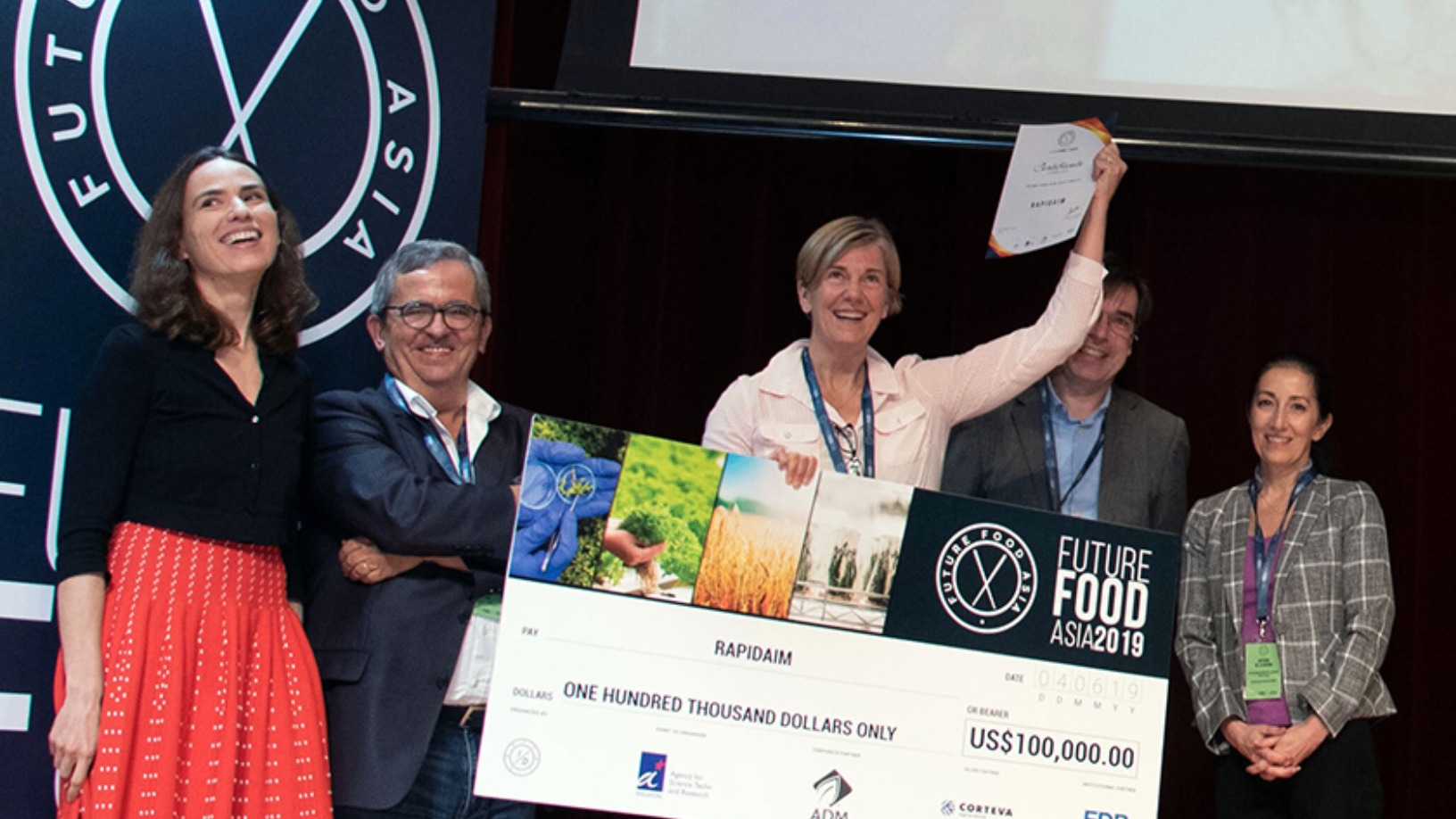
Future Food Asia by ID Capital: Introducing Asia's agrifood startups to the world
More than a meeting of startups and investors, the conference showcases ID Capital’s investment thesis and Big Ag’s support for agrifood tech in the world’s most populous region

Chinese startups join the race to address chip shortage amid funding boom
Would an overheated semiconductor startup scene and the ability to design cutting-edge chips be enough to help China achieve chip self-sufficiency?

Gago Inc: Satellite data agritech startup ramps up growth with financial sector solutions
Founded by former NASA scientists, Gago began as a data solution to improve China’s traditionally low-yielding and inefficient smallholder-based farming sector

James, an AI-powered tool for faster, more accurate credit risk assessment
Capable of analyzing over 7,000 types of data, the award-winning credit risk tool for financial institutions is also quick to install and roll out

Alodokter wants personalised healthcare on tap
The Indonesian healthcare startup recently got a US$9 million Series B funding for expansion.

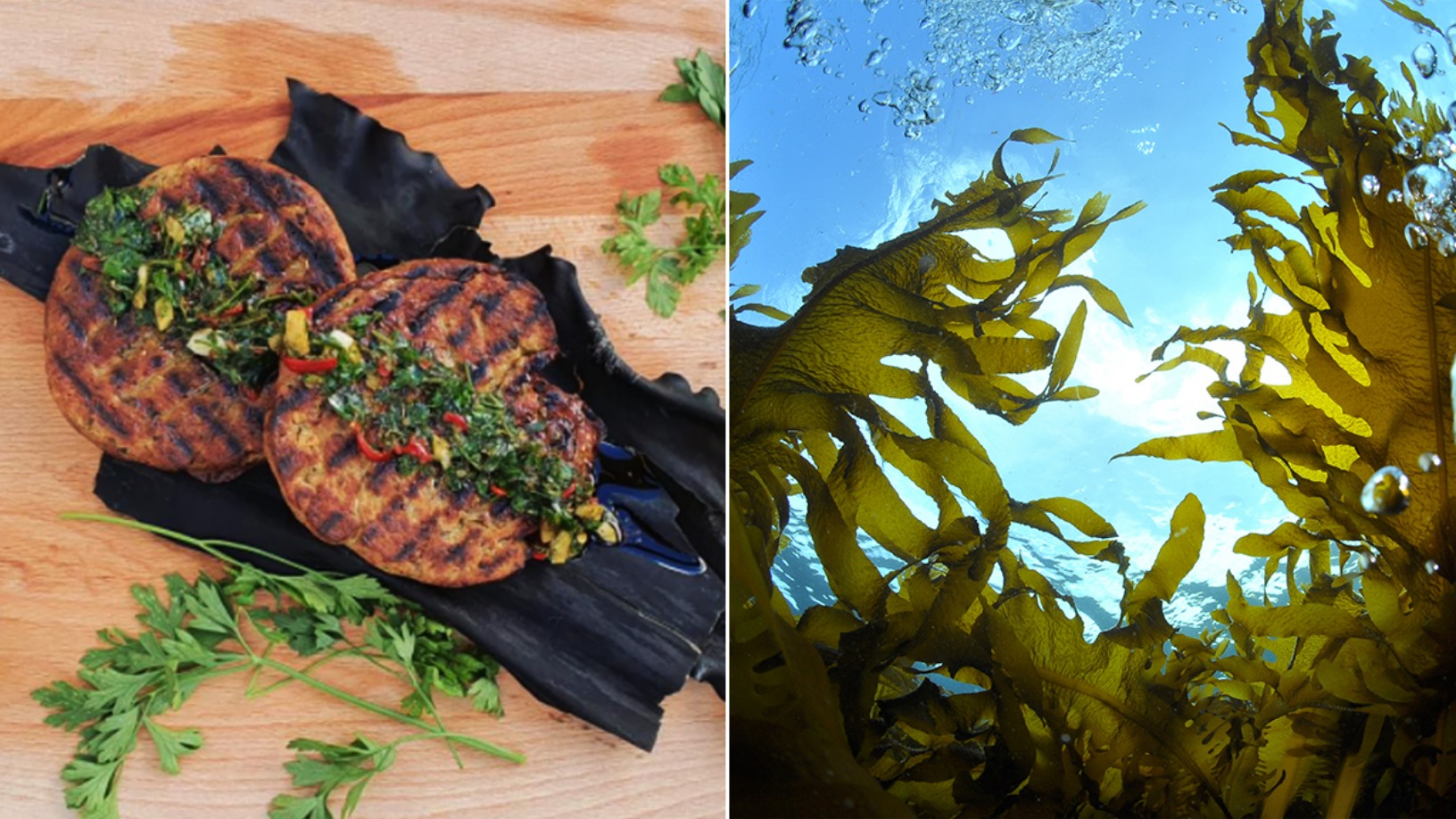
Plantruption: Transforming Irish seaweed into sustainable alt-protein seafood
Using abundant local seaweed as highly nutritious, eco-friendly alternatives to fish, the Dublin-based startup is gearing up to tap into new markets in Europe and the US
How Xiaomi founder Lei Jun became a billionaire by pursuing passion, not fortune
From young man deconstructing and rebuilding smartphones at Kingsoft to top of the smartphone world as founder and chair of Xiaomi, Lei has always let his interests lead the way

Waste management startup Magalarva aims for profitability with new factory, B2B services
Partnerships with supermarkets and waste transporters provide Magalarva with new revenue streams and sources of production input as the company ramps up its manufacturing activities

Diamond Foundry: Growing conflict-free, eco-friendly diamonds in a lab
The world’s first lab-grown diamond producer certified carbon-neutral, Diamond Foundry became a unicorn recently with a $200m investment from Fidelity, adding to earlier funding from tech billionaires

Sheetgo: Easy and secure cloud-powered spreadsheet data at your fingertips
Named Most Scalable Product at South Summit 2018, Sheetgo turns spreadsheets into data clouds for business users around the world

The summer LinkedIn got pummeled in China
Or how the startup Maimai cracked Chinese professional networking

Farm Friend: World’s first agri-drone sharing platform wins over users, investors
Gone are the days of the lone Chinese farmer toiling under the sun. Now drones are here to help – and there’s even a drone sharing platform too

The rising Indonesian edtech star wants to help high-school dropouts earn their diploma and learn the relevant skills to find a job – with an innovative solution lauded at this year’s MIT Solve Challenge

3D printing foodtech Natural Machines joins Euronext's pre-IPO training program
With its 3D printed vegan candies and snowflake pizzas, Natural Machines already has more than 300 companies using its Foodini food printer, which it’s upgrading with laser tech for simultaneous cooking too

"Spot" your friends, live chat and share music with this social mapping app
Spot, a new challenger to China's WeChat, is using pop-up song lyrics to entice youths to live chat and play games

Sorry, we couldn’t find any matches for “Contain Inc”.