Entrepreneur First
-
DATABASE (633)
-
ARTICLES (682)
LeapFrog Investments is an impact-focused investor, managing over $1.6bn in assets mainly investing in Africa and Asia. Its “profit with purpose” has led to investments in startups that provide healthcare, financial services and insurance for low-income consumers. Since it was founded in 2007, LeapFrog has attracted funds from Prudential, AXA, Swiss Re and Omidyar Network, becoming the first impact investor in the world to reach the $1bn milestone. It’s headquartered in South Africa and Singapore.LeapFrog is best known for its investments in the insurance sector. One of the most prominent companies in its portfolio is BIMA, the mobile-based insurance provider that has provided coverage in Ghana, Bangladesh, Cambodia and many other countries. In 2020, LeapFrog invested in Indonesian startup PasarPolis, which is a broker for a wide range of microinsurance products. In the healthcare and biotechnology sectors, LeapFrog has funded Indian genetic diagnostics company MedGenome, as well as Goodlife Pharmacy, a Kenyan company providing access to affordable medicine in the East African country.


LeapFrog Investments is an impact-focused investor, managing over $1.6bn in assets mainly investing in Africa and Asia. Its “profit with purpose” has led to investments in startups that provide healthcare, financial services and insurance for low-income consumers. Since it was founded in 2007, LeapFrog has attracted funds from Prudential, AXA, Swiss Re and Omidyar Network, becoming the first impact investor in the world to reach the $1bn milestone. It’s headquartered in South Africa and Singapore.LeapFrog is best known for its investments in the insurance sector. One of the most prominent companies in its portfolio is BIMA, the mobile-based insurance provider that has provided coverage in Ghana, Bangladesh, Cambodia and many other countries. In 2020, LeapFrog invested in Indonesian startup PasarPolis, which is a broker for a wide range of microinsurance products. In the healthcare and biotechnology sectors, LeapFrog has funded Indian genetic diagnostics company MedGenome, as well as Goodlife Pharmacy, a Kenyan company providing access to affordable medicine in the East African country.
Commercial Director and co-founder of Digitanimal by SensoWave
An industrial engineer by training, Rubén Blanco Carrera comes from a family of ranchers in Cabañas, 18 km from Ávila, Spain. Currently he is Commercial Director and co-founder of IoT startup SensoWave, as well as its brand Digitanimal, aimed at remote farming. The business idea of Digitanimal partly came about because of Blanco’s personal experience with his own livestock. Using IoT remote tracking, detecting heat and parturition through the use of sensors , which are analyzed to reflect the behavior of the cattle and notify alert ranchers to the anomalies detected, he was able to save a mother and calf from a difficult delivery. In another incident, the technology helped alert him to the attack of wolves. Blanco holds both a first degree and a master's degree from Madrid's Alfonso X El Sabio University, the former in Technical Engineering in Industrial and Product Design and the latter in Industrial Engineering and Industrial Electronics. He then worked as an industrial engineer at both private company Retailgas and at Alfa Imaging, the startup co-founded by Carlos Callejero, with whom Blanco later co-founded SensoWave.

An industrial engineer by training, Rubén Blanco Carrera comes from a family of ranchers in Cabañas, 18 km from Ávila, Spain. Currently he is Commercial Director and co-founder of IoT startup SensoWave, as well as its brand Digitanimal, aimed at remote farming. The business idea of Digitanimal partly came about because of Blanco’s personal experience with his own livestock. Using IoT remote tracking, detecting heat and parturition through the use of sensors , which are analyzed to reflect the behavior of the cattle and notify alert ranchers to the anomalies detected, he was able to save a mother and calf from a difficult delivery. In another incident, the technology helped alert him to the attack of wolves. Blanco holds both a first degree and a master's degree from Madrid's Alfonso X El Sabio University, the former in Technical Engineering in Industrial and Product Design and the latter in Industrial Engineering and Industrial Electronics. He then worked as an industrial engineer at both private company Retailgas and at Alfa Imaging, the startup co-founded by Carlos Callejero, with whom Blanco later co-founded SensoWave.
CEO and founder of SOURCE Global (formerly Zero Mass Water)
Cody Frieson is the US founder and CEO of SOURCE Global (formerly Zero Mass Water), the first off-grid drinking water production tech based on solar-powered panels. The Arizona State University Fulton Engineering School professor of innovation invented the Hydropanel, the key to SOURCE’s technology, and continues to teach part-time at the university. He is also a fellow at both the NGO Aspen Institute, which is committed to realizing a free, just and equitable society, and also at Unreasonable – an entity composed of entrepreneurs, institutions and investors dedicated to “discover profit in solving global problems.”Frieson was also previously founder, president and CTO of rechargeable zinc battery startup Fluidic Energy, another of his inventions, where he worked from 2007 to 2013, when it was acquired and became NantEnergy. In 2019, Freison won the Lemelson-MIT Student Prize for innovations to benefit the world – the US’ most prestigious student innovation award with a $500,000 prize. Frieson holds a PhD in Materials Science and Engineering from The Massachusetts Institute of Technology (MIT).

Cody Frieson is the US founder and CEO of SOURCE Global (formerly Zero Mass Water), the first off-grid drinking water production tech based on solar-powered panels. The Arizona State University Fulton Engineering School professor of innovation invented the Hydropanel, the key to SOURCE’s technology, and continues to teach part-time at the university. He is also a fellow at both the NGO Aspen Institute, which is committed to realizing a free, just and equitable society, and also at Unreasonable – an entity composed of entrepreneurs, institutions and investors dedicated to “discover profit in solving global problems.”Frieson was also previously founder, president and CTO of rechargeable zinc battery startup Fluidic Energy, another of his inventions, where he worked from 2007 to 2013, when it was acquired and became NantEnergy. In 2019, Freison won the Lemelson-MIT Student Prize for innovations to benefit the world – the US’ most prestigious student innovation award with a $500,000 prize. Frieson holds a PhD in Materials Science and Engineering from The Massachusetts Institute of Technology (MIT).
Co-founder, CCO of Cocuus
Patxi Larumbe is the Spanish CCO and co-founder at 3D printing food tech and cell-based meat startup Cocuus, where he has worked since he co-founded it in 2017. Before Cocuus, Larumbe founded and directed eight other companies, the majority, like Cocuus, also based in Pamplona, Navarre. During his extensive entrepreneurial career, Larumbe had experience with design and manufacturing in 3D processes, which he used to innovate in Cocuus. Before Cocuus, he was a director at his building materials distribution company, On Clima, for two years, which was preceded by a two-year stint heading up Tohama, an IoT tech developer for Somfy products. Prior to that, he was commercial director for 20 years at building services company Terradisa and also founded its Catalonia offices.From 2000–2013, Larumbe was the founder and board member at Acustica Arquitectonica, an acoustic architectural design company and from 1995–2005, he had the same responsibilities at his hospitality company, Ostatu Zaharra. Other companies he founded were were Render (1990–96), Netcorp Factory (1996–2000) and No Solo Futbol ("Not Just Soccer") (2000–2004). Larumbe studied electronics at first degree level in Pamplona.

Patxi Larumbe is the Spanish CCO and co-founder at 3D printing food tech and cell-based meat startup Cocuus, where he has worked since he co-founded it in 2017. Before Cocuus, Larumbe founded and directed eight other companies, the majority, like Cocuus, also based in Pamplona, Navarre. During his extensive entrepreneurial career, Larumbe had experience with design and manufacturing in 3D processes, which he used to innovate in Cocuus. Before Cocuus, he was a director at his building materials distribution company, On Clima, for two years, which was preceded by a two-year stint heading up Tohama, an IoT tech developer for Somfy products. Prior to that, he was commercial director for 20 years at building services company Terradisa and also founded its Catalonia offices.From 2000–2013, Larumbe was the founder and board member at Acustica Arquitectonica, an acoustic architectural design company and from 1995–2005, he had the same responsibilities at his hospitality company, Ostatu Zaharra. Other companies he founded were were Render (1990–96), Netcorp Factory (1996–2000) and No Solo Futbol ("Not Just Soccer") (2000–2004). Larumbe studied electronics at first degree level in Pamplona.
CEO and co-founder of Carbo Culture
Finnish native Pia Henrietta Moon, has been a scout leader since 2003. Her first job was in event management and tourism operations in India for Sunset Getaways & Insta tourism in 2007. While studying at the University of Economics and Business in Vienna, she met American engineer Christopher Carstens in 2013 at a global solutions innovation program organized by Singularity University in California. She left university in 2014 and co-founded Carbo Culture as CEO in 2016 with Carstens as CTO.In 2016, Moon also joined the electronics company Yleiselektroniikka as a board member, the youngest person in Finland to hold such a position in a listed company. Moon also founded edtech startup Mehackit in 2013 and became its chairwoman for four years. She exited both companies in 2018 to focus on running Carbo Culture.While at university, Moon also worked for over two years at Rails Girls, a not-for-profit for women in tech. In Finland, she joined the student entrepreneurship society in 2011 and completed an internship in 2010 at the Ministry for Foreign Affairs of Finland. In 2015, she joined the World Economic Forum’s Global Shapers youth community initiative in Helsinki.

Finnish native Pia Henrietta Moon, has been a scout leader since 2003. Her first job was in event management and tourism operations in India for Sunset Getaways & Insta tourism in 2007. While studying at the University of Economics and Business in Vienna, she met American engineer Christopher Carstens in 2013 at a global solutions innovation program organized by Singularity University in California. She left university in 2014 and co-founded Carbo Culture as CEO in 2016 with Carstens as CTO.In 2016, Moon also joined the electronics company Yleiselektroniikka as a board member, the youngest person in Finland to hold such a position in a listed company. Moon also founded edtech startup Mehackit in 2013 and became its chairwoman for four years. She exited both companies in 2018 to focus on running Carbo Culture.While at university, Moon also worked for over two years at Rails Girls, a not-for-profit for women in tech. In Finland, she joined the student entrepreneurship society in 2011 and completed an internship in 2010 at the Ministry for Foreign Affairs of Finland. In 2015, she joined the World Economic Forum’s Global Shapers youth community initiative in Helsinki.
CTO and co-founder of Aimentia
Eric Mourin is the Barcelona-based CTO and co-founder of Aimentia, which runs the first AI-powered virtual clinic for mental health patients. He met his fellow co-founder Edgar Jorba, who is now CEO of Aimentia, at the Open University of Catalonia. The company was established while both co-founders were still students.Mourin is a computer engineer by training. Prior to setting up Aimentia, he worked as a software engineer. He also spent close to two years working on a World Heath Organization (WHO) project involving the design and implementation of an IT system for the monitoring and control of neglected tropical diseases. This IT system equipped affected countries to make data-based decisions to reduce incidence of such endemic diseases, while allowing the WHO to efficiently monitor progress.Mourin holds a master’s in computer and information systems security from the Open University of Catalonia as well as a bachelor’s in computer engineering from the Polytechnic University of Catalonia.

Eric Mourin is the Barcelona-based CTO and co-founder of Aimentia, which runs the first AI-powered virtual clinic for mental health patients. He met his fellow co-founder Edgar Jorba, who is now CEO of Aimentia, at the Open University of Catalonia. The company was established while both co-founders were still students.Mourin is a computer engineer by training. Prior to setting up Aimentia, he worked as a software engineer. He also spent close to two years working on a World Heath Organization (WHO) project involving the design and implementation of an IT system for the monitoring and control of neglected tropical diseases. This IT system equipped affected countries to make data-based decisions to reduce incidence of such endemic diseases, while allowing the WHO to efficiently monitor progress.Mourin holds a master’s in computer and information systems security from the Open University of Catalonia as well as a bachelor’s in computer engineering from the Polytechnic University of Catalonia.
Co-founder, CTO of Meatable
Daan Luining is the Dutch co-founder and CTO at cell-based meat startup Meatable, the first to claim a highly scalable culture technology, where he has worked since 2018. He is also a research director at the Cellular Agriculture Society in Leiden, a joint initiative for cell-based startups to share knowledge and to collaborate on projects to further scale the sector. Luining is also on the board of directors at the not-for-profit Cultured Meat Foundation that promotes sector innovation. His past posts have all been in the area of research, either as a researcher or a technician, and at the same time as completing studies. His last job was as a research strategist at New York-based New Harvest, a callular food rsearch funding body, where he worked for a year and met Dr. Kotter, the inventor of Meatable’s cellular technology. His research positions from 2009–15 were in the area of cell culture, mass spectrometry and DNA sequencing at the Maastricht University, University Medical Center Amsterdam, Utrecht University and Leiden University. Luining holds a master’s in biological sciences from Leiden University in the Netherlands.

Daan Luining is the Dutch co-founder and CTO at cell-based meat startup Meatable, the first to claim a highly scalable culture technology, where he has worked since 2018. He is also a research director at the Cellular Agriculture Society in Leiden, a joint initiative for cell-based startups to share knowledge and to collaborate on projects to further scale the sector. Luining is also on the board of directors at the not-for-profit Cultured Meat Foundation that promotes sector innovation. His past posts have all been in the area of research, either as a researcher or a technician, and at the same time as completing studies. His last job was as a research strategist at New York-based New Harvest, a callular food rsearch funding body, where he worked for a year and met Dr. Kotter, the inventor of Meatable’s cellular technology. His research positions from 2009–15 were in the area of cell culture, mass spectrometry and DNA sequencing at the Maastricht University, University Medical Center Amsterdam, Utrecht University and Leiden University. Luining holds a master’s in biological sciences from Leiden University in the Netherlands.
Capricorn Investment Group is one of the world’s largest mission-aligned investment companies, managing more than $6bn in multi-asset class portfolios for families, foundations and institutional investors. Notably, it manages the investment portfolio of Jeff Skoll, the first President of eBay, and his charitable organization. The company has offices in Silicon Valley and New York. It has invested in 63 companies to date, many aimed at tackling key challenges facing our world today. It has managed 14 exits to date, including Tesla. Its main focus is on technology and sustainability, with a particular interest in deeptech, aerospace, transport, agtech, healthcare and energy. The firm’s most recent disclosed investments were in May 2021, via participation in the $100m Series B round of Canadian quantum computing startup Xanadu and the $28m Series B round of US geothermal tech company Fervo Energy.

Capricorn Investment Group is one of the world’s largest mission-aligned investment companies, managing more than $6bn in multi-asset class portfolios for families, foundations and institutional investors. Notably, it manages the investment portfolio of Jeff Skoll, the first President of eBay, and his charitable organization. The company has offices in Silicon Valley and New York. It has invested in 63 companies to date, many aimed at tackling key challenges facing our world today. It has managed 14 exits to date, including Tesla. Its main focus is on technology and sustainability, with a particular interest in deeptech, aerospace, transport, agtech, healthcare and energy. The firm’s most recent disclosed investments were in May 2021, via participation in the $100m Series B round of Canadian quantum computing startup Xanadu and the $28m Series B round of US geothermal tech company Fervo Energy.
Founded in 2013 by Ramanan Raghavendran and John Kim, Amasia is a venture capital investment firm based in San Francisco and Singapore. The VC promotes environmental and sustainable innovations that help to reduce consumption, boost recycling and upcycling. Eco-investments include Finch, Treedots and Joro. Finch provides information about a product’s environmental impact to consumers while TreeDots connects grocery suppliers directly with businesses and households. Joro advises users on actionable steps to reduce their carbon footprints.Amasia primarily invests in startups from seed stage up to Series B, but it has also participated in later-stage investments. The VC also aims to encourage conventional offline businesses to go online and optimize supply chain activities. In October 2020, Amasia participated in a $100m Series E round raised by Dialpad, a remote working communication software firm. In September 2021, the VC took a stake in Indonesian fintech Xendit’s $150m Series C round. Tokopedia also joined the Amasia stable in 2016 when the e-commerce platform became Indonesia’s first tech unicorn after the $147m funding round.Other investments include Super, a social commerce platform that improves FMCG distribution to tier-2 and tier-3 cities in Indonesia, online education firm SkillShare and Rainforest Life that acquires and aggregates direct-to-consumer e-commerce brands.

Founded in 2013 by Ramanan Raghavendran and John Kim, Amasia is a venture capital investment firm based in San Francisco and Singapore. The VC promotes environmental and sustainable innovations that help to reduce consumption, boost recycling and upcycling. Eco-investments include Finch, Treedots and Joro. Finch provides information about a product’s environmental impact to consumers while TreeDots connects grocery suppliers directly with businesses and households. Joro advises users on actionable steps to reduce their carbon footprints.Amasia primarily invests in startups from seed stage up to Series B, but it has also participated in later-stage investments. The VC also aims to encourage conventional offline businesses to go online and optimize supply chain activities. In October 2020, Amasia participated in a $100m Series E round raised by Dialpad, a remote working communication software firm. In September 2021, the VC took a stake in Indonesian fintech Xendit’s $150m Series C round. Tokopedia also joined the Amasia stable in 2016 when the e-commerce platform became Indonesia’s first tech unicorn after the $147m funding round.Other investments include Super, a social commerce platform that improves FMCG distribution to tier-2 and tier-3 cities in Indonesia, online education firm SkillShare and Rainforest Life that acquires and aggregates direct-to-consumer e-commerce brands.
CEO and co-founder of Xendit
Moses Lo comes from an entrepreneurial family, his father acquired a failing business in Australia and turned it into a successful company. The family business inspired Lo to start his own fashion business in Australia after graduating in finance and commerce at the University of New South Wales in 2010.Lo initially gained work experience as an analyst in 2008 as part of his undergraduate finance and commerce programs in Australia. In 2011, he became an associate at the Boston Consulting Group in Australia. After two years, he was promoted to senior associate but left BCG in 2013 to focus on his menswear ventures until 2014.Lo decided to get first-hand tech startup experience in the Silicon Valley, working at Amazon while completing an MBA program at the University of California, Berkeley. In 2015, he decided to established a P2P payments platform Xendit in Indonesia. The platform has since pivoted into a payment gateway service and became a unicorn in 2021, with Lo as CEO based in California and Jakarta. He was also featured in Forbes’ 30 Under 30 list for Asian figures in finance and venture capital in 2016.

Moses Lo comes from an entrepreneurial family, his father acquired a failing business in Australia and turned it into a successful company. The family business inspired Lo to start his own fashion business in Australia after graduating in finance and commerce at the University of New South Wales in 2010.Lo initially gained work experience as an analyst in 2008 as part of his undergraduate finance and commerce programs in Australia. In 2011, he became an associate at the Boston Consulting Group in Australia. After two years, he was promoted to senior associate but left BCG in 2013 to focus on his menswear ventures until 2014.Lo decided to get first-hand tech startup experience in the Silicon Valley, working at Amazon while completing an MBA program at the University of California, Berkeley. In 2015, he decided to established a P2P payments platform Xendit in Indonesia. The platform has since pivoted into a payment gateway service and became a unicorn in 2021, with Lo as CEO based in California and Jakarta. He was also featured in Forbes’ 30 Under 30 list for Asian figures in finance and venture capital in 2016.
Co-founder of Meatable
Mark Kotter is the Austrian co-founder at Dutch cell-based meat startup Meatable, the first to use pluripotent stem cells and claim a highly scalable culture technology, which was developed by Kotter prior to founding the startup in 2018. He is also founder at his biotech startup, bit.bio, which is based in Cambridge, UK, since 2016, where he applies his cellular technological innovation to human stem cell research and has raised investments totaling $42m. His main full-time position is at the University of Cambridge, where he has worked since 2009. He has spent more than five years as a clinician-scientist in stem cell research and was previously a lecturer in neurosurgery. Kotter also lectures at Paris Descartes University and is a team leader at the UK’s National Institute for Health Research’s Brain Injury MedTech Co-operative. He also founded Myelopathy.org to raise awareness of cervical myelopathy. His past positions were as a research group leader at the Max Planck Institute for Experimental Medicine for one year, and for two years spent at the Medical University of Vienna. Kotter holds two doctorates; one in philosophy from the University of Cambridge and the other in medicine from the University of Graz in Austria. Kotter also holds a master’s in philosophy from the University of Cambridge.

Mark Kotter is the Austrian co-founder at Dutch cell-based meat startup Meatable, the first to use pluripotent stem cells and claim a highly scalable culture technology, which was developed by Kotter prior to founding the startup in 2018. He is also founder at his biotech startup, bit.bio, which is based in Cambridge, UK, since 2016, where he applies his cellular technological innovation to human stem cell research and has raised investments totaling $42m. His main full-time position is at the University of Cambridge, where he has worked since 2009. He has spent more than five years as a clinician-scientist in stem cell research and was previously a lecturer in neurosurgery. Kotter also lectures at Paris Descartes University and is a team leader at the UK’s National Institute for Health Research’s Brain Injury MedTech Co-operative. He also founded Myelopathy.org to raise awareness of cervical myelopathy. His past positions were as a research group leader at the Max Planck Institute for Experimental Medicine for one year, and for two years spent at the Medical University of Vienna. Kotter holds two doctorates; one in philosophy from the University of Cambridge and the other in medicine from the University of Graz in Austria. Kotter also holds a master’s in philosophy from the University of Cambridge.
Early-stage-focused VC firm with a €24m first fund mainly investing in B2B and B2C digital startups headquartered in Spain. Initial investment amounts range between €70,000 and €300,000, and followup investment amounts go up to €1m per company. Describing themselves as “momentum investors” seeking quick time-to-market projects, Encomenda Smart Capital was founded in 2017 and managed by renowned Spanish angel investors Carlos Blanco, Oriol Juncosa and Miguel Sanz Sanchez, along with a network of angel investors Encomenda supports the growth of startups' portfolios and helps startups to scale at national and international levels. Encomenda invests 30% in SaaS and in projects with a recurring income model; 20% are fintech, and they also bet on the human resources, edtech and healthcare. Just two out of 25 investments have folded up between 2017 and 2020, with half the fund monies committed. Encomenda is seeking to launch a second fund in 2022 focusing on Spanish and Portuguese startups, of €40m–€50m, and multi-stage, by starting in the early-stage investments, with follow-through investments in subsequent stages.

Early-stage-focused VC firm with a €24m first fund mainly investing in B2B and B2C digital startups headquartered in Spain. Initial investment amounts range between €70,000 and €300,000, and followup investment amounts go up to €1m per company. Describing themselves as “momentum investors” seeking quick time-to-market projects, Encomenda Smart Capital was founded in 2017 and managed by renowned Spanish angel investors Carlos Blanco, Oriol Juncosa and Miguel Sanz Sanchez, along with a network of angel investors Encomenda supports the growth of startups' portfolios and helps startups to scale at national and international levels. Encomenda invests 30% in SaaS and in projects with a recurring income model; 20% are fintech, and they also bet on the human resources, edtech and healthcare. Just two out of 25 investments have folded up between 2017 and 2020, with half the fund monies committed. Encomenda is seeking to launch a second fund in 2022 focusing on Spanish and Portuguese startups, of €40m–€50m, and multi-stage, by starting in the early-stage investments, with follow-through investments in subsequent stages.
CEO and Founder of Didimo
Argentinian-born Verónica Costa Orvalho is a veteran in animation technology. In 2016, she became the CEO and founder of Didimo that was inspired by an earlier venture Face In Motion, established in 2007 to focus on cinematic quality and animation production of faces. Orvalho won the award for the AI and virtual reality category at a Women Startup Challenge event held in New York in 2017. Orvalho has a long academic track record in related fields, beginning with a first degree in Software Engineering from the University of Belgrano in Buenos Aires. She moved to Barcelona and obtained a master's degree in Videogame Design and Development at University Pompeu Fabra where she continued to work on creating a facial animation system “For CG Films”. She later completed her PhD at the Polytechnic University of Catalonia with her thesis: Fast and Reusable Facial Rigging and Animation to develop an application that could speed up the traditional “slowing rigging” process. She has worked at Ericsson as a systems analyst and was a producer at the Argentinian film company Patagonik Film Group that helped to produce the Oscar-winning movie El hijo de la novia. She worked for four years as the founder of Panorama Consulting, a consultancy focusing on developing systems for the medical, logistics and entertainment industries. Since 2003, she has lectured in different institutions, including Porto University's Porto Interactive Center as its specialist in facial animation since 2008.

Argentinian-born Verónica Costa Orvalho is a veteran in animation technology. In 2016, she became the CEO and founder of Didimo that was inspired by an earlier venture Face In Motion, established in 2007 to focus on cinematic quality and animation production of faces. Orvalho won the award for the AI and virtual reality category at a Women Startup Challenge event held in New York in 2017. Orvalho has a long academic track record in related fields, beginning with a first degree in Software Engineering from the University of Belgrano in Buenos Aires. She moved to Barcelona and obtained a master's degree in Videogame Design and Development at University Pompeu Fabra where she continued to work on creating a facial animation system “For CG Films”. She later completed her PhD at the Polytechnic University of Catalonia with her thesis: Fast and Reusable Facial Rigging and Animation to develop an application that could speed up the traditional “slowing rigging” process. She has worked at Ericsson as a systems analyst and was a producer at the Argentinian film company Patagonik Film Group that helped to produce the Oscar-winning movie El hijo de la novia. She worked for four years as the founder of Panorama Consulting, a consultancy focusing on developing systems for the medical, logistics and entertainment industries. Since 2003, she has lectured in different institutions, including Porto University's Porto Interactive Center as its specialist in facial animation since 2008.
The European Investment Bank is a pan-European investor based in Luxembourg, and the only bank owned by European Union member states. Founded in 1958, the banks has invested in thousands of businesses and public and private infrastructure projects. It is the largest multilateral borrower and lender by volume and also now has an SME tech focus, with recipients needing to have sustainable business model and, usually, a European focus. In December 2020, the EIB launched a new €150m co-investment fund to support startups leveraging AI across Europe to address what it called “the multibillion-euro funding gap compared with the United States and China.” Its most recent investments include a €20m investment in the €32m Series C round of Portuguese international online print store 360imprimir (BIZAY) and its first spacetech investment, €20m in venture debt investment to Luxembourg-based Spire Global that is building a satellite constellation, both in December 2020.In 4Q 2020, it also invested €10m in Spanish industrial IoT startup Worldsensing, €15m in German identity verification platform IDnow and €15 in German sportstech platform KINEXON.

The European Investment Bank is a pan-European investor based in Luxembourg, and the only bank owned by European Union member states. Founded in 1958, the banks has invested in thousands of businesses and public and private infrastructure projects. It is the largest multilateral borrower and lender by volume and also now has an SME tech focus, with recipients needing to have sustainable business model and, usually, a European focus. In December 2020, the EIB launched a new €150m co-investment fund to support startups leveraging AI across Europe to address what it called “the multibillion-euro funding gap compared with the United States and China.” Its most recent investments include a €20m investment in the €32m Series C round of Portuguese international online print store 360imprimir (BIZAY) and its first spacetech investment, €20m in venture debt investment to Luxembourg-based Spire Global that is building a satellite constellation, both in December 2020.In 4Q 2020, it also invested €10m in Spanish industrial IoT startup Worldsensing, €15m in German identity verification platform IDnow and €15 in German sportstech platform KINEXON.
With currently over $21bn of AUM, Baring Private Equity Asia (BPEA) was started in Hong Kong in 1997 by Jean Eric Salata, as the regional Asian PE investment arm of UK-based Baring Private Equity Partners. With $300m in its first fund, it focused on riding China’s economic rise spurred by the country’s market liberalization. In 2000, Salata led a management buyout of BPEA and continues to head the firm today as CEO and Founding Partner. BPEA has invested in more than 100 companies, across healthcare, logistics, IT services, media, education, financial services and retail. It is one of the largest independent PE firms in Asia and has eight offices across the continent.With offices in China, India, Japan, Australia, and Singapore, it currently has around 43 portfolio companies, almost all Asia-based, across multiple business segments in tech and non-tech startups, especially in bricks-and-mortar education establishments. It also makes acquisitions, including most recently of US outsourcing services company Virtusa in February 2021.Other recent investments include in the June 2021 $85m Series C round of Portuguese home physiotherapy tech solution SWORD Health, the world’s fastest-growing musculoskeletal solution, and in the November 2020 $198m Series D round of Chinese computer coding for kids edtech Codemao.

With currently over $21bn of AUM, Baring Private Equity Asia (BPEA) was started in Hong Kong in 1997 by Jean Eric Salata, as the regional Asian PE investment arm of UK-based Baring Private Equity Partners. With $300m in its first fund, it focused on riding China’s economic rise spurred by the country’s market liberalization. In 2000, Salata led a management buyout of BPEA and continues to head the firm today as CEO and Founding Partner. BPEA has invested in more than 100 companies, across healthcare, logistics, IT services, media, education, financial services and retail. It is one of the largest independent PE firms in Asia and has eight offices across the continent.With offices in China, India, Japan, Australia, and Singapore, it currently has around 43 portfolio companies, almost all Asia-based, across multiple business segments in tech and non-tech startups, especially in bricks-and-mortar education establishments. It also makes acquisitions, including most recently of US outsourcing services company Virtusa in February 2021.Other recent investments include in the June 2021 $85m Series C round of Portuguese home physiotherapy tech solution SWORD Health, the world’s fastest-growing musculoskeletal solution, and in the November 2020 $198m Series D round of Chinese computer coding for kids edtech Codemao.
Francisco Polo: The former entrepreneur heading Spain's Digital Advancement
He's been charged to transform Spain into an entrepreneurial nation, and a technological and innovation frontrunner

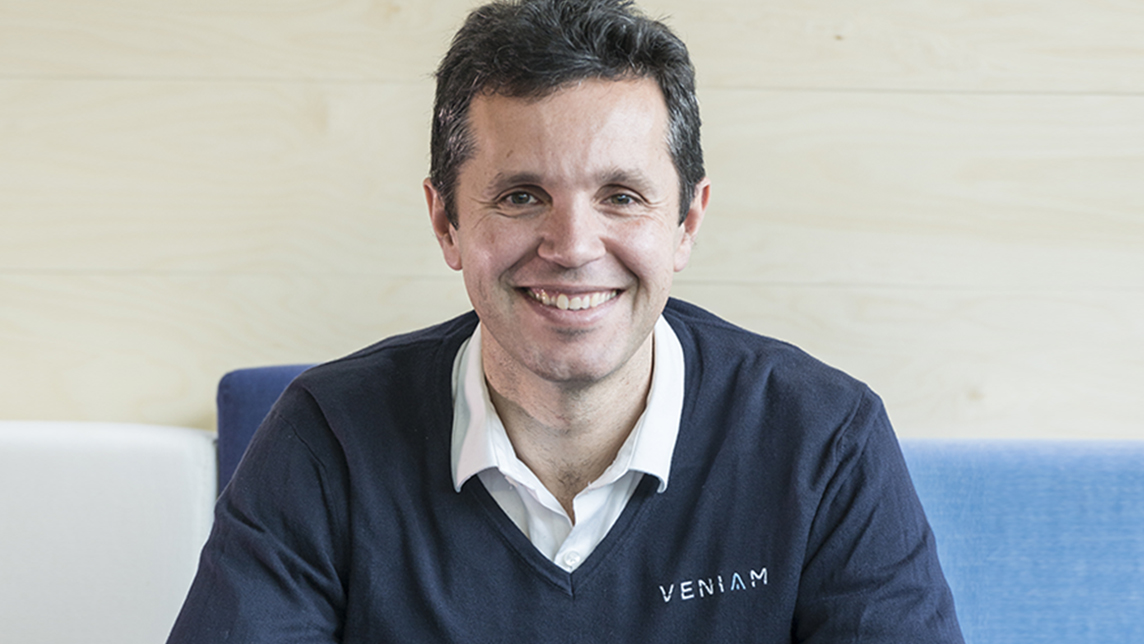
A Q&A with the Veniam founder and CEO
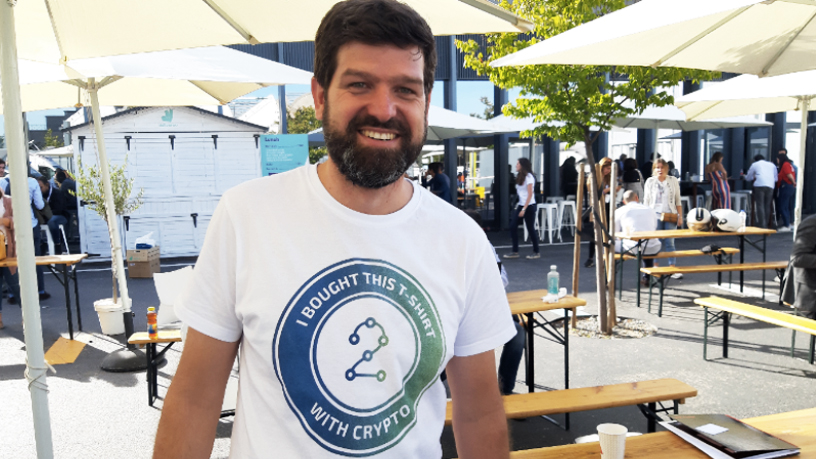
2gether: The world's first crypto-collaborative financial platform
Banking on the opportunities afforded by blockchain, 2gether is owned by its customers who get commission-free financial services in euros and cryptocurrency
Tiantian Xuenong: China's first pay-for-knowledge agricultural platform
Capitalizing on a deep understanding of Chinese agriculture, this startup is building an online school where farmers can learn agricultural and business skills

Bob Xu, one of China's first and most successful angel investors
Known for his whimsical investment style, Xu has caught a number of unicorns

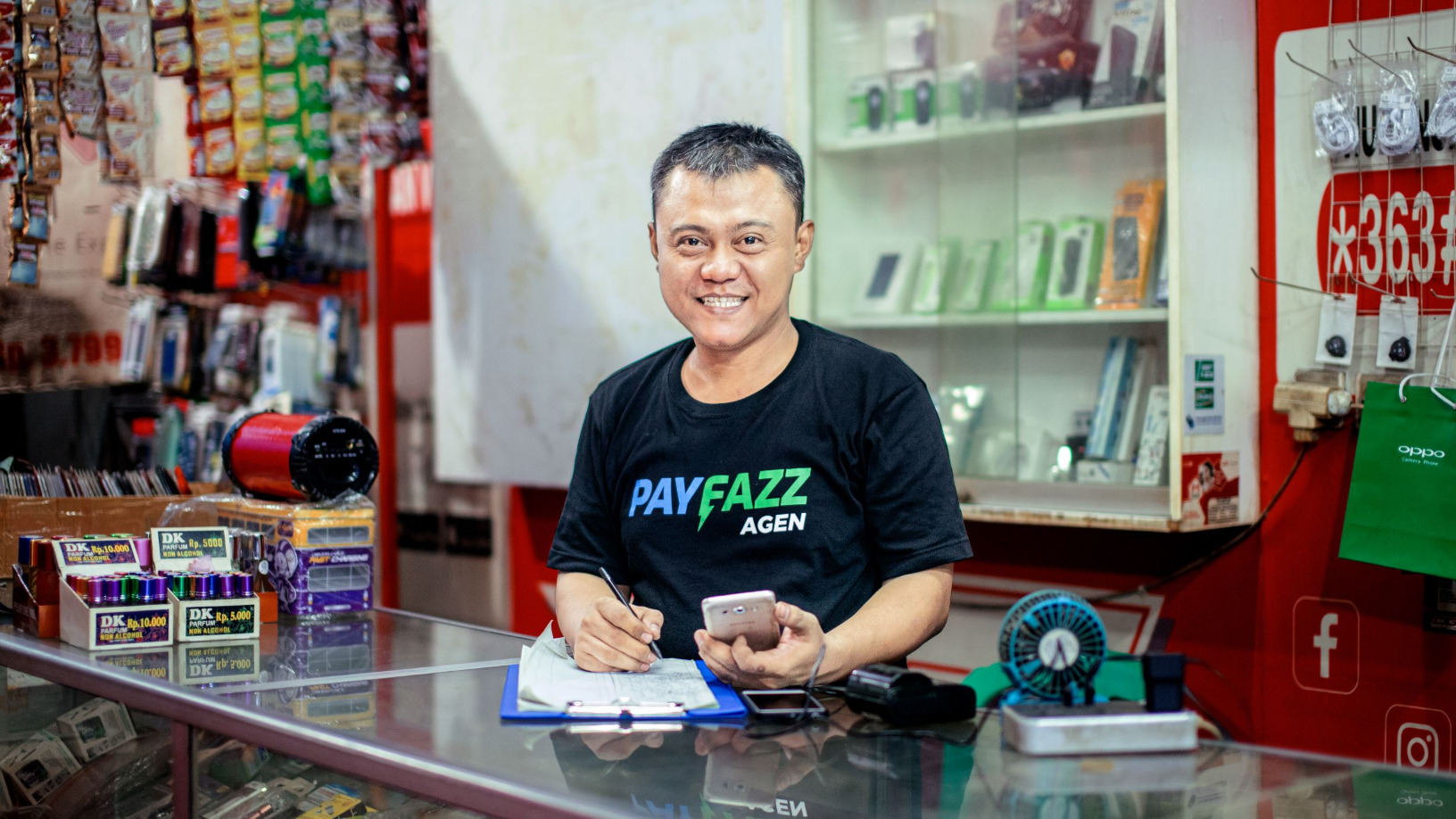
Payfazz aims to be Indonesia's first on-demand financial services company
Handling transactions averaging over IDR 1tn monthly, Payfazz hopes to bring the benefits of banking to all Indonesians
HumanITcare: The first real-time symptom tracker for mental illness patients
FollowHealth’s HumanITcare app combines wearables, analytics and AI to monitor and improve outcomes for sufferers of depression, schizophrenia, alcoholism and more

RecyGlo, Myanmar's first circular economy waste management system, targets regional growth
Turning trash into cash, Yangon-based recycling pioneer RecyGlo wants to extend its zero-waste circular economy model to the rest of Southeast Asia

Bound4Blue’s aeronautical tech propels first sustainable shipping vessel in the Pacific
Winning €5m fresh funding, Bound4Blue also scores with its EC-backed pilot, the first of its kind, offering new possibilities to cargo vessels seeking sustainable transportation

Neil Shen: The super unicorn hunter
His bet on ByteDance, the startup that gave the world TikTok, helped Neil Shen top this year's Forbes Midas List. But for Shen, even in that deal he once made the wrong call

Farm Friend: World’s first agri-drone sharing platform wins over users, investors
Gone are the days of the lone Chinese farmer toiling under the sun. Now drones are here to help – and there’s even a drone sharing platform too

Backed by Kleiner Perkins, Spotahome clinches Spain’s first Silicon Valley-led funding
Now in Europe’s US$500 billion home rental market, the Spanish proptech will soon expand to LatAm, the US and Asia

Kibus Petcare: World's first auto-cook and -dispense healthy pet food device
Kibus Petcare applies the healthy eating revolution to the ever-growing pet-care business, eyes sales in 25 countries after crowdfunding launch
SoccerDream: World's first VR soccer training platform to launch in China, US
SoccerDream uses virtual reality to boost trainee players' performance on the field by 36% compared to their peers

FROGS: Overcoming challenges to launch Indonesia's first drone-taxi for daily commutes
The Yogyakarta-based startup backed by UMG Idealab seeks more technical resources to launch Indonesia's first homegrown “flying taxi,” after the success of its agritech drones

Sorry, we couldn’t find any matches for “Entrepreneur First”.
POPULAR DATABASE