M
-
DATABASE (2758)
-
ARTICLES (56)
Co-founder of SWORD Health
David Dieteren Ribeiro had aspired to become a professional underwater welder, but as fate would have it, he was exposed to the world of electronics and would go on to pursue an education in the field, culminating in a master’s in Electronics and Telecommunications from the University of Aveiro. Dieteren has since used his knowledge to co-found two companies, Findster Technologies, a dual pet tracker and fitness tech, and SWORD Health, the first remote physiotherapy tech. Dieteren currently lives in the Netherlands where he works as Process Control Engineer for Sitech Services.

David Dieteren Ribeiro had aspired to become a professional underwater welder, but as fate would have it, he was exposed to the world of electronics and would go on to pursue an education in the field, culminating in a master’s in Electronics and Telecommunications from the University of Aveiro. Dieteren has since used his knowledge to co-found two companies, Findster Technologies, a dual pet tracker and fitness tech, and SWORD Health, the first remote physiotherapy tech. Dieteren currently lives in the Netherlands where he works as Process Control Engineer for Sitech Services.
Co-founder of Findster, Founder and CEO of SWORD Health
Having seen his parents struggle to provide his brother with intensive physical rehabilitation, Virgílio Bento (b. 1984) understood the many pain points faced by the patients and their families. Bento graduated from the University of Aveiro with a master’s in Electronics and Telecommunications Engineering, and went on to pursue a PhD in Electrical Engineering. There, he developed SWORD Phoenix which would go on to be the technology behind SWORD Health, a startup Bento founded and of which he is currently CEO. Bento is also a co-founder of Findster Technologies, a dual pet tracker and fitness tech.

Having seen his parents struggle to provide his brother with intensive physical rehabilitation, Virgílio Bento (b. 1984) understood the many pain points faced by the patients and their families. Bento graduated from the University of Aveiro with a master’s in Electronics and Telecommunications Engineering, and went on to pursue a PhD in Electrical Engineering. There, he developed SWORD Phoenix which would go on to be the technology behind SWORD Health, a startup Bento founded and of which he is currently CEO. Bento is also a co-founder of Findster Technologies, a dual pet tracker and fitness tech.
Co-founder and VP of Operations of Xurya
Philip Effendy is the VP of operations at solar power startup Xurya. Prior to establishing the company with Gusmantara Himawan and Edwin Widjonarko, he was an investment associate at early-stage venture capital firm East Ventures, where he handled deal sourcing and portfolio management tasks. He also had a one year stint in the global operations of Disney ABC Television after completing his education in the USA.Effendy graduated from the University of Southern California with a bachelor in Business Administration, specializing in Management and Operations.

Philip Effendy is the VP of operations at solar power startup Xurya. Prior to establishing the company with Gusmantara Himawan and Edwin Widjonarko, he was an investment associate at early-stage venture capital firm East Ventures, where he handled deal sourcing and portfolio management tasks. He also had a one year stint in the global operations of Disney ABC Television after completing his education in the USA.Effendy graduated from the University of Southern California with a bachelor in Business Administration, specializing in Management and Operations.
CEO and founder of Swan Daojia (formerly 58 Daojia)
Chen received a bachelor’s degree in material formation from Xiangtan University in 2004. While in college, he co-founded 0755.org.cn, one of the earliest online classifieds providers in China. He is also a co-founder of dunsh.org, a nonprofit search engine optimization website in China. After graduation, he served as senior project manager and chief editor at Xiamen Haowei Network Technology. From June–December 2007, Chen served as head of the product department at ganji.com, an online classified site, responsible for product management and customer experience. He then joined 58.com the same year, serving as senior VP of product management and website operation from December 2007 to August 2014.In November 2014, he founded 58 Daojia and has served as CEO since then. In August 2017, 58 Daojia announced a merger with 58 Su Yun and Gogovan, a logistics platform in Southeast Asia, and he became Chairman of the new company. The merger created Asia's largest city-to-city cargo delivery platform. In 2018, 58 Daojia was rebranded as Daojia Group. The group’s 58 Su Yun received $250m funding and was relaunched as Kuaigou Express.

Chen received a bachelor’s degree in material formation from Xiangtan University in 2004. While in college, he co-founded 0755.org.cn, one of the earliest online classifieds providers in China. He is also a co-founder of dunsh.org, a nonprofit search engine optimization website in China. After graduation, he served as senior project manager and chief editor at Xiamen Haowei Network Technology. From June–December 2007, Chen served as head of the product department at ganji.com, an online classified site, responsible for product management and customer experience. He then joined 58.com the same year, serving as senior VP of product management and website operation from December 2007 to August 2014.In November 2014, he founded 58 Daojia and has served as CEO since then. In August 2017, 58 Daojia announced a merger with 58 Su Yun and Gogovan, a logistics platform in Southeast Asia, and he became Chairman of the new company. The merger created Asia's largest city-to-city cargo delivery platform. In 2018, 58 Daojia was rebranded as Daojia Group. The group’s 58 Su Yun received $250m funding and was relaunched as Kuaigou Express.
CEO, co-founder of Teliman
Hawa Traore is CEO and co-founder at Teliman, Mali’s first on-demand mobility startup and one of francophone Africa’s first, where she has worked since its launch in 2018. She initially worked as COO for one year before becoming CEO. Before that, Traore worked as an engineer at one of Europe’s largest nuclear power plants, the European Pressurized Reactor (EPR) Flamanville 3 in France, for 4.5 years in construction planning and in project management. Previously, Traore completed a stint at Zodiac Aerospace as an engineer testing the life cycle of Airbus A320-200 cabins. The Malian national has a degree in mechanical and industrial engineering from Paris’ École Nationale Supérieure d’Arts et Metiers and also holds a bachelor’s degree in mathematics.

Hawa Traore is CEO and co-founder at Teliman, Mali’s first on-demand mobility startup and one of francophone Africa’s first, where she has worked since its launch in 2018. She initially worked as COO for one year before becoming CEO. Before that, Traore worked as an engineer at one of Europe’s largest nuclear power plants, the European Pressurized Reactor (EPR) Flamanville 3 in France, for 4.5 years in construction planning and in project management. Previously, Traore completed a stint at Zodiac Aerospace as an engineer testing the life cycle of Airbus A320-200 cabins. The Malian national has a degree in mechanical and industrial engineering from Paris’ École Nationale Supérieure d’Arts et Metiers and also holds a bachelor’s degree in mathematics.
CEO and co-founder of Bygen
Lewis Dunnigan is a researcher turned entrepreneur based in Australia. After earning a master’s degree in Chemical Engineering and working as a researcher at the University of Edinburgh in the UK, Dunnigan returned to Australia. He had a brief stint as a visiting researcher and earned his PhD in Chemical Engineering at the University of Adelaide.During his PhD, Dunnigan was a part of Philip Kwong’s research laboratory. His PhD project involved developing a system to generate activated charcoal and renewable energy from biomass. In 2017, Dunnigan, Kwong, and fellow PhD student Ben Morton decided to commercialize this technology and established a spin-off company called Bygen, which developed a low-cost, novel way to make activated carbon more sustainably using various forms of agricultural waste. Dunnigan is now the CEO of Bygen.

Lewis Dunnigan is a researcher turned entrepreneur based in Australia. After earning a master’s degree in Chemical Engineering and working as a researcher at the University of Edinburgh in the UK, Dunnigan returned to Australia. He had a brief stint as a visiting researcher and earned his PhD in Chemical Engineering at the University of Adelaide.During his PhD, Dunnigan was a part of Philip Kwong’s research laboratory. His PhD project involved developing a system to generate activated charcoal and renewable energy from biomass. In 2017, Dunnigan, Kwong, and fellow PhD student Ben Morton decided to commercialize this technology and established a spin-off company called Bygen, which developed a low-cost, novel way to make activated carbon more sustainably using various forms of agricultural waste. Dunnigan is now the CEO of Bygen.
Technical advisor and co-founder of Bygen
Philip Kwong is a lecturer and researcher at the University of Adelaide’s School of Chemical Engineering and Advanced Materials. He joined the university in 2009 and focuses on developing low-cost technologies that can facilitate a transition from fossil fuels to renewable energy. One of his ongoing research projects primarily deals with the conversion of agricultural waste into biochar, a form of charcoal that can act as a feedstock for making activated carbon and for sequestering carbon.In 2017, Kwong and two PhD students in his research group, Ben Morton and Lewis Dunnigan, began commercialization of the waste-to-activated carbon technology they had developed. A spin-off company called Bygen was established, with Dunnigan and Morton leading the startup. Kwong is a co-founder and technical advisor of the company.

Philip Kwong is a lecturer and researcher at the University of Adelaide’s School of Chemical Engineering and Advanced Materials. He joined the university in 2009 and focuses on developing low-cost technologies that can facilitate a transition from fossil fuels to renewable energy. One of his ongoing research projects primarily deals with the conversion of agricultural waste into biochar, a form of charcoal that can act as a feedstock for making activated carbon and for sequestering carbon.In 2017, Kwong and two PhD students in his research group, Ben Morton and Lewis Dunnigan, began commercialization of the waste-to-activated carbon technology they had developed. A spin-off company called Bygen was established, with Dunnigan and Morton leading the startup. Kwong is a co-founder and technical advisor of the company.
CTO and co-founder of The Not Company (NotCo)
Karim Pichara has a PhD in Computer Science from the Catholic University of Chile where he has been working for over 10 years since 2010. From 2011, Karim Pichara has also been working as a research associate at the Institute of Applied Computer Science, Harvard University, specializing in data mining and machine learning for astronomy. In November 2015, while at Harvard, Pichara and Matías Muchnick co-founded a plant-based foodtech, The Not Company (NotCo). Pichara became the CTO and headed the development of NotCo’s algorithm called “Giuseppe” that can analyze molecular structures of animal-based food to create similar plant-based food that cater to the human perception of taste and texture.

Karim Pichara has a PhD in Computer Science from the Catholic University of Chile where he has been working for over 10 years since 2010. From 2011, Karim Pichara has also been working as a research associate at the Institute of Applied Computer Science, Harvard University, specializing in data mining and machine learning for astronomy. In November 2015, while at Harvard, Pichara and Matías Muchnick co-founded a plant-based foodtech, The Not Company (NotCo). Pichara became the CTO and headed the development of NotCo’s algorithm called “Giuseppe” that can analyze molecular structures of animal-based food to create similar plant-based food that cater to the human perception of taste and texture.
Senior Scientific Advisor and co-founder of The Not Company (NotCo)
Pablo Zamora is a biotechnologist from the University of Santiago, where he worked as a professor and research scientist until 2008. In 2009, he started his postdoctoral research on Mexico’s maize genetics at UC Davis Life Science Innovation Center. He worked there as a senior scientist and associate until 2014. In 2015, he was appointed the center’s Chief Science Officer based in Chile, a position he was in till January 2018.From 2013–2015, he also worked on various plant and microbe genomics projects as a senior scientist in Mars Advanced Research Institute. He was also an editor from 2012–2017 at the Journal of Technology Management & Innovation and worked at the non-profit PIPRA from 2010–2018 as international alliance manager in Sacramento, University of California.In 2015, he co-founded The Not Company (NotCo) based in Santiago. He was appointed CSO in February 2018, a role he led until March 2020, when he left the company to focus on a new project, AptaBuilder, a $60m program that promotes R&D for Chilean technology-based ventures. Zamora still consults as NotCo’s senior scientific advisor.
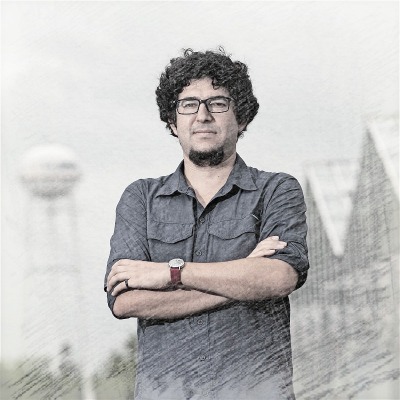
Pablo Zamora is a biotechnologist from the University of Santiago, where he worked as a professor and research scientist until 2008. In 2009, he started his postdoctoral research on Mexico’s maize genetics at UC Davis Life Science Innovation Center. He worked there as a senior scientist and associate until 2014. In 2015, he was appointed the center’s Chief Science Officer based in Chile, a position he was in till January 2018.From 2013–2015, he also worked on various plant and microbe genomics projects as a senior scientist in Mars Advanced Research Institute. He was also an editor from 2012–2017 at the Journal of Technology Management & Innovation and worked at the non-profit PIPRA from 2010–2018 as international alliance manager in Sacramento, University of California.In 2015, he co-founded The Not Company (NotCo) based in Santiago. He was appointed CSO in February 2018, a role he led until March 2020, when he left the company to focus on a new project, AptaBuilder, a $60m program that promotes R&D for Chilean technology-based ventures. Zamora still consults as NotCo’s senior scientific advisor.
Co-Founder & CEO of Bipi
Hans Christ has worked internationally across Latin America, Europe and the USA. He is the co-founder of transport technology startup Bipi, a Spanish on-demand car rental app and Lollo Mobility, Bipi’s parent company and transport app company. He co-founded Colombia Cave Box Crossfit in 2013 and was previously Groupon Iberia’s Head of Goods, where he helped established its product department. Christ started his career as a Credit Manager in Walls Cargo Bank. Christ holds a Business Administration degree from Southern Methodist University (SMU) and an MBA in Marketing from the University of Dallas.

Hans Christ has worked internationally across Latin America, Europe and the USA. He is the co-founder of transport technology startup Bipi, a Spanish on-demand car rental app and Lollo Mobility, Bipi’s parent company and transport app company. He co-founded Colombia Cave Box Crossfit in 2013 and was previously Groupon Iberia’s Head of Goods, where he helped established its product department. Christ started his career as a Credit Manager in Walls Cargo Bank. Christ holds a Business Administration degree from Southern Methodist University (SMU) and an MBA in Marketing from the University of Dallas.
Co-Founder of Bipi
Fernando Jamie-Fernández is the co-founder of Bipi, a Spanish on-demand car rental app startup. He previously co-founded Colombia Acuanto, which offers alternative loans to small and medium enterprises (SMEs) and individuals. Jamie-Fernández is currently on Bipi’s Board of Directors and is a Managing Partner at Avianta Capital in Monterrey, Mexico.

Fernando Jamie-Fernández is the co-founder of Bipi, a Spanish on-demand car rental app startup. He previously co-founded Colombia Acuanto, which offers alternative loans to small and medium enterprises (SMEs) and individuals. Jamie-Fernández is currently on Bipi’s Board of Directors and is a Managing Partner at Avianta Capital in Monterrey, Mexico.
CEO and Co-founder of Cobee
Borja Aranguren Herrera has a MSc in Industrial Engineering specializing in both mechanical engineering and business administration. In 2012, he received a scholarship for an exchange program at the San Diego State University in California which he successfully completed with the best possible grades.Since 2018, he has been the CEO and co-founder of Cobee, a fast growing fintech app that helps companies manage employee benefits. Prior to this, Aranguren Herrera worked for several years as a consultant at McKinsey and late led strategy and business expansion at OnTruck, one of the most promising logistics startups in Spain.

Borja Aranguren Herrera has a MSc in Industrial Engineering specializing in both mechanical engineering and business administration. In 2012, he received a scholarship for an exchange program at the San Diego State University in California which he successfully completed with the best possible grades.Since 2018, he has been the CEO and co-founder of Cobee, a fast growing fintech app that helps companies manage employee benefits. Prior to this, Aranguren Herrera worked for several years as a consultant at McKinsey and late led strategy and business expansion at OnTruck, one of the most promising logistics startups in Spain.
Co-CEO and Co-founder of Notpla (formerly Skipping Rocks Lab)
Currently based in London, French national Pierre Yves Paslier completed a master’s in materials science and engineering from INSA in Lyon in 2010. In 2012, he went on to complete a master’s in industrial and product design at the Royal College of Art in London. He also studied innovation design engineering at Imperial College.After graduating in 2014, Paslier and university alumnus Rodrigo García González co-founded Skipping Rocks Lab that was pivoted as Notpla in 2019. Both are co-CEOs of the UK-based startup that develops compostable and edible packaging material made of seaweed and other plants.Before becoming an entrepreneur, Paslier worked as a packaging engineer for L’Oréal from 2010 to 2012. He has been invited to speak at TEDx conferences in Athens and Warwick to share his experience and innovative projects in packaging and product design. In 2020, he became an industrial advisory board member at Imperial College London Dyson School of Design Engineering. In 2019, he also became a fellow of the Royal Academy of Engineering Enterprise Hub.

Currently based in London, French national Pierre Yves Paslier completed a master’s in materials science and engineering from INSA in Lyon in 2010. In 2012, he went on to complete a master’s in industrial and product design at the Royal College of Art in London. He also studied innovation design engineering at Imperial College.After graduating in 2014, Paslier and university alumnus Rodrigo García González co-founded Skipping Rocks Lab that was pivoted as Notpla in 2019. Both are co-CEOs of the UK-based startup that develops compostable and edible packaging material made of seaweed and other plants.Before becoming an entrepreneur, Paslier worked as a packaging engineer for L’Oréal from 2010 to 2012. He has been invited to speak at TEDx conferences in Athens and Warwick to share his experience and innovative projects in packaging and product design. In 2020, he became an industrial advisory board member at Imperial College London Dyson School of Design Engineering. In 2019, he also became a fellow of the Royal Academy of Engineering Enterprise Hub.
Co-CEO and Co-founder of Notpla (formerly Skipping Rocks Lab)
Rodrigo García González graduated in Architecture at the Technical University of Madrid (ETSAM) in 2009 and also completed various PhD courses in advanced architecture at his alma mater.In 2006, the architect student joined an EU Asia-Link sustainable humane habitat program that included stints at the Centre for Environmental Planning and Technology (CEPT) University in India. He also won a SMILE scholarship to study industrial design at Pontificia Universidad Católica in Chile for one year. In 2011, he obtained a scholarship to study industrial design and business at Umeå Institute of Design in Sweden. In 2014, he completed two master’s programs in innovation design engineering run by London’s Imperial College and Royal College of Art.In July 2014, he co-founded Skipping Rocks Lab, that was later pivoted into Notpla, a UK-based startup that develops compostable and edible packaging materials made of seaweed and other plants.Since 2007, he has worked with various institutions in Europe, Latin America and the US including Cornell University, CEPT, Imperial College and Royal College of Art. In 2016, he became a senior lecturer for a degree program in product and furniture design at Kingston University.He has two patents for his work on structural and deployable systems. His designs have also been featured in prestigious art centers like the Cite de l'Architecture of Paris and the Venice Biennale of Architecture.Other projects include the Hop! suitcase that can follow the user by tracking the signal of the user’s mobile phone and Aer, an artificial cloud that can evaporate “drinkable” water from the sea. He also developed Zipizip, an architectural system that enables the construction of several floors of a building in a few hours.

Rodrigo García González graduated in Architecture at the Technical University of Madrid (ETSAM) in 2009 and also completed various PhD courses in advanced architecture at his alma mater.In 2006, the architect student joined an EU Asia-Link sustainable humane habitat program that included stints at the Centre for Environmental Planning and Technology (CEPT) University in India. He also won a SMILE scholarship to study industrial design at Pontificia Universidad Católica in Chile for one year. In 2011, he obtained a scholarship to study industrial design and business at Umeå Institute of Design in Sweden. In 2014, he completed two master’s programs in innovation design engineering run by London’s Imperial College and Royal College of Art.In July 2014, he co-founded Skipping Rocks Lab, that was later pivoted into Notpla, a UK-based startup that develops compostable and edible packaging materials made of seaweed and other plants.Since 2007, he has worked with various institutions in Europe, Latin America and the US including Cornell University, CEPT, Imperial College and Royal College of Art. In 2016, he became a senior lecturer for a degree program in product and furniture design at Kingston University.He has two patents for his work on structural and deployable systems. His designs have also been featured in prestigious art centers like the Cite de l'Architecture of Paris and the Venice Biennale of Architecture.Other projects include the Hop! suitcase that can follow the user by tracking the signal of the user’s mobile phone and Aer, an artificial cloud that can evaporate “drinkable” water from the sea. He also developed Zipizip, an architectural system that enables the construction of several floors of a building in a few hours.
CFO and co-founder of Scoobic Urban Mobility
José Enrique Díaz Buzón graduated in law at the University of Seville in 1999. He has a qualification in EU law, and a master’s in business consultancy. In 2005, he also studied labor relations at IE Business School in Madrid.In 1999, Díaz began practicing as a lawyer, specializing in commercial and corporate law and business consultancy. In 2016, he became the CFO, business development manager and co-founder of Scoobic Urban Mobility. The Spanish mobility startup and the co-founding team’s Passion Motorbike Factory aim to provide three-wheeled EVs and sustainable last-mile delivery solutions.

José Enrique Díaz Buzón graduated in law at the University of Seville in 1999. He has a qualification in EU law, and a master’s in business consultancy. In 2005, he also studied labor relations at IE Business School in Madrid.In 1999, Díaz began practicing as a lawyer, specializing in commercial and corporate law and business consultancy. In 2016, he became the CFO, business development manager and co-founder of Scoobic Urban Mobility. The Spanish mobility startup and the co-founding team’s Passion Motorbike Factory aim to provide three-wheeled EVs and sustainable last-mile delivery solutions.
Infinited Fiber: Producing biofibers for fashion to move toward circular economy
Supported by H&M, Adidas and textile manufacturers, Infinited Fiber is helping the world’s second most polluting industry go greener by turning industrial waste into regenerated biomaterials

Cautiously opportunistic: How Indonesian VCs are riding out the Covid-19 crisis
Indonesian VCs on how they are doing deals during Covid-19, and their advice to startups, from how to cut costs to M&A

Autodrive Solutions: Making driverless vehicles safer with high-precision positioning tech
A Spanish university's research on sophisticated weapons detection technology is being used to prevent accidents in the mobility and transport sectors


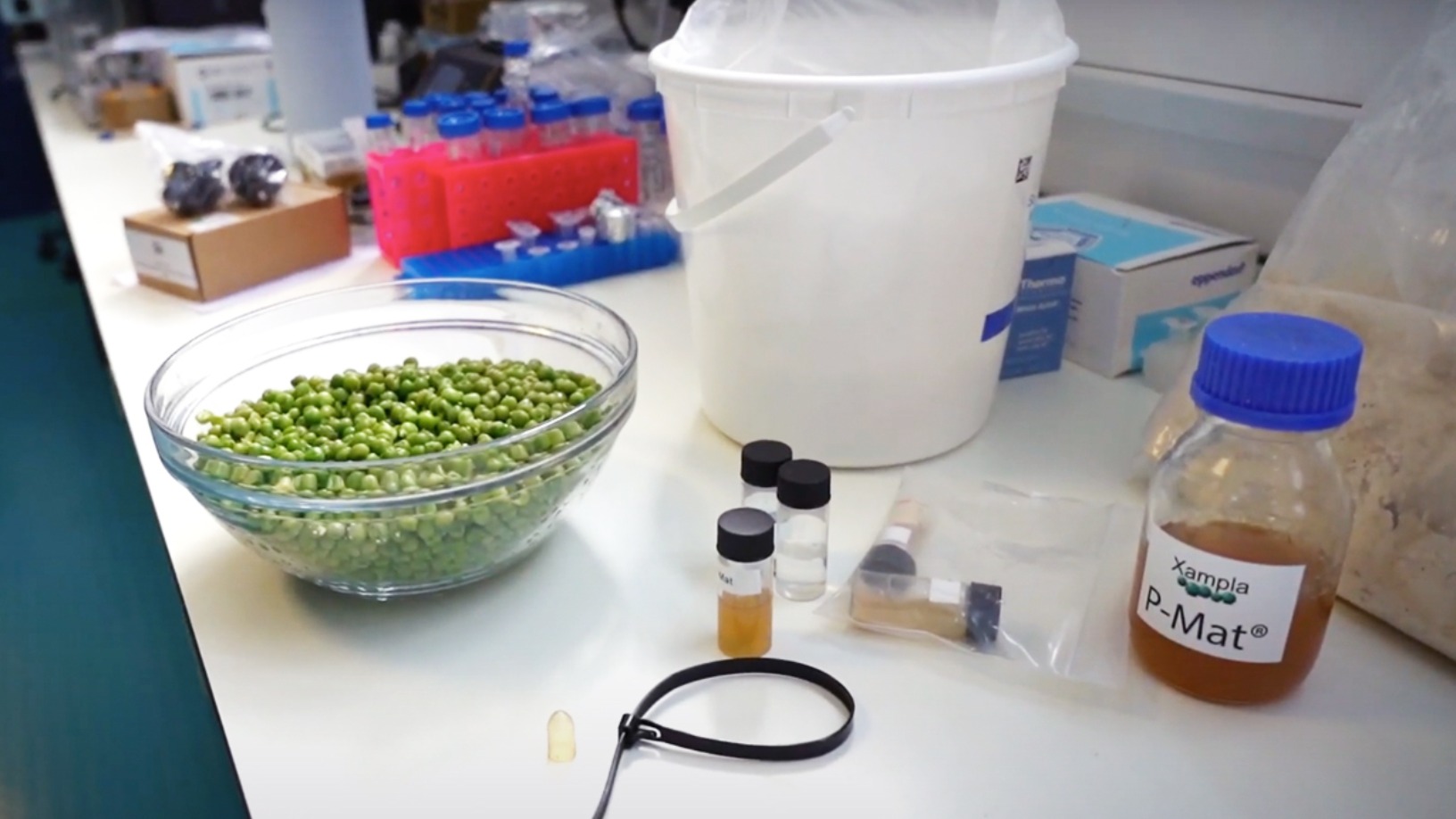
Xampla: Making strong, low-cost biodegradable plastic from peas
Inspired by the strength of spider silk, the Cambridge University spinoff has produced a plant-based, completely compostable alternative to microplastics
Carlos Guerrero: The legal guardian of tech startups
The lawyer and investor dives deep in the Spanish startup ecosystem, supporting young tech companies with both financial and specialized legal support

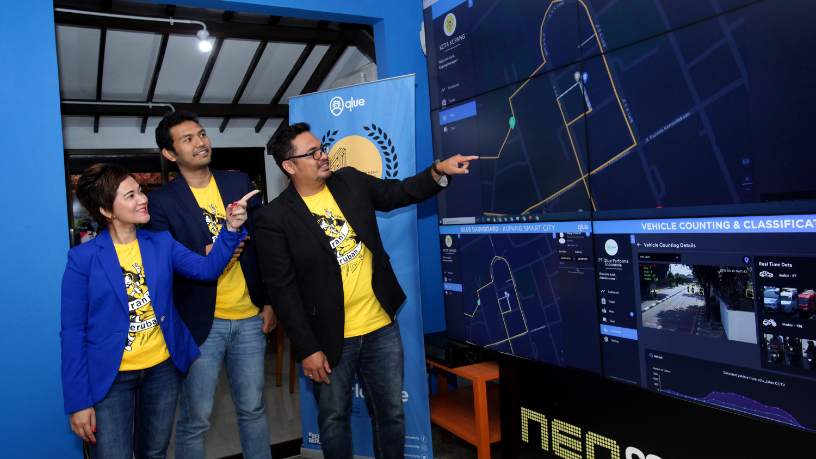
Qlue on international expansion, privacy concerns in smart cities
Qlue's CEO Rama Raditya and CCO Maya Arvini on protecting individual privacy when handling citizens' data in smart cities, the lack of clarity in regulation of use of facial recognition technology in Indonesia
Gojek acquires Indonesian POS startup Moka, gains greater share of SME fintech market
Deal reportedly worth $120m will add Moka's network of over 30,000 merchants to Gojek's reach

This voice technology startup empowers both developers and machines
AISpeech shifted its business from education to IoT but has always remained focused on voice interaction between humans and machines

After a Covid-led boom in 2020, what next for China's K-12 edtech?
Unicorns Yuanfudao and Zuoyebang raised more than $6bn combined last year as demand for online learning continues to grow, but some smaller players are running out of cash

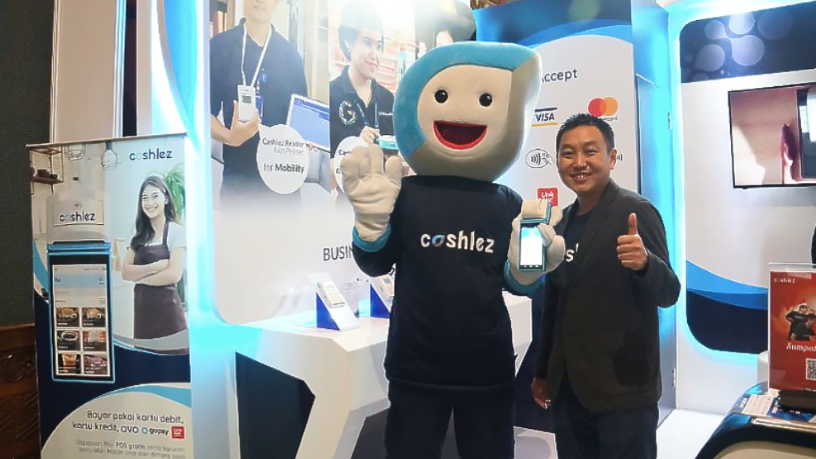
UPDATE: Indonesian mPOS startup Cashlez raises IDR 85bn from IPO in May
Cashlez is the first fintech company to list on the Indonesia Stock Exchange; will spend over 60% of proceeds to acquire payments company in toll road market
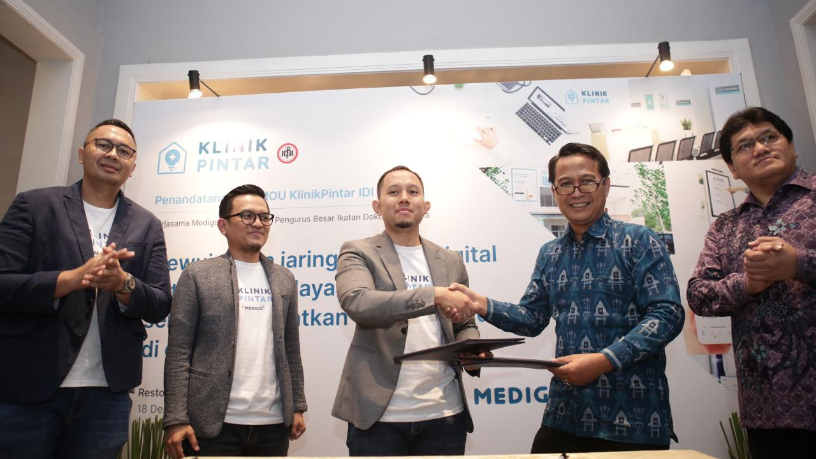
Medigo teams up with Indonesian Medical Association to launch primary care clinic network
Medigo aims to support healthcare operators with its clinic management SaaS, booking and medical records app for patients and more
TuSimple: Banking on autonomous trucking in the US
TuSimple aims to scale its Waymo-style driverless trucking network to disrupt the $4tn global truck freight market starting with the US, with mass production by 2024

Traveloka CTO Derianto Kusuma resigns
The co-founder cites a changing ecosystem and company direction for his decision, while hinting at a new venture
Indonesian angel investor network ANGIN launches agrifood incubator
Program targets ESG investment and builds on the strong potential of Indonesia’s agriculture sector, which kept growing despite the Covid-19 pandemic

A new unicorn rises as OVO's $1bn valuation confirmed
The Lippo Group subsidiary continues to grow in strength as it battles for market share with Gojek’s e-wallet and others

Sorry, we couldn’t find any matches for “M”.
POPULAR DATABASE