M
-
DATABASE (2758)
-
ARTICLES (56)
CEO and co-founder of HumanITcare
Núria Pastor is the CEO and co-founder of HumanITcare, a telemedicine platform for remote patient monitoring using real-world data and AI to treat patients affected by chronic diseases and also to accelerate drug development and clinical trials. Under the helm of Pastor the startup has doubled its user base and is poised to become a leading player in digital health. Pastor holds a bachelor’s in psychology from the University of Barcelona and a Masters in Research in neuroscience from the Autonomous University of Barcelona. Prior to HumanITcare, she worked as a researcher at the Hospital del Mar Research Institute and the University of Barcelona. She has also worked as Business Analyst in EIT Health and has mentored at the European Commission.

Núria Pastor is the CEO and co-founder of HumanITcare, a telemedicine platform for remote patient monitoring using real-world data and AI to treat patients affected by chronic diseases and also to accelerate drug development and clinical trials. Under the helm of Pastor the startup has doubled its user base and is poised to become a leading player in digital health. Pastor holds a bachelor’s in psychology from the University of Barcelona and a Masters in Research in neuroscience from the Autonomous University of Barcelona. Prior to HumanITcare, she worked as a researcher at the Hospital del Mar Research Institute and the University of Barcelona. She has also worked as Business Analyst in EIT Health and has mentored at the European Commission.
Co-founder, CTO of Visualfy
Angel Albiach Ruiz is the Spanish co-founder and CTO of Visualfy, the first hardware and app employing AI-enhanced sound recognition for the autonomy of the deaf, where he has worked since 2017. Prior to this, he was co-founder and co-manager at the startup’s forerunner, Valencia-based Fusió d'Arts Technology, a communications agency for the disabled from 2011 until its pivot into Visualfy. Before that, Albiach was founder and manager of his IT and company administration agency GX Informatica from 2007–2011. He previously worked as a technician in different firms in the Valencia region. Albiach has studied software development, webpage design, and hardware repair and maintenance at different Valencian colleges. He is a certified Scrum Master and is fluent in Spanish sign language.

Angel Albiach Ruiz is the Spanish co-founder and CTO of Visualfy, the first hardware and app employing AI-enhanced sound recognition for the autonomy of the deaf, where he has worked since 2017. Prior to this, he was co-founder and co-manager at the startup’s forerunner, Valencia-based Fusió d'Arts Technology, a communications agency for the disabled from 2011 until its pivot into Visualfy. Before that, Albiach was founder and manager of his IT and company administration agency GX Informatica from 2007–2011. He previously worked as a technician in different firms in the Valencia region. Albiach has studied software development, webpage design, and hardware repair and maintenance at different Valencian colleges. He is a certified Scrum Master and is fluent in Spanish sign language.
CEO and founder of SOURCE Global (formerly Zero Mass Water)
Cody Frieson is the US founder and CEO of SOURCE Global (formerly Zero Mass Water), the first off-grid drinking water production tech based on solar-powered panels. The Arizona State University Fulton Engineering School professor of innovation invented the Hydropanel, the key to SOURCE’s technology, and continues to teach part-time at the university. He is also a fellow at both the NGO Aspen Institute, which is committed to realizing a free, just and equitable society, and also at Unreasonable – an entity composed of entrepreneurs, institutions and investors dedicated to “discover profit in solving global problems.”Frieson was also previously founder, president and CTO of rechargeable zinc battery startup Fluidic Energy, another of his inventions, where he worked from 2007 to 2013, when it was acquired and became NantEnergy. In 2019, Freison won the Lemelson-MIT Student Prize for innovations to benefit the world – the US’ most prestigious student innovation award with a $500,000 prize. Frieson holds a PhD in Materials Science and Engineering from The Massachusetts Institute of Technology (MIT).

Cody Frieson is the US founder and CEO of SOURCE Global (formerly Zero Mass Water), the first off-grid drinking water production tech based on solar-powered panels. The Arizona State University Fulton Engineering School professor of innovation invented the Hydropanel, the key to SOURCE’s technology, and continues to teach part-time at the university. He is also a fellow at both the NGO Aspen Institute, which is committed to realizing a free, just and equitable society, and also at Unreasonable – an entity composed of entrepreneurs, institutions and investors dedicated to “discover profit in solving global problems.”Frieson was also previously founder, president and CTO of rechargeable zinc battery startup Fluidic Energy, another of his inventions, where he worked from 2007 to 2013, when it was acquired and became NantEnergy. In 2019, Freison won the Lemelson-MIT Student Prize for innovations to benefit the world – the US’ most prestigious student innovation award with a $500,000 prize. Frieson holds a PhD in Materials Science and Engineering from The Massachusetts Institute of Technology (MIT).
Co-founder and CEO of Ajaib
Anderson Sumarli is the CEO and co-founder of Ajaib, an online investment advisory startup. Anderson worked at JP Morgan and IBM before joining the Boston Consulting Group. He holds an MBA from the Stanford Graduate School of Business, as well as a bachelor’s in finance from Cornell University. He met Ajaib's two other co-founders during his time at these institutions.

Anderson Sumarli is the CEO and co-founder of Ajaib, an online investment advisory startup. Anderson worked at JP Morgan and IBM before joining the Boston Consulting Group. He holds an MBA from the Stanford Graduate School of Business, as well as a bachelor’s in finance from Cornell University. He met Ajaib's two other co-founders during his time at these institutions.
Co-founder of Ajaib
During her time as a consultant at McKinsey from 2012 to 2014, Yada Piyajomkwan worked with governments from the Association of South East Asian Nations (ASEAN) on financial inclusion. The topic became her focus of study when she enrolled at the Stanford Graduate School of Business’ MBA program as a Fulbright scholar. After earning her MBA, she and fellow Stanford alumnus Anderson Sumarli established online investment advisory startup Ajaib.

During her time as a consultant at McKinsey from 2012 to 2014, Yada Piyajomkwan worked with governments from the Association of South East Asian Nations (ASEAN) on financial inclusion. The topic became her focus of study when she enrolled at the Stanford Graduate School of Business’ MBA program as a Fulbright scholar. After earning her MBA, she and fellow Stanford alumnus Anderson Sumarli established online investment advisory startup Ajaib.
CEO and co-founder of iLoF
Recognized by Forbes as one of the Top 30 Under 30 for science and healthcare, Luís Valente completed a master’s thesis in electrical and computer engineering at the University of Porto in Portugal. He also has won awards at the Global Management Challenge and the Global Marketing Competition.In 2009, he founded Gadgets4All, an online store supplying novelty gadgets in Portugal. While running his online business, he worked at Eurosider in the steel sector for over eight years in the technical support and procurement and supply chain departments. He exited the online business in 2016.In 2018, Valente joined INESC Technology and Science as a researcher in project management, procurement & supply chains. In May 2019, he left to work as a business manager for seven months at Portuguese startup Veniam. Valente left Veniam to focus full-time as CEO and co-founder of iLoF.

Recognized by Forbes as one of the Top 30 Under 30 for science and healthcare, Luís Valente completed a master’s thesis in electrical and computer engineering at the University of Porto in Portugal. He also has won awards at the Global Management Challenge and the Global Marketing Competition.In 2009, he founded Gadgets4All, an online store supplying novelty gadgets in Portugal. While running his online business, he worked at Eurosider in the steel sector for over eight years in the technical support and procurement and supply chain departments. He exited the online business in 2016.In 2018, Valente joined INESC Technology and Science as a researcher in project management, procurement & supply chains. In May 2019, he left to work as a business manager for seven months at Portuguese startup Veniam. Valente left Veniam to focus full-time as CEO and co-founder of iLoF.
CTO and co-founder of iLoF
Joana Paiva graduated in 2014 with a master’s in biomedical engineering at the University of Coimbra in Portugal. She went on to complete a PhD in physics at the University of Porto in 2019.In 2014, she also worked at INESC Technology and Science for almost five years while completing her PhD thesis: Intelligent Lab on Fiber tools for sensing single-cells and extracellular nano-vesicles. It was her research that led to the founding of medtech startup iLoF.In August 2019, she co-founded iLoF as CTO. The Oxford-Oporto-based startup enables personalized medicine through the use of AI and photonics to create optical fingerprints in a cloud-based library to collate disease biomarkers and biological profiles.Based in Porto, she is also a co-inventor with three patents and 29 scientific publications. She is one of Forbes 30 Under 30 for science and healthcare and was nominated for the EIT Woman Award 2020.

Joana Paiva graduated in 2014 with a master’s in biomedical engineering at the University of Coimbra in Portugal. She went on to complete a PhD in physics at the University of Porto in 2019.In 2014, she also worked at INESC Technology and Science for almost five years while completing her PhD thesis: Intelligent Lab on Fiber tools for sensing single-cells and extracellular nano-vesicles. It was her research that led to the founding of medtech startup iLoF.In August 2019, she co-founded iLoF as CTO. The Oxford-Oporto-based startup enables personalized medicine through the use of AI and photonics to create optical fingerprints in a cloud-based library to collate disease biomarkers and biological profiles.Based in Porto, she is also a co-inventor with three patents and 29 scientific publications. She is one of Forbes 30 Under 30 for science and healthcare and was nominated for the EIT Woman Award 2020.
CSO and co-founder of iLoF
Paula Sampaio is a biochemist who completed a PhD in biomedical sciences at the University of Porto in 1998. She worked as a postdoctoral research fellow at the IMBC INEB Associate Laboratory for four years. In 2002, she was promoted to the role of head of advanced light microscopy and stayed there until 2015. Sampaio is now the national coordinator for Portuguese bioimage platform PPBI and the head of advanced light microscopy at the Institute of Research and Innovation of the University of Porto (i3S).In November 2019, she joined iLoF as CSO and co-founder. iLoF gets technical support from i3S at the R&D center in Porto. The medtech startup focuses on personalized medicine through the use of AI and photonics to create optical fingerprints in a cloud-based library to gather and manages disease biomarkers and biological profiles.

Paula Sampaio is a biochemist who completed a PhD in biomedical sciences at the University of Porto in 1998. She worked as a postdoctoral research fellow at the IMBC INEB Associate Laboratory for four years. In 2002, she was promoted to the role of head of advanced light microscopy and stayed there until 2015. Sampaio is now the national coordinator for Portuguese bioimage platform PPBI and the head of advanced light microscopy at the Institute of Research and Innovation of the University of Porto (i3S).In November 2019, she joined iLoF as CSO and co-founder. iLoF gets technical support from i3S at the R&D center in Porto. The medtech startup focuses on personalized medicine through the use of AI and photonics to create optical fingerprints in a cloud-based library to gather and manages disease biomarkers and biological profiles.
Co-CEO and co-founder of Pula
Dutch-born Rosa Goslinga has spent most of her career working in Africa and speaks five languages, including Swahili. She graduated in business, economics and international development at the University of Amsterdam in 2004. She also completed a master’s in political economy of development at the School for Oriental and African Studies (SOAS) in London in 2005.In 2006, she worked as an economist at the Ministry of Agriculture and Animal Resources in Rwanda where she realized there was an urgent need for small-scale farming insurance to protect the local farmers’ livelihoods against natural hazards.In 2008, she joined Syngenta Foundation for Sustainable Agriculture (SFSA) in Kenya, where she initiated a pilot Kilimo Salama in Nairobi as program director. The program was a success, starting with 185 farmers taking up index insurance and growing to be the largest in Africa with over 185,000 participants. Goslinga also met and started working with Thomas Njeru, the lead actuary for UAP Insurance for the Kilimo project.In 2013, with investors backing her project, she developed and patented a system and method for providing a site-related weather insurance contract. She left SFSA in 2014 and went on to set up Kenya’s pioneering insurtech Pula with Njeru as co-founder in 2015.Both are now co-CEOs of the Nairobi-based startup, education and helping over 4m small-scale farmers to protect their livelihoods from environmental hazards with tailor-made micro-finance and insurance products.
Dutch-born Rosa Goslinga has spent most of her career working in Africa and speaks five languages, including Swahili. She graduated in business, economics and international development at the University of Amsterdam in 2004. She also completed a master’s in political economy of development at the School for Oriental and African Studies (SOAS) in London in 2005.In 2006, she worked as an economist at the Ministry of Agriculture and Animal Resources in Rwanda where she realized there was an urgent need for small-scale farming insurance to protect the local farmers’ livelihoods against natural hazards.In 2008, she joined Syngenta Foundation for Sustainable Agriculture (SFSA) in Kenya, where she initiated a pilot Kilimo Salama in Nairobi as program director. The program was a success, starting with 185 farmers taking up index insurance and growing to be the largest in Africa with over 185,000 participants. Goslinga also met and started working with Thomas Njeru, the lead actuary for UAP Insurance for the Kilimo project.In 2013, with investors backing her project, she developed and patented a system and method for providing a site-related weather insurance contract. She left SFSA in 2014 and went on to set up Kenya’s pioneering insurtech Pula with Njeru as co-founder in 2015.Both are now co-CEOs of the Nairobi-based startup, education and helping over 4m small-scale farmers to protect their livelihoods from environmental hazards with tailor-made micro-finance and insurance products.
Co-CEO and co-founder of Pula
Kenyan-born Thomas Njeru co-founded insurtech Pula in 2015 and became its co-CEO in June 2017. Providing insurance to smallholder farmers was a key objective for Njeru, who grew up in a small farming community.After his education at Mangu High School, Njeru went on to graduate in actuarial science at the University of Nairobi in 2009. He became a fellow of the Institute of Actuaries in December 2011. He also completed a CFA financial analysis qualification in 2015 and MBA from Strathmore Business School in 2018.He worked at UAP Insurance for almost four years before joining Deloitte in South Africa in 2012 as a consulting actuary. In 2014, he was promoted to become director of actuarial and insurance advisory. He left in 2018 to focus on his work at Pula as co-CEO.

Kenyan-born Thomas Njeru co-founded insurtech Pula in 2015 and became its co-CEO in June 2017. Providing insurance to smallholder farmers was a key objective for Njeru, who grew up in a small farming community.After his education at Mangu High School, Njeru went on to graduate in actuarial science at the University of Nairobi in 2009. He became a fellow of the Institute of Actuaries in December 2011. He also completed a CFA financial analysis qualification in 2015 and MBA from Strathmore Business School in 2018.He worked at UAP Insurance for almost four years before joining Deloitte in South Africa in 2012 as a consulting actuary. In 2014, he was promoted to become director of actuarial and insurance advisory. He left in 2018 to focus on his work at Pula as co-CEO.
Co-founder, CEO of Higo Sense
Łukasz Krasnopolski is the Polish CEO and co-founder of medtech diagnostic hardware and app Higo Sense, where he has worked full-time since 2017. He has also been the CEO of Polish tech incubator ToReforge since 2015 and is a co-founder at gaming developer Walkabout Games, established in 2017. Krasnopolski has also been the owner of internet marketing agency Red2black since 2007 and was founder and co-owner at e-commerce-for-children startup more4kids.pl between 2008 and 2012, when he exited the company that is now listed on the Polish stock exchange. He is a supervisory board member at Cloud Technologies, a leader in online advertising and big-data cloud computing in Europe and holds a master’s in entrepreneurship from Warsaw’s Kosminski University.

Łukasz Krasnopolski is the Polish CEO and co-founder of medtech diagnostic hardware and app Higo Sense, where he has worked full-time since 2017. He has also been the CEO of Polish tech incubator ToReforge since 2015 and is a co-founder at gaming developer Walkabout Games, established in 2017. Krasnopolski has also been the owner of internet marketing agency Red2black since 2007 and was founder and co-owner at e-commerce-for-children startup more4kids.pl between 2008 and 2012, when he exited the company that is now listed on the Polish stock exchange. He is a supervisory board member at Cloud Technologies, a leader in online advertising and big-data cloud computing in Europe and holds a master’s in entrepreneurship from Warsaw’s Kosminski University.
Co-founder, CEO and Chairman of Feedzai
Nuno Sebastião is CEO and co-founder at Feedzai, the world’s market-leading digital solution in fighting online fraud and the fourth Portuguese unicorn, where he has worked full-time since 2010, from before its official launch. Since 2018, he has also been a senior advisor at Feedzai’s investor, the US-based VC Oak HC/FC. Prior to Feedzai, Sebastião was a product manager at the European Space Agency in Germany from 2006–10, where he led the development of the Satellite Simulation Infrastructure. Previously, he was Founder and CEO at his first startup, a company pioneering software validation for the aerospace sector, for just under two years, and worked as a consultant at Critical Software and Deloitte, for a total of three years.Sebastião holds two MBAs, one from London Business School and the other from UCLA, and completed his undergraduate studies in computer science at the University of Coimbra, Portugal.

Nuno Sebastião is CEO and co-founder at Feedzai, the world’s market-leading digital solution in fighting online fraud and the fourth Portuguese unicorn, where he has worked full-time since 2010, from before its official launch. Since 2018, he has also been a senior advisor at Feedzai’s investor, the US-based VC Oak HC/FC. Prior to Feedzai, Sebastião was a product manager at the European Space Agency in Germany from 2006–10, where he led the development of the Satellite Simulation Infrastructure. Previously, he was Founder and CEO at his first startup, a company pioneering software validation for the aerospace sector, for just under two years, and worked as a consultant at Critical Software and Deloitte, for a total of three years.Sebastião holds two MBAs, one from London Business School and the other from UCLA, and completed his undergraduate studies in computer science at the University of Coimbra, Portugal.
Co-founder and Chief Science Officer of Feedzai
Pedro Bizarro is Chief Science Officer and co-founder at Feedzai, the world’s market-leading solution in fighting online fraud and the fourth Portuguese unicorn, where he has worked full-time since 2008, from before its official launch. He is also a member of the Forbes Technology Council and a member of the IEEE’s Algorithmic Bias Working Group.His previous background involved working in academia in various posts. He spent five years at the University of Coimbra, where fellow Feedzai co-founder Nuno Sebastião was once his student, and occasionally taught at the US Carnegie Mellon University. Prior to these, he was a research assistant at the University of Wisconsin-Madison in the US.Bizarro holds a PhD in Computer Science from the University of Wisconsin-Madison.

Pedro Bizarro is Chief Science Officer and co-founder at Feedzai, the world’s market-leading solution in fighting online fraud and the fourth Portuguese unicorn, where he has worked full-time since 2008, from before its official launch. He is also a member of the Forbes Technology Council and a member of the IEEE’s Algorithmic Bias Working Group.His previous background involved working in academia in various posts. He spent five years at the University of Coimbra, where fellow Feedzai co-founder Nuno Sebastião was once his student, and occasionally taught at the US Carnegie Mellon University. Prior to these, he was a research assistant at the University of Wisconsin-Madison in the US.Bizarro holds a PhD in Computer Science from the University of Wisconsin-Madison.
Co-founder, CCO of Cocuus
Patxi Larumbe is the Spanish CCO and co-founder at 3D printing food tech and cell-based meat startup Cocuus, where he has worked since he co-founded it in 2017. Before Cocuus, Larumbe founded and directed eight other companies, the majority, like Cocuus, also based in Pamplona, Navarre. During his extensive entrepreneurial career, Larumbe had experience with design and manufacturing in 3D processes, which he used to innovate in Cocuus. Before Cocuus, he was a director at his building materials distribution company, On Clima, for two years, which was preceded by a two-year stint heading up Tohama, an IoT tech developer for Somfy products. Prior to that, he was commercial director for 20 years at building services company Terradisa and also founded its Catalonia offices.From 2000–2013, Larumbe was the founder and board member at Acustica Arquitectonica, an acoustic architectural design company and from 1995–2005, he had the same responsibilities at his hospitality company, Ostatu Zaharra. Other companies he founded were were Render (1990–96), Netcorp Factory (1996–2000) and No Solo Futbol ("Not Just Soccer") (2000–2004). Larumbe studied electronics at first degree level in Pamplona.

Patxi Larumbe is the Spanish CCO and co-founder at 3D printing food tech and cell-based meat startup Cocuus, where he has worked since he co-founded it in 2017. Before Cocuus, Larumbe founded and directed eight other companies, the majority, like Cocuus, also based in Pamplona, Navarre. During his extensive entrepreneurial career, Larumbe had experience with design and manufacturing in 3D processes, which he used to innovate in Cocuus. Before Cocuus, he was a director at his building materials distribution company, On Clima, for two years, which was preceded by a two-year stint heading up Tohama, an IoT tech developer for Somfy products. Prior to that, he was commercial director for 20 years at building services company Terradisa and also founded its Catalonia offices.From 2000–2013, Larumbe was the founder and board member at Acustica Arquitectonica, an acoustic architectural design company and from 1995–2005, he had the same responsibilities at his hospitality company, Ostatu Zaharra. Other companies he founded were were Render (1990–96), Netcorp Factory (1996–2000) and No Solo Futbol ("Not Just Soccer") (2000–2004). Larumbe studied electronics at first degree level in Pamplona.
Co-founder, COO of Cocuus
Daniel Rico Aldaz is the Spanish COO and co-founder at 3D printing food tech and cell-based meat startup Cocuus, where he has worked since he co-founded it in 2017. Before Cocuus, Rico founded an industrial design company, Rico Ingenio, which was established in 2009, where he continues to be a founding partner.His last full-time position before Cocuus was at systems automation company Kaizen for less than a year, where he headed up the technical office. Prior to that, Rico briefly led the computer-to-plate (CTP) and quality control departments at printers Estellaprint. For 15 years, until 2016, Rico was founder at his own industrial design company El Seis Y El Cuatro.Rico’s varied career has also seen him as head designer of children's parks and gyms at Mader Play, as an IT teacher at a worker’s foundation and as both a graphic and an artistic designer in two communication agencies and a lighting company. During his career, Rico has had experience with design and manufacturing in 3D processes, which he used to innovate in Cocuus. Rico did not attend university. He studied music and design at high school.

Daniel Rico Aldaz is the Spanish COO and co-founder at 3D printing food tech and cell-based meat startup Cocuus, where he has worked since he co-founded it in 2017. Before Cocuus, Rico founded an industrial design company, Rico Ingenio, which was established in 2009, where he continues to be a founding partner.His last full-time position before Cocuus was at systems automation company Kaizen for less than a year, where he headed up the technical office. Prior to that, Rico briefly led the computer-to-plate (CTP) and quality control departments at printers Estellaprint. For 15 years, until 2016, Rico was founder at his own industrial design company El Seis Y El Cuatro.Rico’s varied career has also seen him as head designer of children's parks and gyms at Mader Play, as an IT teacher at a worker’s foundation and as both a graphic and an artistic designer in two communication agencies and a lighting company. During his career, Rico has had experience with design and manufacturing in 3D processes, which he used to innovate in Cocuus. Rico did not attend university. He studied music and design at high school.
Infinited Fiber: Producing biofibers for fashion to move toward circular economy
Supported by H&M, Adidas and textile manufacturers, Infinited Fiber is helping the world’s second most polluting industry go greener by turning industrial waste into regenerated biomaterials

Cautiously opportunistic: How Indonesian VCs are riding out the Covid-19 crisis
Indonesian VCs on how they are doing deals during Covid-19, and their advice to startups, from how to cut costs to M&A

Autodrive Solutions: Making driverless vehicles safer with high-precision positioning tech
A Spanish university's research on sophisticated weapons detection technology is being used to prevent accidents in the mobility and transport sectors


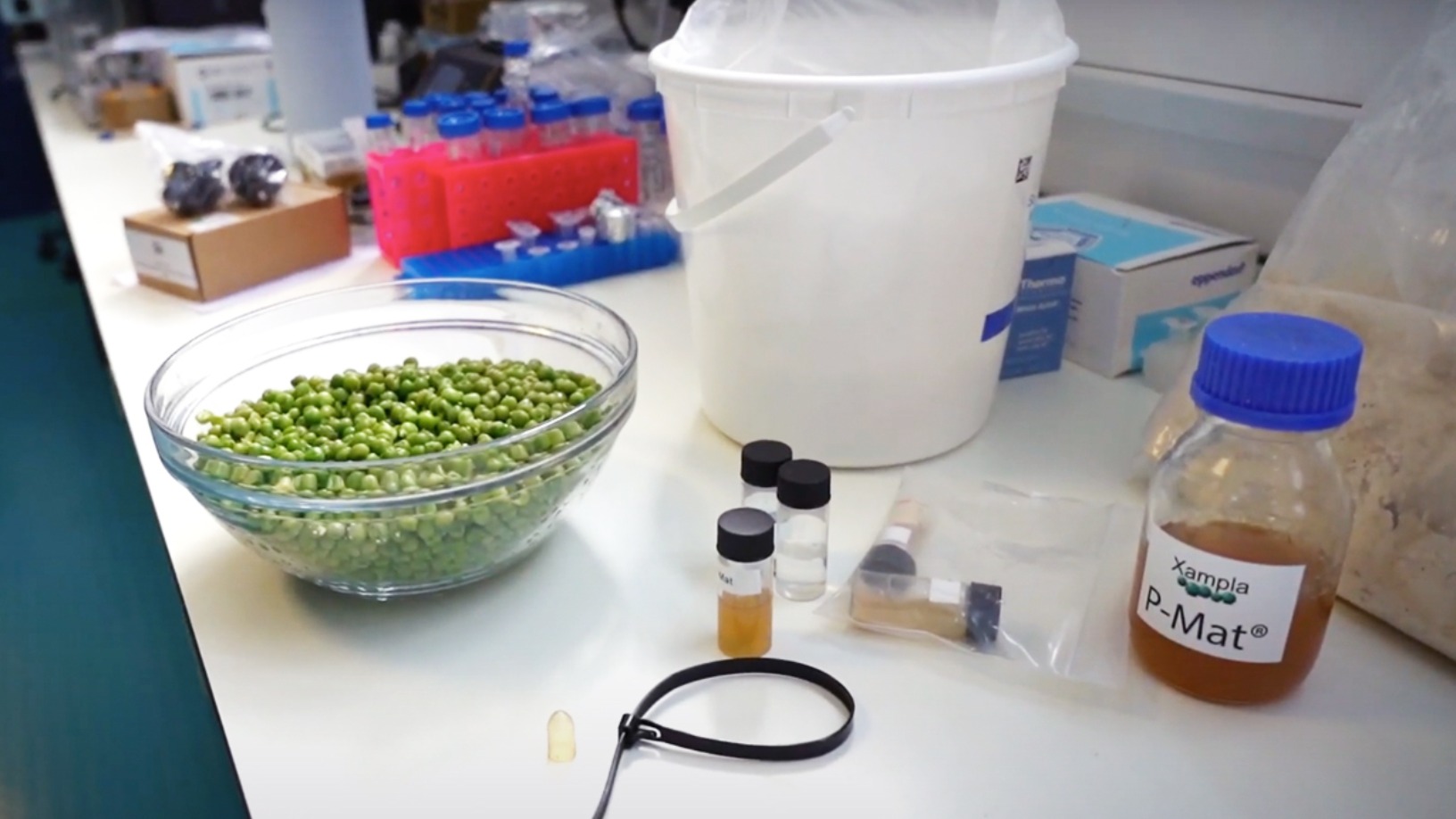
Xampla: Making strong, low-cost biodegradable plastic from peas
Inspired by the strength of spider silk, the Cambridge University spinoff has produced a plant-based, completely compostable alternative to microplastics
Carlos Guerrero: The legal guardian of tech startups
The lawyer and investor dives deep in the Spanish startup ecosystem, supporting young tech companies with both financial and specialized legal support

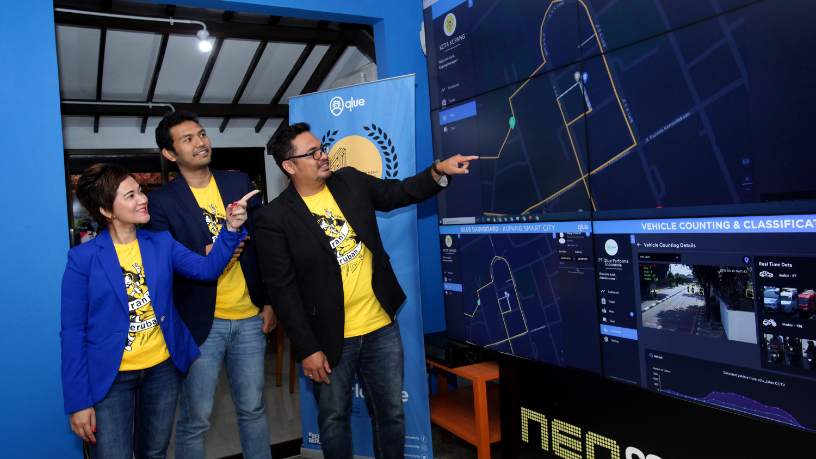
Qlue on international expansion, privacy concerns in smart cities
Qlue's CEO Rama Raditya and CCO Maya Arvini on protecting individual privacy when handling citizens' data in smart cities, the lack of clarity in regulation of use of facial recognition technology in Indonesia
Gojek acquires Indonesian POS startup Moka, gains greater share of SME fintech market
Deal reportedly worth $120m will add Moka's network of over 30,000 merchants to Gojek's reach

This voice technology startup empowers both developers and machines
AISpeech shifted its business from education to IoT but has always remained focused on voice interaction between humans and machines

After a Covid-led boom in 2020, what next for China's K-12 edtech?
Unicorns Yuanfudao and Zuoyebang raised more than $6bn combined last year as demand for online learning continues to grow, but some smaller players are running out of cash

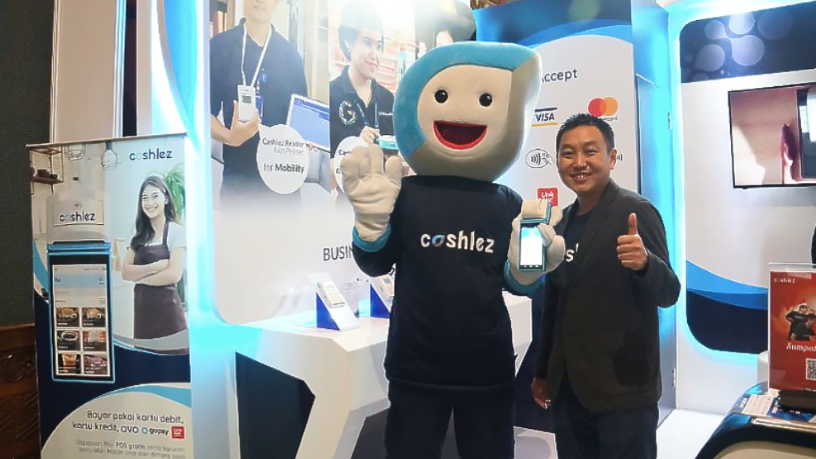
UPDATE: Indonesian mPOS startup Cashlez raises IDR 85bn from IPO in May
Cashlez is the first fintech company to list on the Indonesia Stock Exchange; will spend over 60% of proceeds to acquire payments company in toll road market
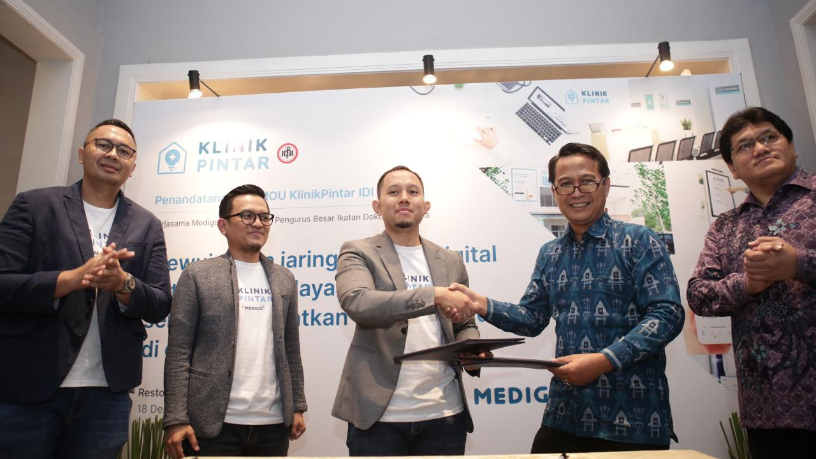
Medigo teams up with Indonesian Medical Association to launch primary care clinic network
Medigo aims to support healthcare operators with its clinic management SaaS, booking and medical records app for patients and more
TuSimple: Banking on autonomous trucking in the US
TuSimple aims to scale its Waymo-style driverless trucking network to disrupt the $4tn global truck freight market starting with the US, with mass production by 2024

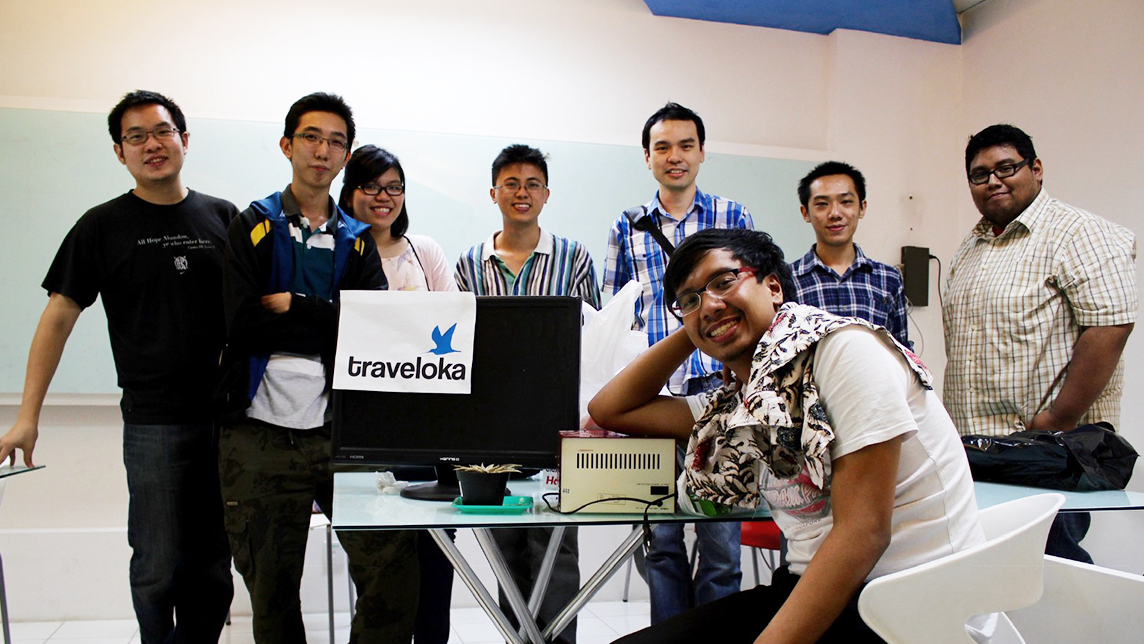
Traveloka CTO Derianto Kusuma resigns
The co-founder cites a changing ecosystem and company direction for his decision, while hinting at a new venture
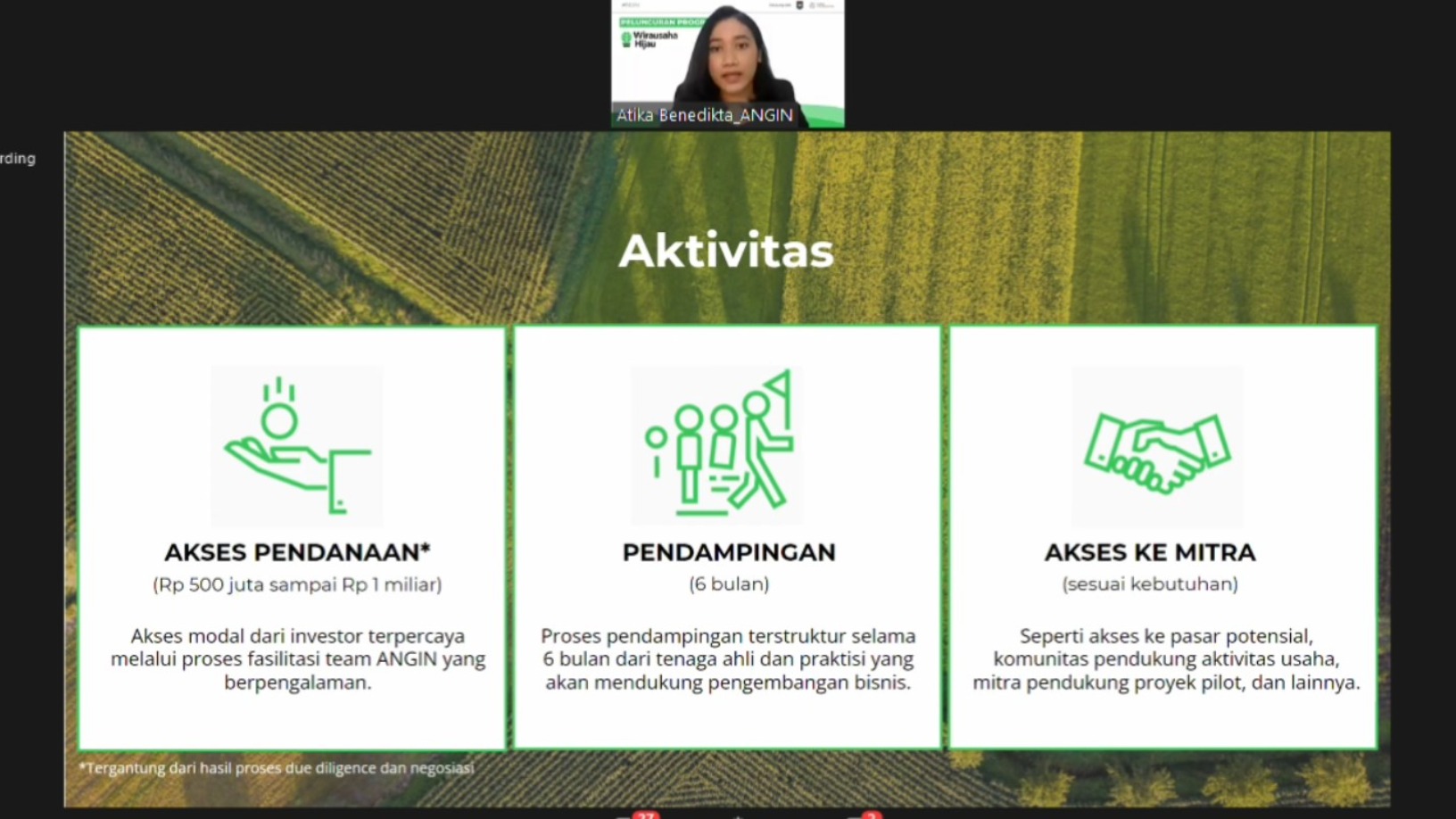
Indonesian angel investor network ANGIN launches agrifood incubator
Program targets ESG investment and builds on the strong potential of Indonesia’s agriculture sector, which kept growing despite the Covid-19 pandemic
A new unicorn rises as OVO's $1bn valuation confirmed
The Lippo Group subsidiary continues to grow in strength as it battles for market share with Gojek’s e-wallet and others

Sorry, we couldn’t find any matches for “M”.