Plant-based meat
-
DATABASE (852)
-
ARTICLES (622)
CTO and Co-founder of Oceanium
Charlie Bavington holds a PhD in biochemistry from the University of Edinburgh and has done postdoctoral research at the Scottish Association for Marine Science in natural marine products specializing in glycobiology and carbohydrate chemistry.In 2000, he moved from academic research to industry, joining a marine biotechnology company where he has been responsible for natural product discovery and contract research. His commitment to marine life and natural product development continued with GlycoMar, a company he co-founded in 2005, specializing in the discovery and development of novel functional glycans from microalgae, macroalgae, invertebrates, and plants.Since 2018, he’s CTO and co-founder of Oceanium, a Scottish startup developing marine-safe bio-packaging and plant-based food and nutrition products from sustainably farmed seaweed.
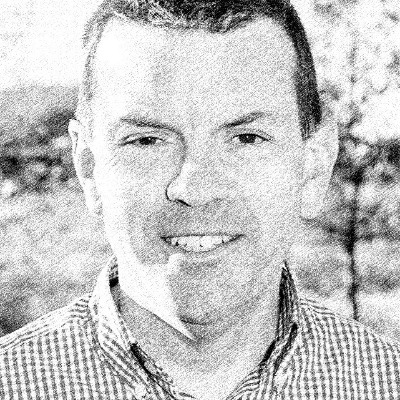
Charlie Bavington holds a PhD in biochemistry from the University of Edinburgh and has done postdoctoral research at the Scottish Association for Marine Science in natural marine products specializing in glycobiology and carbohydrate chemistry.In 2000, he moved from academic research to industry, joining a marine biotechnology company where he has been responsible for natural product discovery and contract research. His commitment to marine life and natural product development continued with GlycoMar, a company he co-founded in 2005, specializing in the discovery and development of novel functional glycans from microalgae, macroalgae, invertebrates, and plants.Since 2018, he’s CTO and co-founder of Oceanium, a Scottish startup developing marine-safe bio-packaging and plant-based food and nutrition products from sustainably farmed seaweed.
Business Developer and Founder of The Beemine Lab
Telmo Güell is a young entrepreneur responsible for the business development of The Beemine Lab, the first biotechnology company in Spain to produce cannabidiol-based cosmetics. He founded the company in 2018. Güell started his studies in Philosophy but he soon realized he was more fascinated by design and computer programming and so chose to specialize in JavaScript Fullstack and UX. Passionate about bees, he decided to start a project that would support beekeeping and address the risk of bee extinction. By combining bees with the cannabis plant, he founded The Beemine Lab, using bees to pollinate cannabis plants and cannabis pollen to sustain populated beehives.The Beemine Lab products are today sold in pharmacies, para-pharmacies and via Amazon Spain, as well as on the company’s e-commerce page.
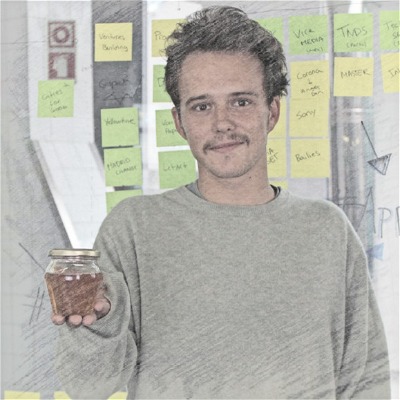
Telmo Güell is a young entrepreneur responsible for the business development of The Beemine Lab, the first biotechnology company in Spain to produce cannabidiol-based cosmetics. He founded the company in 2018. Güell started his studies in Philosophy but he soon realized he was more fascinated by design and computer programming and so chose to specialize in JavaScript Fullstack and UX. Passionate about bees, he decided to start a project that would support beekeeping and address the risk of bee extinction. By combining bees with the cannabis plant, he founded The Beemine Lab, using bees to pollinate cannabis plants and cannabis pollen to sustain populated beehives.The Beemine Lab products are today sold in pharmacies, para-pharmacies and via Amazon Spain, as well as on the company’s e-commerce page.
CEO and co-founder of The Not Company (NotCo)
Matías Muchnick graduated among the top 10% in business administration from the University of Chile in 2011 and went on to complete a master’s in Finance in 2012. He gained some work experience in Santiago as an analyst at LarrainVial in 2010 and spent the summer working at JP Morgan in Hong Kong after his graduation in 2011.In 2012, he became an entrepreneur and founded the wellness app Chooz, a project sponsored by the Chilean government. In 2013, he co-founded Eggless, the first food company in Chile to offer vegan mayonnaise in Chilean supermarkets like Walmart and Jumbo. He exited the business in 2015 and, in the same year, joined an entrepreneurship bootcamp at the University of California, Berkley, where he approached the biochemistry department to learn more about data and science. He also completed executive programs at Harvard Business School in 2015 and at the Stanford University in 2018.In November 2015, he co-founded the Chilean foodtech Not Company (NotCo) with astrophysicist Karim Pichara, who he met in Harvard, and Pablo Zamora. Based in New York, Muchnick is the CEO of NotCo, which combines AI with food science to create plant-based products that mimic animal-based food like milk and burgers.

Matías Muchnick graduated among the top 10% in business administration from the University of Chile in 2011 and went on to complete a master’s in Finance in 2012. He gained some work experience in Santiago as an analyst at LarrainVial in 2010 and spent the summer working at JP Morgan in Hong Kong after his graduation in 2011.In 2012, he became an entrepreneur and founded the wellness app Chooz, a project sponsored by the Chilean government. In 2013, he co-founded Eggless, the first food company in Chile to offer vegan mayonnaise in Chilean supermarkets like Walmart and Jumbo. He exited the business in 2015 and, in the same year, joined an entrepreneurship bootcamp at the University of California, Berkley, where he approached the biochemistry department to learn more about data and science. He also completed executive programs at Harvard Business School in 2015 and at the Stanford University in 2018.In November 2015, he co-founded the Chilean foodtech Not Company (NotCo) with astrophysicist Karim Pichara, who he met in Harvard, and Pablo Zamora. Based in New York, Muchnick is the CEO of NotCo, which combines AI with food science to create plant-based products that mimic animal-based food like milk and burgers.
Senior Scientific Advisor and co-founder of The Not Company (NotCo)
Pablo Zamora is a biotechnologist from the University of Santiago, where he worked as a professor and research scientist until 2008. In 2009, he started his postdoctoral research on Mexico’s maize genetics at UC Davis Life Science Innovation Center. He worked there as a senior scientist and associate until 2014. In 2015, he was appointed the center’s Chief Science Officer based in Chile, a position he was in till January 2018.From 2013–2015, he also worked on various plant and microbe genomics projects as a senior scientist in Mars Advanced Research Institute. He was also an editor from 2012–2017 at the Journal of Technology Management & Innovation and worked at the non-profit PIPRA from 2010–2018 as international alliance manager in Sacramento, University of California.In 2015, he co-founded The Not Company (NotCo) based in Santiago. He was appointed CSO in February 2018, a role he led until March 2020, when he left the company to focus on a new project, AptaBuilder, a $60m program that promotes R&D for Chilean technology-based ventures. Zamora still consults as NotCo’s senior scientific advisor.
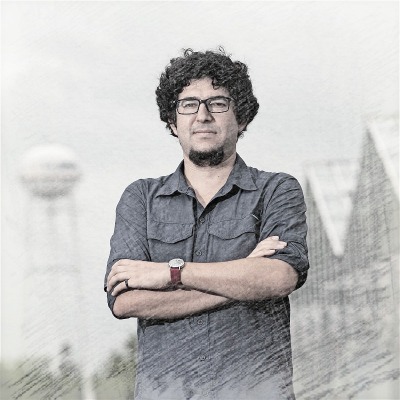
Pablo Zamora is a biotechnologist from the University of Santiago, where he worked as a professor and research scientist until 2008. In 2009, he started his postdoctoral research on Mexico’s maize genetics at UC Davis Life Science Innovation Center. He worked there as a senior scientist and associate until 2014. In 2015, he was appointed the center’s Chief Science Officer based in Chile, a position he was in till January 2018.From 2013–2015, he also worked on various plant and microbe genomics projects as a senior scientist in Mars Advanced Research Institute. He was also an editor from 2012–2017 at the Journal of Technology Management & Innovation and worked at the non-profit PIPRA from 2010–2018 as international alliance manager in Sacramento, University of California.In 2015, he co-founded The Not Company (NotCo) based in Santiago. He was appointed CSO in February 2018, a role he led until March 2020, when he left the company to focus on a new project, AptaBuilder, a $60m program that promotes R&D for Chilean technology-based ventures. Zamora still consults as NotCo’s senior scientific advisor.
Co-founder, CEO of Meatable
Krijn De Nood is the Dutch co-founder and CEO at cell-based meat startup Meatable, the first to claim a highly scalable culture technology with the use of pluripotent stem cells, where he has worked since 2018. He previously worked at McKinsey for six-and-a-half years in Amsterdam, New York and in Kenya. Prior to that, he worked as an equity derivatives trader at derivative trading company All Options after a short stint at Barclays Capital.De Nood holds two first degrees from the University of Amsterdam, in philosophy and in economics and finance.
Krijn De Nood is the Dutch co-founder and CEO at cell-based meat startup Meatable, the first to claim a highly scalable culture technology with the use of pluripotent stem cells, where he has worked since 2018. He previously worked at McKinsey for six-and-a-half years in Amsterdam, New York and in Kenya. Prior to that, he worked as an equity derivatives trader at derivative trading company All Options after a short stint at Barclays Capital.De Nood holds two first degrees from the University of Amsterdam, in philosophy and in economics and finance.
Co-founder and Solutions Architect of Plant on Demand
Antonio Tripiana Caballero worked for almost two years as project engineer at the Signal Processing for Communications and Navigation (SPCOMNAV) research group at the Autonomous University of Barcelona (UAB).The Department of Telecommunications and Systems Engineering project was part of Tripiana’s master’s degree in Telecoms Systems Engineering during his university days from 2011 to 2016. He also completed a one-year exchange program at Finland’s Tampere University of Technology.Tripiana worked as a freelance full-stack developer in Barcelona during his studies. He worked for four months as a scientist at Barcelona’s Mobile World Capital to develop a cloud-based GNSS receiver for IoT devices with ultra-low battery consumption. He also spent five months testing receivers at the European Space Agency (ESA) in the Netherlands.In 2018, he co-founded Plant on Demand (POD) as the startup’s Solutions Architect. He took on the full-time role of CTO during 1Q2020.

Antonio Tripiana Caballero worked for almost two years as project engineer at the Signal Processing for Communications and Navigation (SPCOMNAV) research group at the Autonomous University of Barcelona (UAB).The Department of Telecommunications and Systems Engineering project was part of Tripiana’s master’s degree in Telecoms Systems Engineering during his university days from 2011 to 2016. He also completed a one-year exchange program at Finland’s Tampere University of Technology.Tripiana worked as a freelance full-stack developer in Barcelona during his studies. He worked for four months as a scientist at Barcelona’s Mobile World Capital to develop a cloud-based GNSS receiver for IoT devices with ultra-low battery consumption. He also spent five months testing receivers at the European Space Agency (ESA) in the Netherlands.In 2018, he co-founded Plant on Demand (POD) as the startup’s Solutions Architect. He took on the full-time role of CTO during 1Q2020.
CEO and co-founder of Singrow
With a PhD in molecular biology from NUS, Bao Shengjie, CEO and co-founder of Singrow, is a plant physiology expert who has been focusing his research for more than six years on expediting growth and improving yields. He grew up in Ningbo, a coastal city of China’s eastern Zhejiang Province. In 2011, he graduated from esteemed Zhejiang University with a bachelor's degree. He also studied bioinformatics at North Carolina State University, followed by studies at NUS. Since 2017, he has been an NUS research fellow. Strawberry has his favourite fruit since childhood. After moving to Singapore, he found that strawberries from the local supermarket were nothing close to those he had been eating for years. That sparked his study into the problem of Singapore’s local strawberry market, which in turn caused him to explore the urban farming industry with his plant physiology and molecular biology knowledge. Besides founding Singrow, he is the breeder of the company’s signature White Crystal Strawberry and invented the Fast Cultivation Method.
With a PhD in molecular biology from NUS, Bao Shengjie, CEO and co-founder of Singrow, is a plant physiology expert who has been focusing his research for more than six years on expediting growth and improving yields. He grew up in Ningbo, a coastal city of China’s eastern Zhejiang Province. In 2011, he graduated from esteemed Zhejiang University with a bachelor's degree. He also studied bioinformatics at North Carolina State University, followed by studies at NUS. Since 2017, he has been an NUS research fellow. Strawberry has his favourite fruit since childhood. After moving to Singapore, he found that strawberries from the local supermarket were nothing close to those he had been eating for years. That sparked his study into the problem of Singapore’s local strawberry market, which in turn caused him to explore the urban farming industry with his plant physiology and molecular biology knowledge. Besides founding Singrow, he is the breeder of the company’s signature White Crystal Strawberry and invented the Fast Cultivation Method.
Based in Sao Paulo, Maya Capital was co-founded in 2018 by Lara Lemann and Mônica Saggioro. The VC manages two funds that invest in early-stage startups in Latin America. The first is worth $26m and the second raised $15m in October 2020. Half of the amount raised will be invested in new startups, while the balance will fund Series A rounds of portfolio startups.Together with co-investors like Kaszek Ventures and Y Combinator, the VC has invested in 25 startups in Brazil, Chile, Colombia and Mexico. Investments include plant-based foodtech NotCo, the car-rental operator Kovi and online education platform Trybe. Maya aims to increase its portfolio to 35 startups, focusing on post-Covid opportunities in diverse sectors like health, finance, mobility and logistics.

Based in Sao Paulo, Maya Capital was co-founded in 2018 by Lara Lemann and Mônica Saggioro. The VC manages two funds that invest in early-stage startups in Latin America. The first is worth $26m and the second raised $15m in October 2020. Half of the amount raised will be invested in new startups, while the balance will fund Series A rounds of portfolio startups.Together with co-investors like Kaszek Ventures and Y Combinator, the VC has invested in 25 startups in Brazil, Chile, Colombia and Mexico. Investments include plant-based foodtech NotCo, the car-rental operator Kovi and online education platform Trybe. Maya aims to increase its portfolio to 35 startups, focusing on post-Covid opportunities in diverse sectors like health, finance, mobility and logistics.
CEO and founder of Les Noveaux Affineurs
Nour Akbaraly completed a master’s in engineering at Centrale Lille and also a master’s in applied mathematics at Lille University in 2010. In 2011, Akbaraly joined industrial manufacturing consultancy firm Avencore as a consultant in Paris.The avid photographer and F&B enthusiast also went to various tea-tasting classes at a tea specialist college until 2015. Passionate about gastronomy, he began exploring alt-protein alternatives to address the environmental and ethical challenges of food supply chains.In 2016, he went on an engineering training course for agronomy and agri-food at AgroSup Dijon, the National Institute of Agronomic, Food and Environmental Sciences.A year later, he founded Les Noveaux Affineurs, a startup specializing in plant-based alternatives to cheese. His ambition is to create a new range of French gastronomic vegan cheese products for consumers in France and overseas.Since 2010, Akbaraly is also a volunteer at the Action Contre la Faim, a Paris-based international NGO founded in 1979. The “Action Against Hunger” projects include running awareness campaigns on food security issues in colleges and schools in France and other countries like India and Sudan.
Nour Akbaraly completed a master’s in engineering at Centrale Lille and also a master’s in applied mathematics at Lille University in 2010. In 2011, Akbaraly joined industrial manufacturing consultancy firm Avencore as a consultant in Paris.The avid photographer and F&B enthusiast also went to various tea-tasting classes at a tea specialist college until 2015. Passionate about gastronomy, he began exploring alt-protein alternatives to address the environmental and ethical challenges of food supply chains.In 2016, he went on an engineering training course for agronomy and agri-food at AgroSup Dijon, the National Institute of Agronomic, Food and Environmental Sciences.A year later, he founded Les Noveaux Affineurs, a startup specializing in plant-based alternatives to cheese. His ambition is to create a new range of French gastronomic vegan cheese products for consumers in France and overseas.Since 2010, Akbaraly is also a volunteer at the Action Contre la Faim, a Paris-based international NGO founded in 1979. The “Action Against Hunger” projects include running awareness campaigns on food security issues in colleges and schools in France and other countries like India and Sudan.
Based in San Mateo California, KBW Ventures was founded by HRH Prince Khaled bin Alwaleed bin Talal Al Saud. The asset management firm’s CEO is also the chairman of KBW Investments that was founded in 2013 in Dubai in the United Arab Emirates (UAE).KBW Ventures is part of the KBW Group and mainly invests in companies involved in sustainable food, artificial intelligence, blockchain technologies and fintech. In 2019, the VC had already invested in 24 companies in sectors like e-gaming, drones, e-commerce and plant-based proteins. Recently, it also increased its stakes in two Californian biotechs BlueNalu and TurtleTree Labs. The aim is to open up the Middle East markets to global tech companies.
Based in San Mateo California, KBW Ventures was founded by HRH Prince Khaled bin Alwaleed bin Talal Al Saud. The asset management firm’s CEO is also the chairman of KBW Investments that was founded in 2013 in Dubai in the United Arab Emirates (UAE).KBW Ventures is part of the KBW Group and mainly invests in companies involved in sustainable food, artificial intelligence, blockchain technologies and fintech. In 2019, the VC had already invested in 24 companies in sectors like e-gaming, drones, e-commerce and plant-based proteins. Recently, it also increased its stakes in two Californian biotechs BlueNalu and TurtleTree Labs. The aim is to open up the Middle East markets to global tech companies.
Helping small-scale organic farmers run sustainable businesses, POD offers direct e-commerce sales with related support and precision farming tools to boost crop yields and profitability.

Helping small-scale organic farmers run sustainable businesses, POD offers direct e-commerce sales with related support and precision farming tools to boost crop yields and profitability.
Future Positive Capital is a Paris-based VC with a second office in London. Its investments cover deep-technology companies applying AI, biotechnology, synthetic biology, as well as robotics. Co-funded in 2016 by ex-Index Ventures associate Sofia Hmich along with Alexandre Terrien and Michael Rosen; it has made 18 investments to date. In 2019 Future Positive raised over $57m pan-European impact investment fund, claiming that most European VCs are continuing to staying focused on sectors, such as consumer, fintech, and marketing, or web and mobile technologies. Future Positive’s belief is that there is instead, a long-tail of investment opportunities to back businesses that actually tackle “the world’s most pressing problems”.Through this fund, it will back throughout Seed and Series A stages, with the possibility to follow up on Series B investing between around €300,000 and €5m. Since then the company has backed startups in the like of BioBeats, an AI company focused on preventative mental health, cell-based startup Meatable, and more recently NotCo, the Chilean unicorn disrupting the food and beverage sector with AI-enabled plant-based products.The team counts on an extensive network of mentors, innovators, impact angel investors and entrepreneurs such as F1 pilots Nico Rosberg, the MD of Alibaba France Sebastien Badault, the Omid Ashtari the President of Citymapper amongst others.

Future Positive Capital is a Paris-based VC with a second office in London. Its investments cover deep-technology companies applying AI, biotechnology, synthetic biology, as well as robotics. Co-funded in 2016 by ex-Index Ventures associate Sofia Hmich along with Alexandre Terrien and Michael Rosen; it has made 18 investments to date. In 2019 Future Positive raised over $57m pan-European impact investment fund, claiming that most European VCs are continuing to staying focused on sectors, such as consumer, fintech, and marketing, or web and mobile technologies. Future Positive’s belief is that there is instead, a long-tail of investment opportunities to back businesses that actually tackle “the world’s most pressing problems”.Through this fund, it will back throughout Seed and Series A stages, with the possibility to follow up on Series B investing between around €300,000 and €5m. Since then the company has backed startups in the like of BioBeats, an AI company focused on preventative mental health, cell-based startup Meatable, and more recently NotCo, the Chilean unicorn disrupting the food and beverage sector with AI-enabled plant-based products.The team counts on an extensive network of mentors, innovators, impact angel investors and entrepreneurs such as F1 pilots Nico Rosberg, the MD of Alibaba France Sebastien Badault, the Omid Ashtari the President of Citymapper amongst others.
CTO and co-founder of Carbo Culture
US native Christopher Carstens graduated in mechanical engineering in 2002 at the University of California, Berkeley. He started his career as a technology analyst at The Spark Group in San Francisco.In 2004, the engineer co-founded Solid Gas Technologies to build a methane hydrate production system. Carstens also founded Homeland Fuels to construct a bioreactor using ethanol. He exited both companies in 2006 and went to work at World Waste Technologies in California as project manager and engineer. In 2012, he started working at Graphene Technologies as R&D engineer.In 2013, he joined an innovation accelerator program at Singularity University where he met Finnish participant Henrietta Moon. They co-founded Finnish startup Carbo Culture in 2016 with Carstens as CTO based at the California plant.The serial entrepreneur and inventor also founded Hydrate Dynamics as CTO in 2015 to develop gas storage and transportation facilities using clathrate hydrates technology. In 2018, he was appointed by the US Department of Energy to be a member of the Methane Hydrate Advisory Committee until January 2020.
US native Christopher Carstens graduated in mechanical engineering in 2002 at the University of California, Berkeley. He started his career as a technology analyst at The Spark Group in San Francisco.In 2004, the engineer co-founded Solid Gas Technologies to build a methane hydrate production system. Carstens also founded Homeland Fuels to construct a bioreactor using ethanol. He exited both companies in 2006 and went to work at World Waste Technologies in California as project manager and engineer. In 2012, he started working at Graphene Technologies as R&D engineer.In 2013, he joined an innovation accelerator program at Singularity University where he met Finnish participant Henrietta Moon. They co-founded Finnish startup Carbo Culture in 2016 with Carstens as CTO based at the California plant.The serial entrepreneur and inventor also founded Hydrate Dynamics as CTO in 2015 to develop gas storage and transportation facilities using clathrate hydrates technology. In 2018, he was appointed by the US Department of Energy to be a member of the Methane Hydrate Advisory Committee until January 2020.
US-French private equity company L Catterton is based in Greenwich, USA, with 17 offices around the world and over $28bn of equity capital. It mostly invests in the consumer industry as well as real estate and technology startups.Founded in 1989 and currently led by co-CEOs Michael Chu and Scott Dahnke, in 2016, L Catterton partnered with the LVMH Group and Groupe Arnault combining Catterton's operations with LVMH and Groupe Arnault's real estate and private equity operations across Europe Asia, and North America. The partnership formed the largest global consumer-focused private equity firm yet the 31st largest private equity firm in the world. L Catterton holds majority stakes in companies like Birkenstock, Crystal Jade, Bliss, John Hardy amongst others; it also invests in technology startups in their growth and hyper-growth phases. Most notable investments include Aleph Farms, ClassPass, and more recently the plant-based products manufacturer NotCo. Its latest growth fund, L Catterton Growth IV, targets an investment range of $10m–$75m in North America and Europe.

US-French private equity company L Catterton is based in Greenwich, USA, with 17 offices around the world and over $28bn of equity capital. It mostly invests in the consumer industry as well as real estate and technology startups.Founded in 1989 and currently led by co-CEOs Michael Chu and Scott Dahnke, in 2016, L Catterton partnered with the LVMH Group and Groupe Arnault combining Catterton's operations with LVMH and Groupe Arnault's real estate and private equity operations across Europe Asia, and North America. The partnership formed the largest global consumer-focused private equity firm yet the 31st largest private equity firm in the world. L Catterton holds majority stakes in companies like Birkenstock, Crystal Jade, Bliss, John Hardy amongst others; it also invests in technology startups in their growth and hyper-growth phases. Most notable investments include Aleph Farms, ClassPass, and more recently the plant-based products manufacturer NotCo. Its latest growth fund, L Catterton Growth IV, targets an investment range of $10m–$75m in North America and Europe.
Co-founder, CCO of Cocuus
Patxi Larumbe is the Spanish CCO and co-founder at 3D printing food tech and cell-based meat startup Cocuus, where he has worked since he co-founded it in 2017. Before Cocuus, Larumbe founded and directed eight other companies, the majority, like Cocuus, also based in Pamplona, Navarre. During his extensive entrepreneurial career, Larumbe had experience with design and manufacturing in 3D processes, which he used to innovate in Cocuus. Before Cocuus, he was a director at his building materials distribution company, On Clima, for two years, which was preceded by a two-year stint heading up Tohama, an IoT tech developer for Somfy products. Prior to that, he was commercial director for 20 years at building services company Terradisa and also founded its Catalonia offices.From 2000–2013, Larumbe was the founder and board member at Acustica Arquitectonica, an acoustic architectural design company and from 1995–2005, he had the same responsibilities at his hospitality company, Ostatu Zaharra. Other companies he founded were were Render (1990–96), Netcorp Factory (1996–2000) and No Solo Futbol ("Not Just Soccer") (2000–2004). Larumbe studied electronics at first degree level in Pamplona.

Patxi Larumbe is the Spanish CCO and co-founder at 3D printing food tech and cell-based meat startup Cocuus, where he has worked since he co-founded it in 2017. Before Cocuus, Larumbe founded and directed eight other companies, the majority, like Cocuus, also based in Pamplona, Navarre. During his extensive entrepreneurial career, Larumbe had experience with design and manufacturing in 3D processes, which he used to innovate in Cocuus. Before Cocuus, he was a director at his building materials distribution company, On Clima, for two years, which was preceded by a two-year stint heading up Tohama, an IoT tech developer for Somfy products. Prior to that, he was commercial director for 20 years at building services company Terradisa and also founded its Catalonia offices.From 2000–2013, Larumbe was the founder and board member at Acustica Arquitectonica, an acoustic architectural design company and from 1995–2005, he had the same responsibilities at his hospitality company, Ostatu Zaharra. Other companies he founded were were Render (1990–96), Netcorp Factory (1996–2000) and No Solo Futbol ("Not Just Soccer") (2000–2004). Larumbe studied electronics at first degree level in Pamplona.
Grain Meat: Focusing on whole cut plant-based meat
With its proprietary fiber weaving technique and specially-designed machinery, Wuxi-based Grain Meat aims to replicate the texture and even the grain of real meat
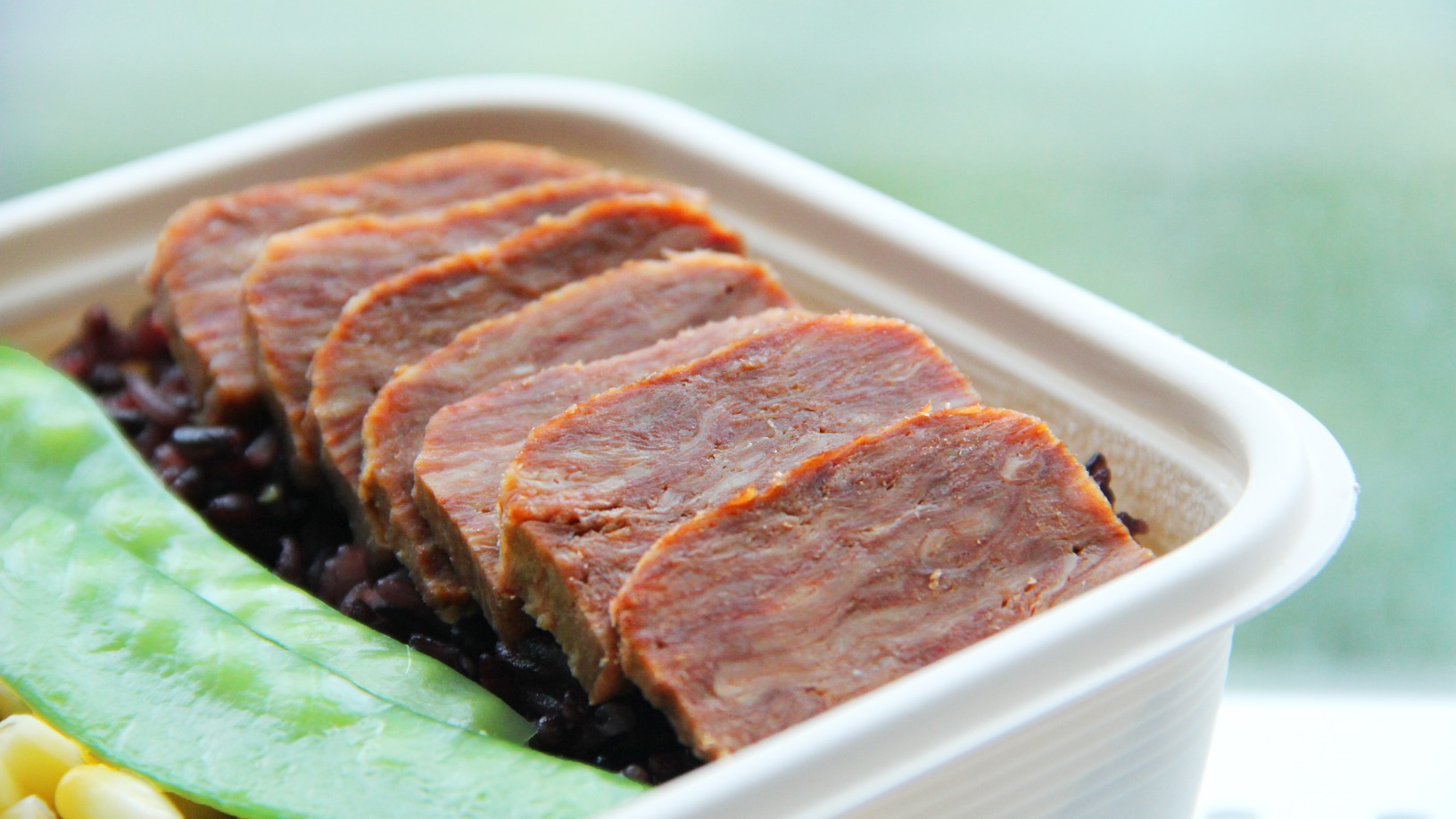
Zhenmeat: Offering a modern plant-based meat alternative in China
The Chinese startup is providing a product adapted for Chinese tastes in an emerging market.
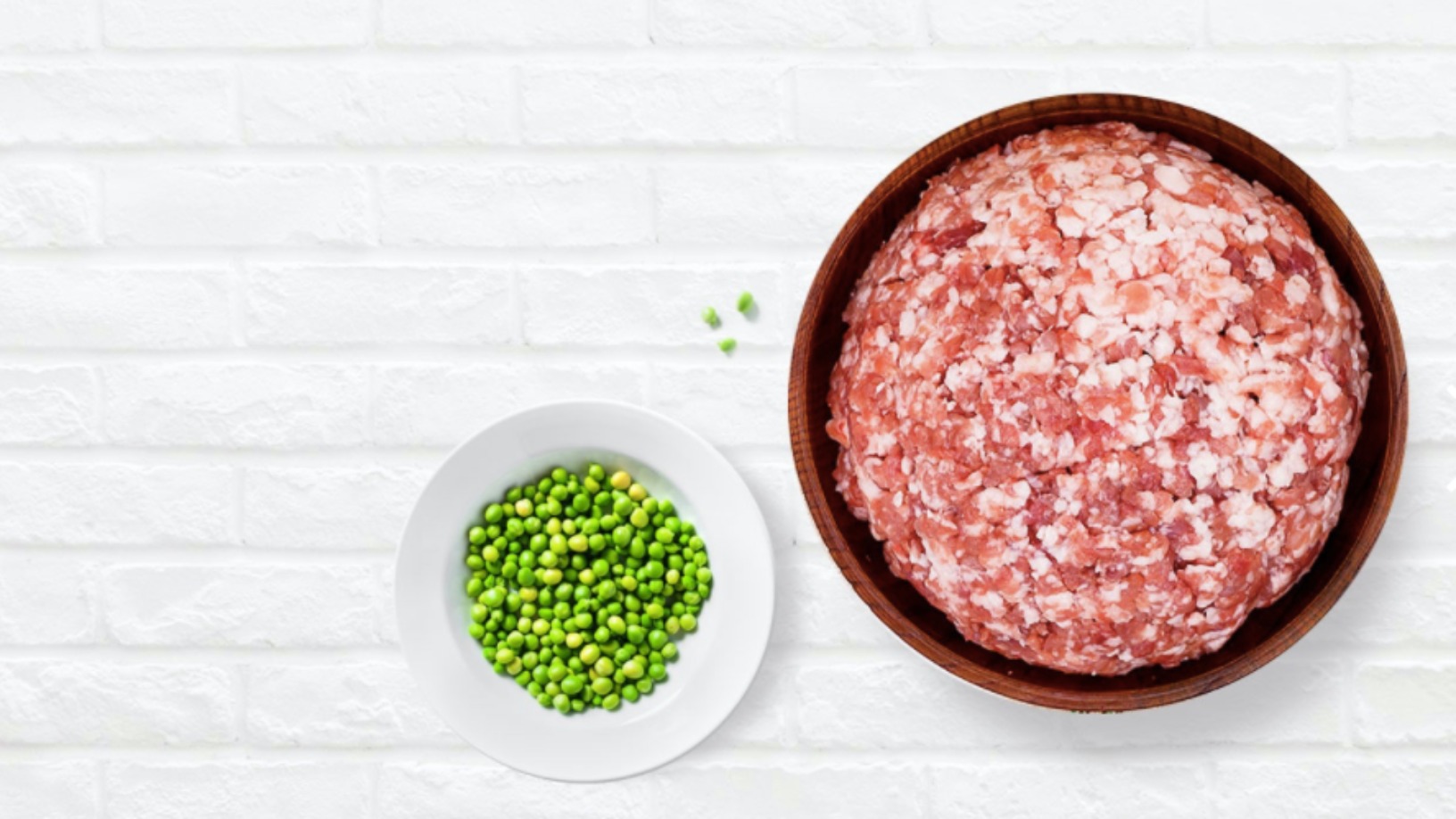
Plant-based meat faces backlash in China despite gaining traction
An innocuous video clip sparked debate on social media over plant-based meat, with suspicion about its nutritional value, cost-effectiveness and even the motives of foreign companies
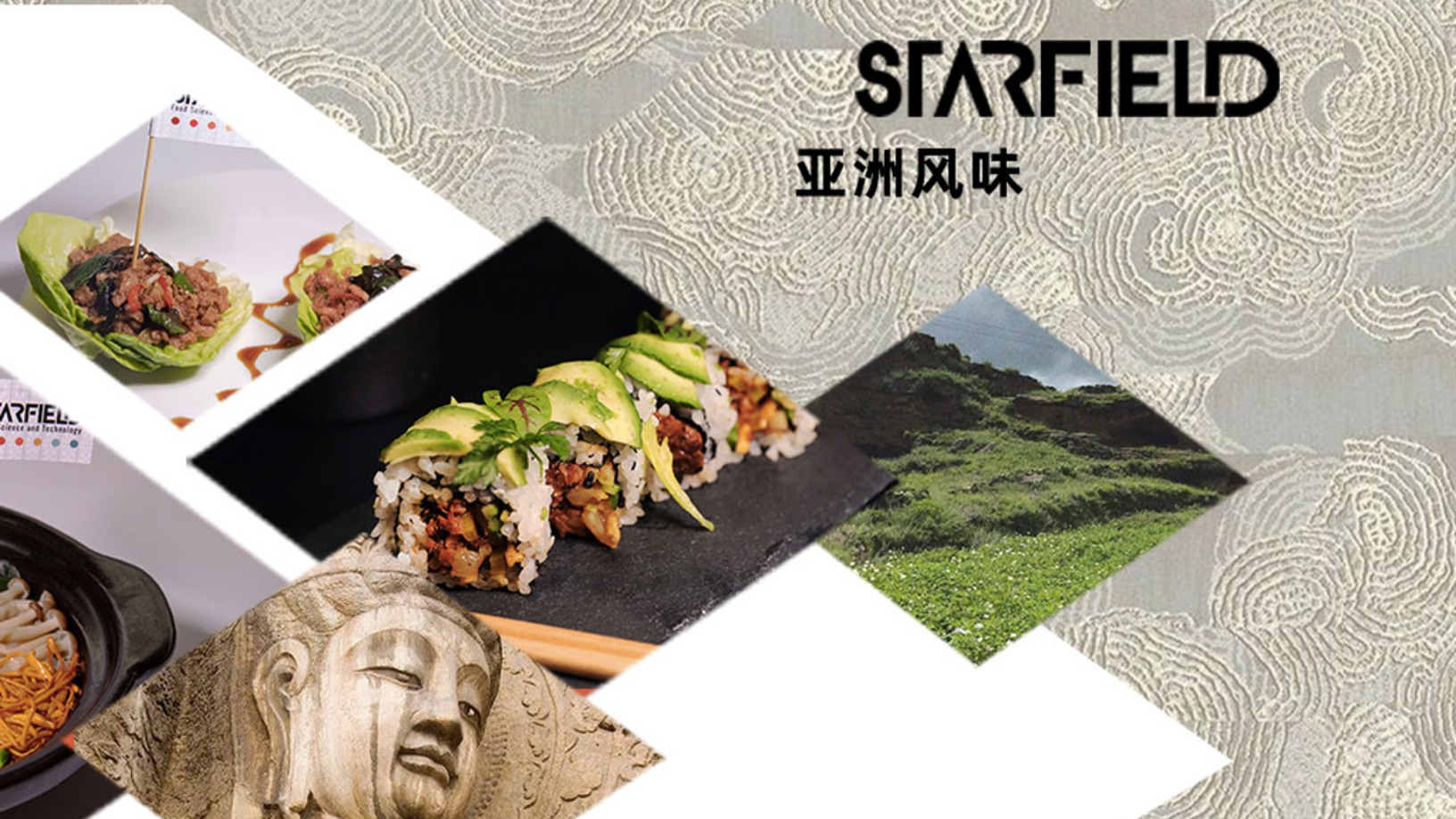
Do plant-based meat alternatives stand a chance in China, the world's largest meat consumer?
Major food brands and foodtech startups are trying to build their following in a nascent market forecast to grow to nearly $12bn worth by 2023

Indonesia's Green Rebel Foods to take its Asian-inspired plant-based meat regional
F&B veteran duo behind the Burgreens spinoff plans Series A fundraising by end-2021 for manufacturing and regional expansion

In a nascent market, one-year-old Starfield has brought its offerings to around 3,000 F&B outlets and generated RMB 10m in revenue
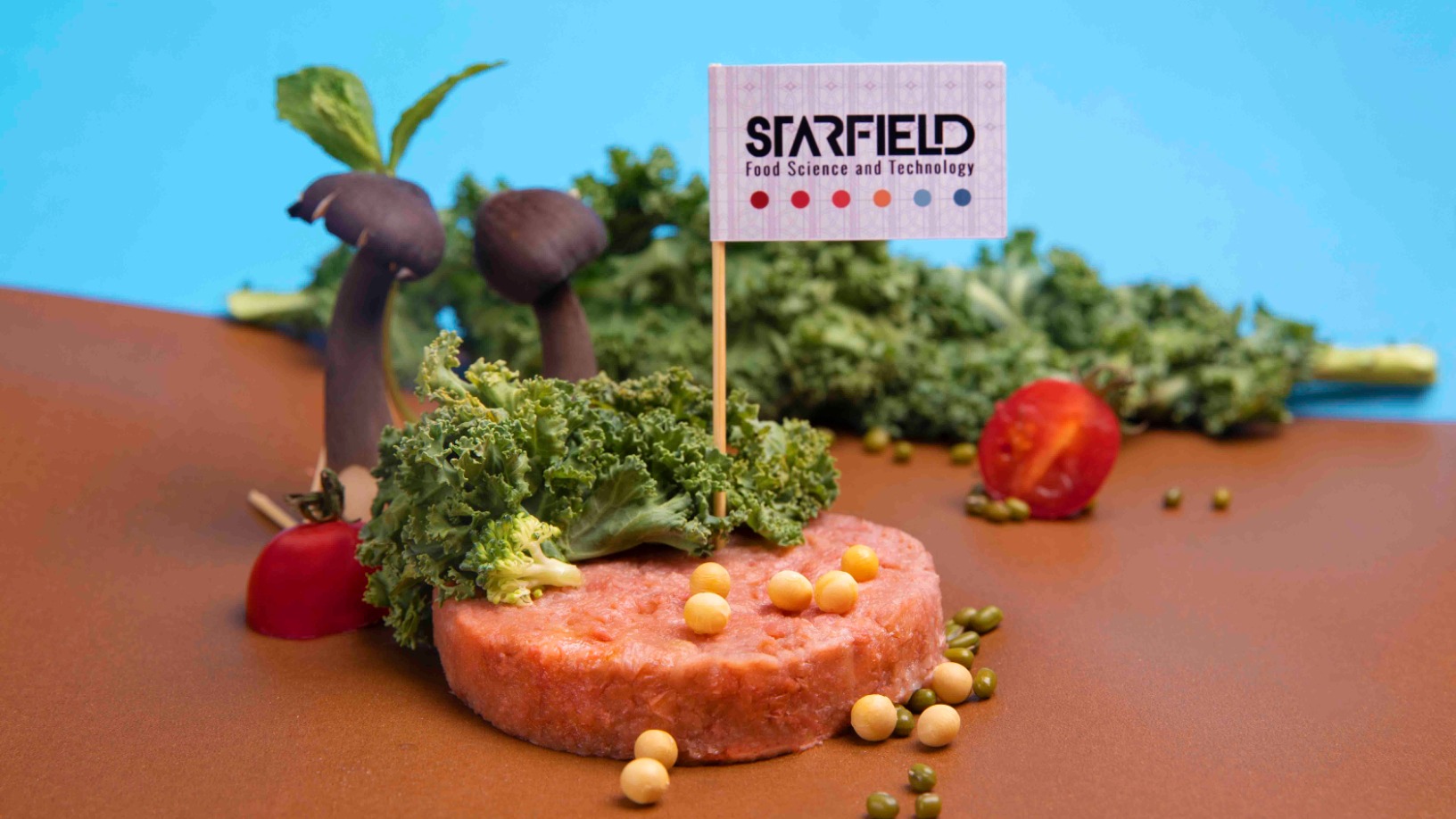
SWITCH Singapore: Alternative protein sure to take off in Asia, with Singapore as innovation hotbed
In an in-depth discussion, food industry experts say products made with alternative protein in hybrid forms could offer the fastest route to commercialization
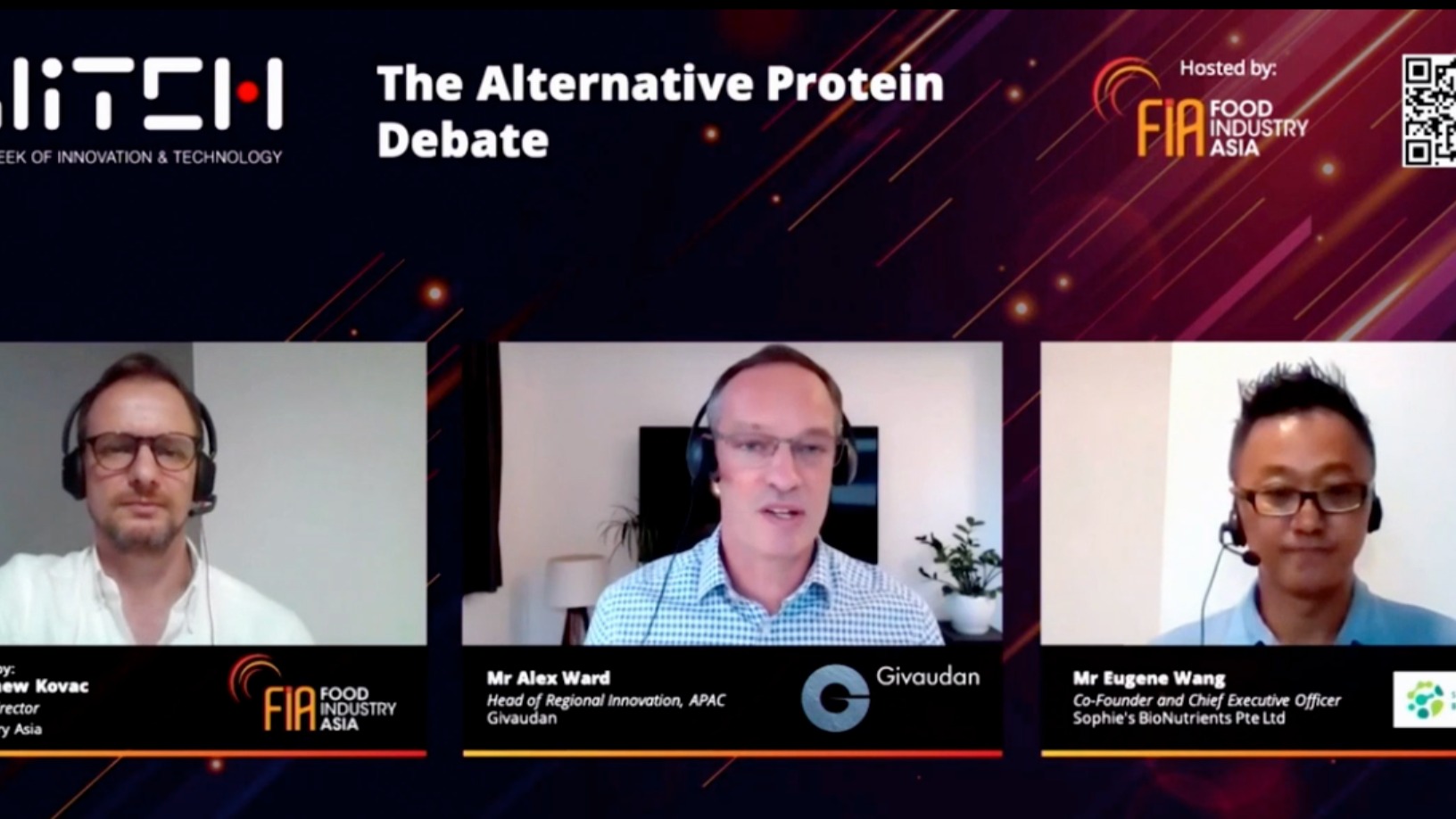
New Food Invest: Growing an alternative protein business in Asia
With more than 4bn people, Asia presents unique opportunities and challenges to alternative protein startups. Four leading entrepreneurs shared their experiences at the recent New Food Invest conference
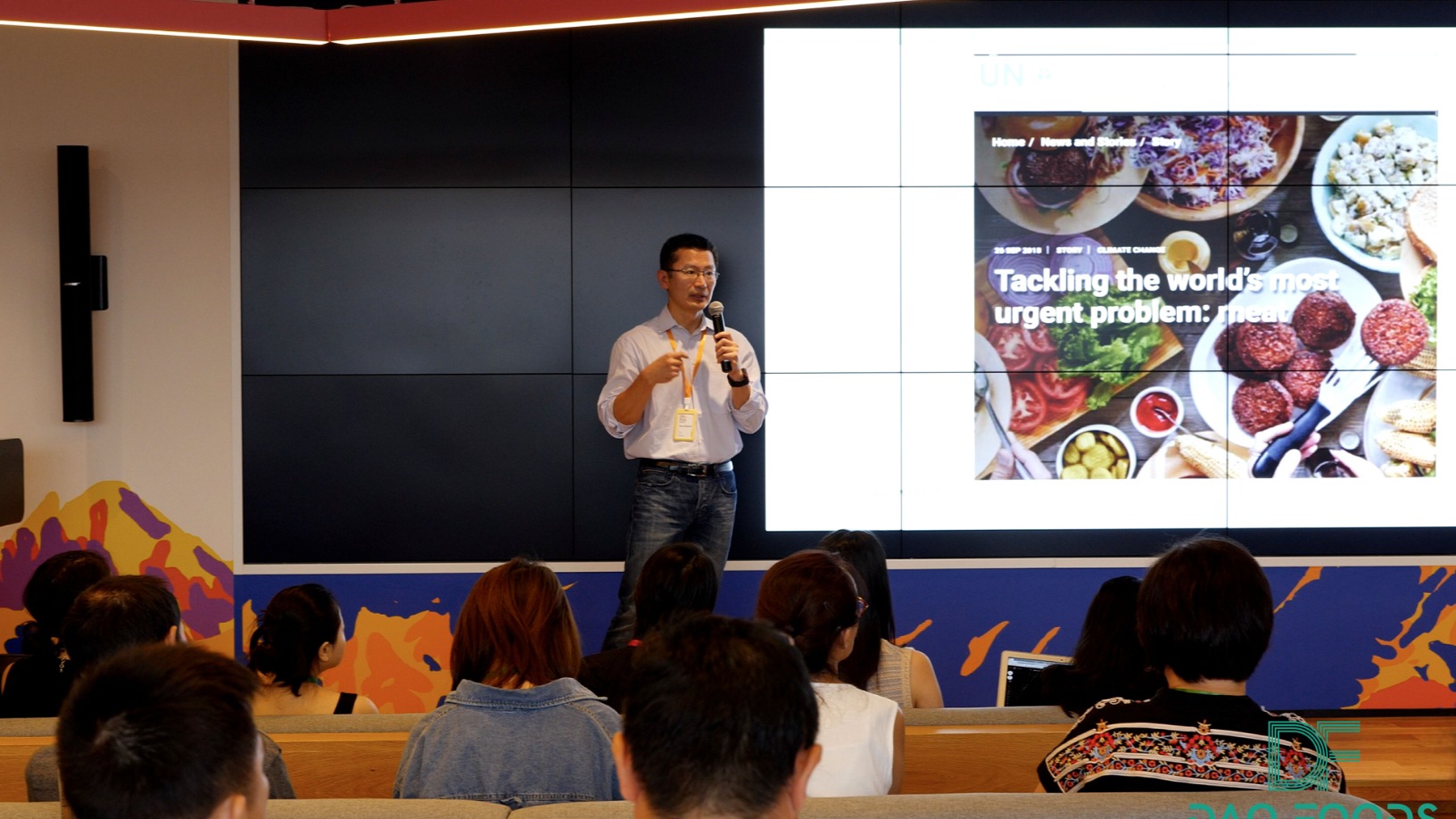
Dao Foods: Grooming and betting on China's rising alternative protein startups
How can businesses involve Chinese consumers in the environmental cause, even if it isn’t a priority for them? For that, the impact investor-incubator Dao Foods has got its philosophy-led strategy figured out
Yali Bio: Recreating a juicy steak in plant-based alternatives
Founded by the former head of Impossible Foods’ pilot plant, this Bay Area genomics and foodtech startup is one of the first to engineer a better fat for plant-based meat

Meatable joins Royal DSM to create growth media specific for cell-based meat tech
The R&D between the biotech startup and fellow Dutch nutrition conglomerate could help scale and drive the commercial viability of lab-grown meat
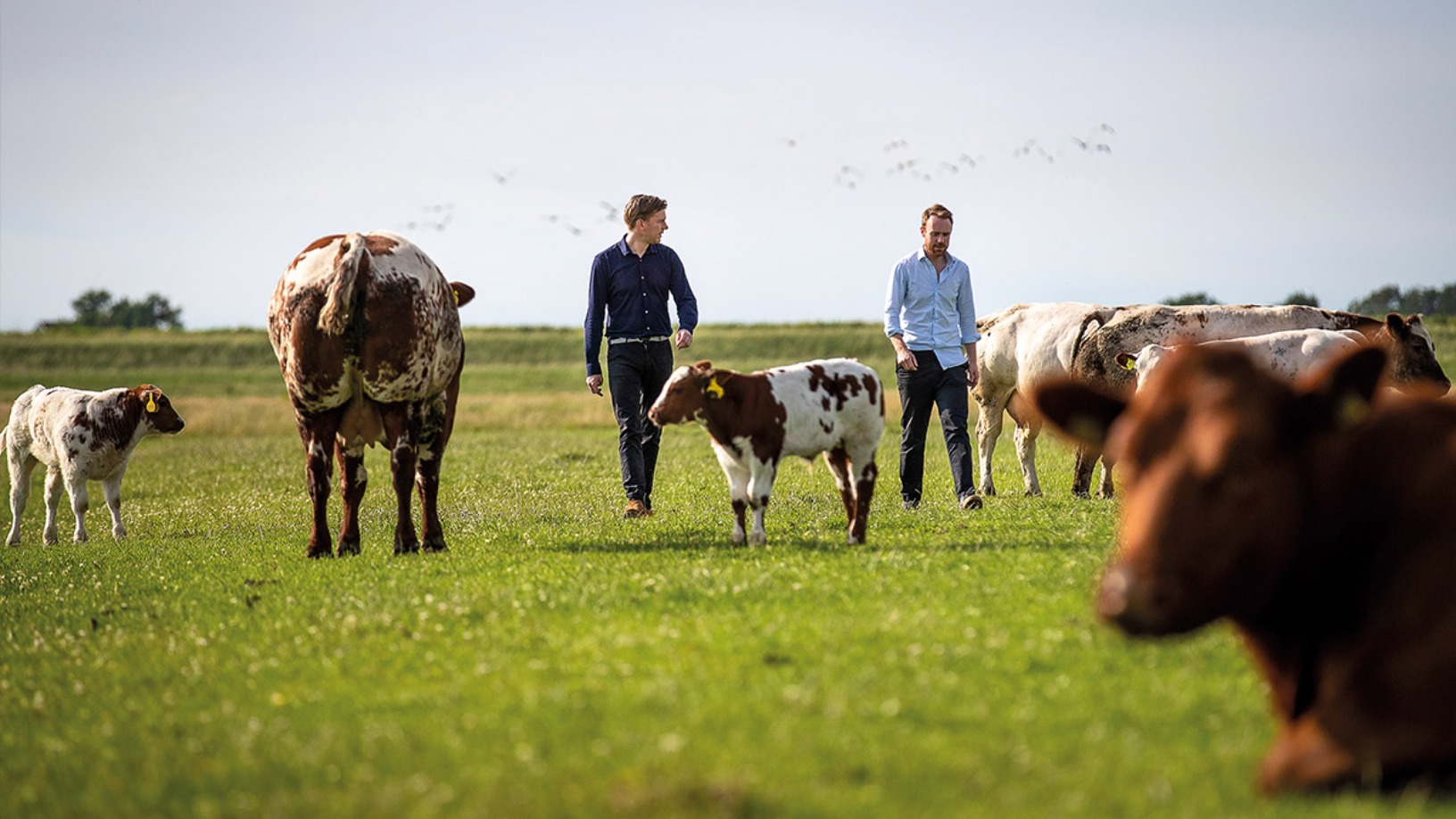
Novameat: 3D printing tech to develop meat substitute products
Italian scientist Giuseppe Scionti has repurposed bioprinting technology used to create an artificial human ear to develop a plant-based "steak"
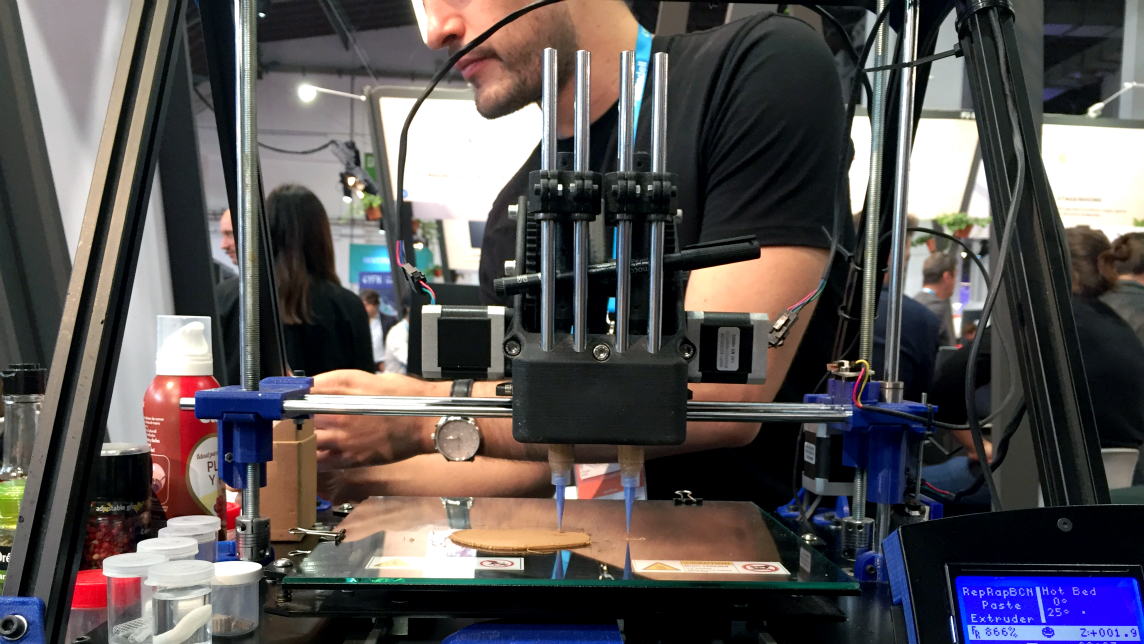
China a “positive environment” for uptake of cultured meat, researcher tells Future Food Asia
But for interested cultured meat companies, China-based Chloe Dempsey suggests it would be better to wait, observe and learn more about the market before trying to tap its massive potential
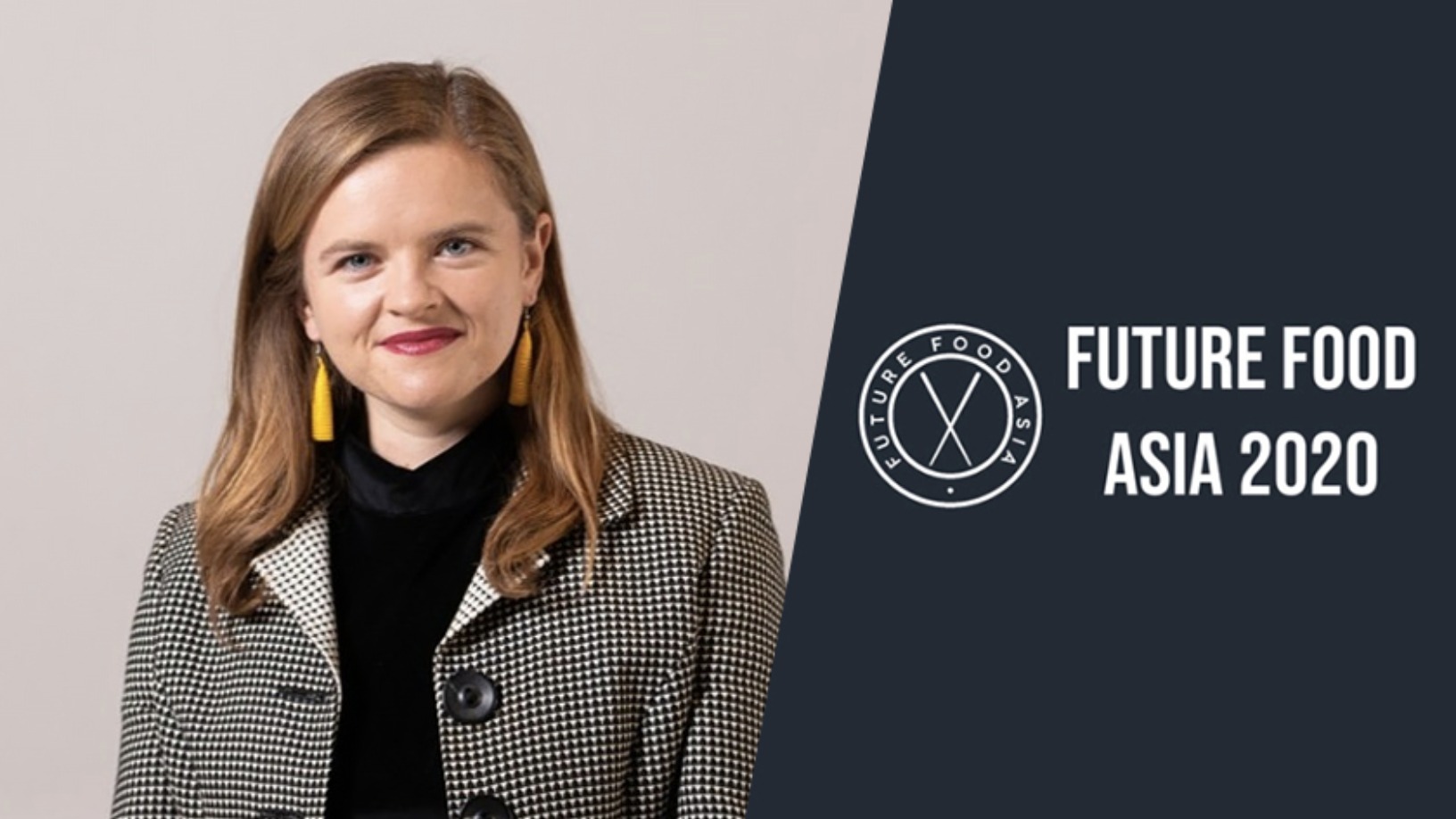
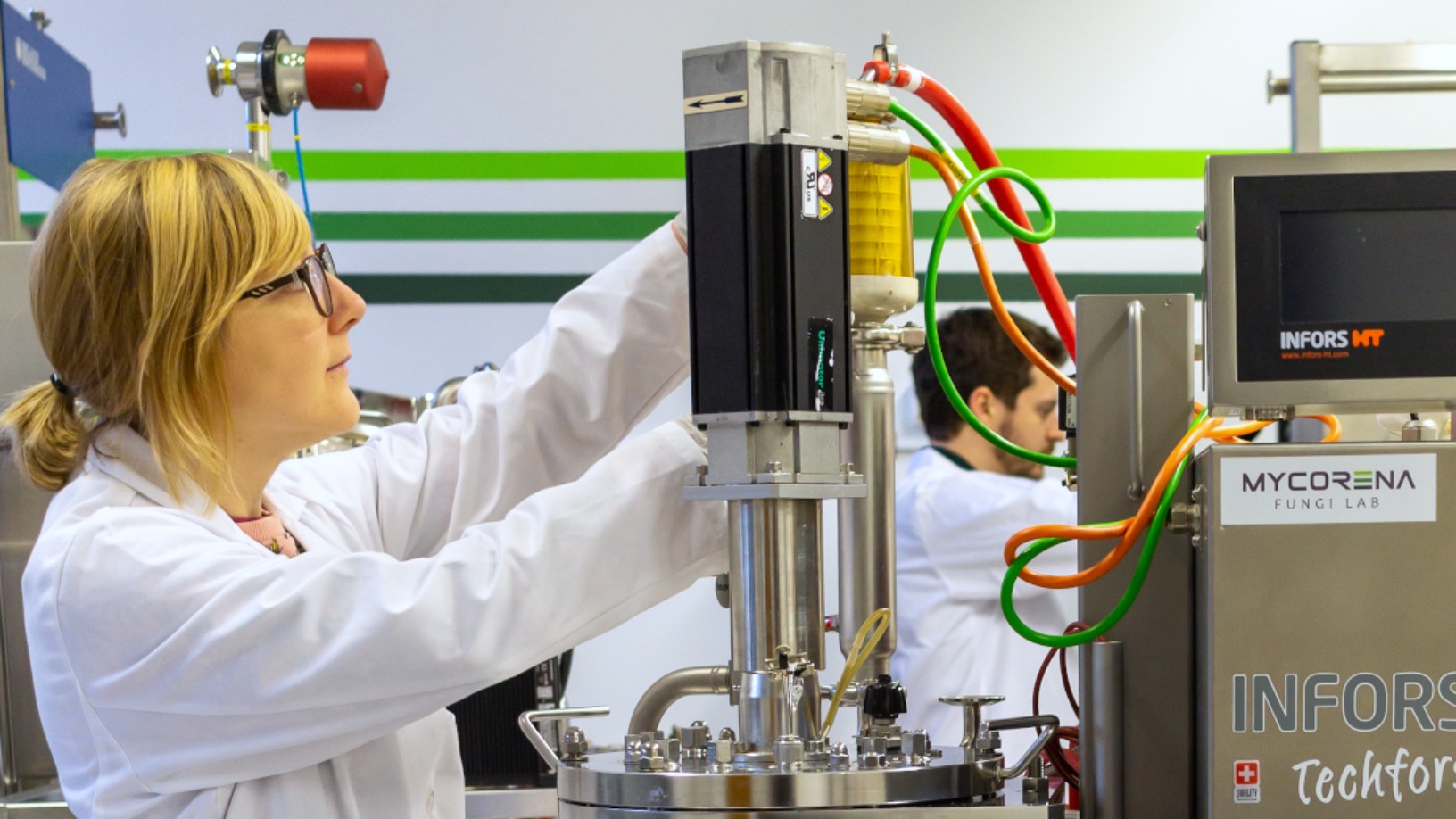
Mycorena: Fungi-based vegan protein challenging traditional plant-based ingredients
Award-winning Swedish biotech startup is scaling production of mycoprotein to become a key player in the emerging market for functional proteins
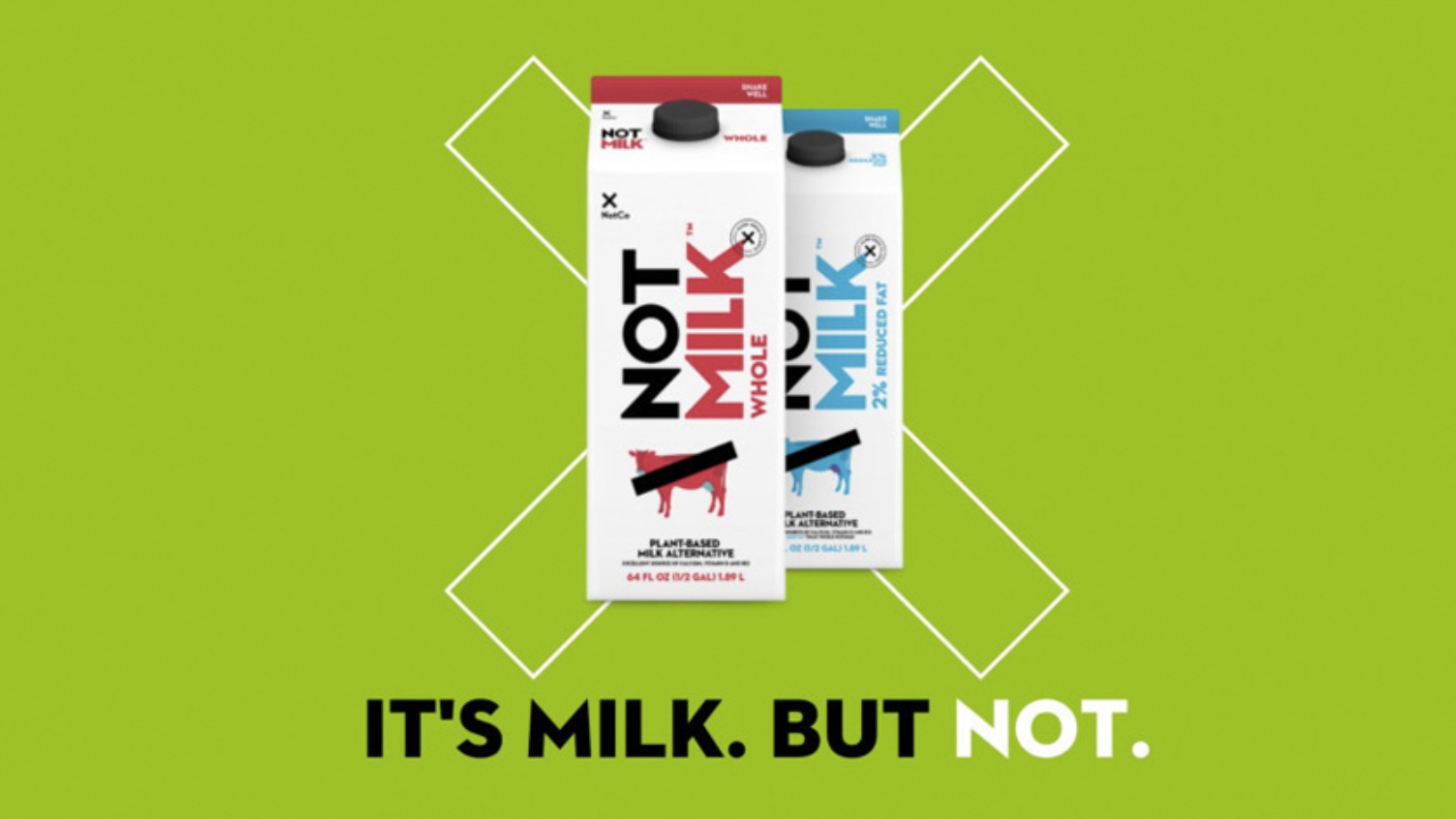
NotCo: Will this Bezos-backed plant-based foodtech be Chile's first unicorn?
Armed with $85m Series C funding, NotCo has expanded to the US, competing head-on with popular US alt-protein brands for a foothold in the multibillion-dollar vegan market
Sorry, we couldn’t find any matches for “Plant-based meat”.
POPULAR DATABASE