Cell-based leather
-
DATABASE (859)
-
ARTICLES (602)
Co-founder, CTO of Meatable
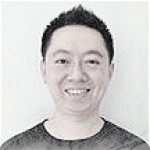
Daan Luining is the Dutch co-founder and CTO at cell-based meat startup Meatable, the first to claim a highly scalable culture technology, where he has worked since 2018. He is also a research director at the Cellular Agriculture Society in Leiden, a joint initiative for cell-based startups to share knowledge and to collaborate on projects to further scale the sector. Luining is also on the board of directors at the not-for-profit Cultured Meat Foundation that promotes sector innovation. His past posts have all been in the area of research, either as a researcher or a technician, and at the same time as completing studies. His last job was as a research strategist at New York-based New Harvest, a callular food rsearch funding body, where he worked for a year and met Dr. Kotter, the inventor of Meatable’s cellular technology. His research positions from 2009–15 were in the area of cell culture, mass spectrometry and DNA sequencing at the Maastricht University, University Medical Center Amsterdam, Utrecht University and Leiden University. Luining holds a master’s in biological sciences from Leiden University in the Netherlands.

Daan Luining is the Dutch co-founder and CTO at cell-based meat startup Meatable, the first to claim a highly scalable culture technology, where he has worked since 2018. He is also a research director at the Cellular Agriculture Society in Leiden, a joint initiative for cell-based startups to share knowledge and to collaborate on projects to further scale the sector. Luining is also on the board of directors at the not-for-profit Cultured Meat Foundation that promotes sector innovation. His past posts have all been in the area of research, either as a researcher or a technician, and at the same time as completing studies. His last job was as a research strategist at New York-based New Harvest, a callular food rsearch funding body, where he worked for a year and met Dr. Kotter, the inventor of Meatable’s cellular technology. His research positions from 2009–15 were in the area of cell culture, mass spectrometry and DNA sequencing at the Maastricht University, University Medical Center Amsterdam, Utrecht University and Leiden University. Luining holds a master’s in biological sciences from Leiden University in the Netherlands.
Co-founder of Meatable
Mark Kotter is the Austrian co-founder at Dutch cell-based meat startup Meatable, the first to use pluripotent stem cells and claim a highly scalable culture technology, which was developed by Kotter prior to founding the startup in 2018. He is also founder at his biotech startup, bit.bio, which is based in Cambridge, UK, since 2016, where he applies his cellular technological innovation to human stem cell research and has raised investments totaling $42m. His main full-time position is at the University of Cambridge, where he has worked since 2009. He has spent more than five years as a clinician-scientist in stem cell research and was previously a lecturer in neurosurgery. Kotter also lectures at Paris Descartes University and is a team leader at the UK’s National Institute for Health Research’s Brain Injury MedTech Co-operative. He also founded Myelopathy.org to raise awareness of cervical myelopathy. His past positions were as a research group leader at the Max Planck Institute for Experimental Medicine for one year, and for two years spent at the Medical University of Vienna. Kotter holds two doctorates; one in philosophy from the University of Cambridge and the other in medicine from the University of Graz in Austria. Kotter also holds a master’s in philosophy from the University of Cambridge.

Mark Kotter is the Austrian co-founder at Dutch cell-based meat startup Meatable, the first to use pluripotent stem cells and claim a highly scalable culture technology, which was developed by Kotter prior to founding the startup in 2018. He is also founder at his biotech startup, bit.bio, which is based in Cambridge, UK, since 2016, where he applies his cellular technological innovation to human stem cell research and has raised investments totaling $42m. His main full-time position is at the University of Cambridge, where he has worked since 2009. He has spent more than five years as a clinician-scientist in stem cell research and was previously a lecturer in neurosurgery. Kotter also lectures at Paris Descartes University and is a team leader at the UK’s National Institute for Health Research’s Brain Injury MedTech Co-operative. He also founded Myelopathy.org to raise awareness of cervical myelopathy. His past positions were as a research group leader at the Max Planck Institute for Experimental Medicine for one year, and for two years spent at the Medical University of Vienna. Kotter holds two doctorates; one in philosophy from the University of Cambridge and the other in medicine from the University of Graz in Austria. Kotter also holds a master’s in philosophy from the University of Cambridge.
CEO and co-founder of Because Animals
Shannon Falconer graduated with a master’s in botany at the University of Vancouver in 2006. She also completed a PhD in biochemistry at The McMaster University in 2014. She went on to work as a postdoctoral researcher at Stanford University until 2016 when she decided to become the CEO and co-founder of biotech startup Because Animals. She also led the biotech’s R&D team to develop plant-based nutritional cookies and treats for dog and cats. Because Animals now aims to produce the world’s first cell-based cultured meat products for pets.
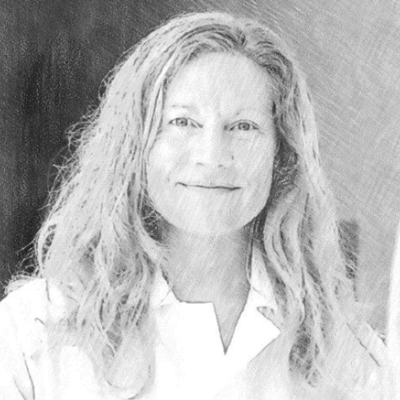
Shannon Falconer graduated with a master’s in botany at the University of Vancouver in 2006. She also completed a PhD in biochemistry at The McMaster University in 2014. She went on to work as a postdoctoral researcher at Stanford University until 2016 when she decided to become the CEO and co-founder of biotech startup Because Animals. She also led the biotech’s R&D team to develop plant-based nutritional cookies and treats for dog and cats. Because Animals now aims to produce the world’s first cell-based cultured meat products for pets.
Beyond Leather Materials / Leap
Vegan leather made from apple waste is recyclable and biodegradable; produces 85% less CO2, uses 99% less water than leather; for sustainable textiles and fashion.


Vegan leather made from apple waste is recyclable and biodegradable; produces 85% less CO2, uses 99% less water than leather; for sustainable textiles and fashion.
Rick Klausner is an award-winning scientist, former executive director of the Bill & Melinda Gates Foundation and an entrepreneur. Cell and molecular biologist Klausner was also director of the US National Cancer Institute from 1999-2001 and currently serves as CEO at biotech Lyell Immunopharma working with cell-based technology. He has also co-founded three US healthcare startups to date, Juno Therapeutics in 2013, MindStrong Health in 2014 and GRAIL in 2015. In 2021, he participated as an investor in the $48m Series A round of Dutch cell-based meat startup Meatable which leverages pluripotent stem cells for the first time in foodtech.
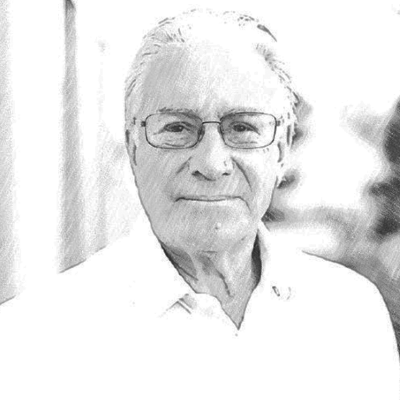
Rick Klausner is an award-winning scientist, former executive director of the Bill & Melinda Gates Foundation and an entrepreneur. Cell and molecular biologist Klausner was also director of the US National Cancer Institute from 1999-2001 and currently serves as CEO at biotech Lyell Immunopharma working with cell-based technology. He has also co-founded three US healthcare startups to date, Juno Therapeutics in 2013, MindStrong Health in 2014 and GRAIL in 2015. In 2021, he participated as an investor in the $48m Series A round of Dutch cell-based meat startup Meatable which leverages pluripotent stem cells for the first time in foodtech.
Founder of TreeFrog Therapeutics
Kévin Alessandri is CEO, CTO and co-founder of TreeFrog Therapeutics, whose proprietory C-Stem technology mass-produces high-quality pluripotent stem cells in a 3D environment. Prior to founding TreeFrog in 2018, Alessandri spent two years as a post-doctoral fellow at Bordeaux’s Institut d’Optique. During 2014 and 2015, he completed a post-doctorate at the University of Geneva, focused on developing 3D printed microfluidics systems to build 3D cell culture vessels for stem cell applications. From 2008 to 2013 he completed a PhD on cellular capsules technology and applications at the Institut Curie in Paris.
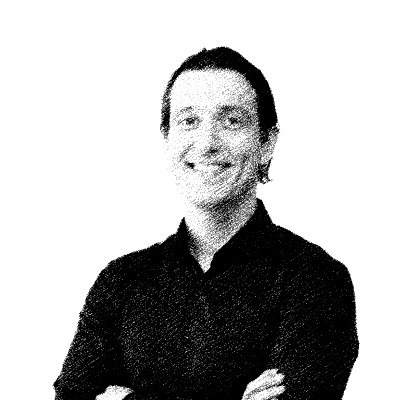
Kévin Alessandri is CEO, CTO and co-founder of TreeFrog Therapeutics, whose proprietory C-Stem technology mass-produces high-quality pluripotent stem cells in a 3D environment. Prior to founding TreeFrog in 2018, Alessandri spent two years as a post-doctoral fellow at Bordeaux’s Institut d’Optique. During 2014 and 2015, he completed a post-doctorate at the University of Geneva, focused on developing 3D printed microfluidics systems to build 3D cell culture vessels for stem cell applications. From 2008 to 2013 he completed a PhD on cellular capsules technology and applications at the Institut Curie in Paris.
Co-founder, CEO of Meatable
Krijn De Nood is the Dutch co-founder and CEO at cell-based meat startup Meatable, the first to claim a highly scalable culture technology with the use of pluripotent stem cells, where he has worked since 2018. He previously worked at McKinsey for six-and-a-half years in Amsterdam, New York and in Kenya. Prior to that, he worked as an equity derivatives trader at derivative trading company All Options after a short stint at Barclays Capital.De Nood holds two first degrees from the University of Amsterdam, in philosophy and in economics and finance.
Krijn De Nood is the Dutch co-founder and CEO at cell-based meat startup Meatable, the first to claim a highly scalable culture technology with the use of pluripotent stem cells, where he has worked since 2018. He previously worked at McKinsey for six-and-a-half years in Amsterdam, New York and in Kenya. Prior to that, he worked as an equity derivatives trader at derivative trading company All Options after a short stint at Barclays Capital.De Nood holds two first degrees from the University of Amsterdam, in philosophy and in economics and finance.
Jeffrey Leiden is a physician and scientist of more than 40 years, who is currently the executive chairman of US-based multinational biotech company Vertex Pharmaceuticals. Leiden is also the chairman of Casana, a remote healthcare platform and the chairman of Tmunity, a biotech dedicated to T-cell research. In March 2021, he participated as an angel investor in the $48m Series A round of Dutch cell-based meat startup Meatable which leverages pluripotent stem cells for the first time in foodtech.
Jeffrey Leiden is a physician and scientist of more than 40 years, who is currently the executive chairman of US-based multinational biotech company Vertex Pharmaceuticals. Leiden is also the chairman of Casana, a remote healthcare platform and the chairman of Tmunity, a biotech dedicated to T-cell research. In March 2021, he participated as an angel investor in the $48m Series A round of Dutch cell-based meat startup Meatable which leverages pluripotent stem cells for the first time in foodtech.
CEO and co-founder of Beyond Leather Materials / Leap
German native Mikael Eydt graduated in economics in 2016 at Erlangen-Nürnberg’s Friedrich-Alexander University. He worked at his family’s hotel company in Germany while studying at university from 2011 to 2016. Eydt also briefly worked in sales for insurance company Debeka and completed his national service as a soldier in Germany. In 2017, Eydt went back to work as a junior manager at family-owned Hotel Eydt in Kirchheim.Currently based in Copenhagen, he is now the CEO and co-founder of Danish alt-leather biotech, Beyond Leather Materials, that produces vegan leather materials from apple waste. He was responsible for the startup’s business development for two years before becoming CEO in July 2020.

German native Mikael Eydt graduated in economics in 2016 at Erlangen-Nürnberg’s Friedrich-Alexander University. He worked at his family’s hotel company in Germany while studying at university from 2011 to 2016. Eydt also briefly worked in sales for insurance company Debeka and completed his national service as a soldier in Germany. In 2017, Eydt went back to work as a junior manager at family-owned Hotel Eydt in Kirchheim.Currently based in Copenhagen, he is now the CEO and co-founder of Danish alt-leather biotech, Beyond Leather Materials, that produces vegan leather materials from apple waste. He was responsible for the startup’s business development for two years before becoming CEO in July 2020.
Founded in 2011, London-based Agronomics Limited’s principal investing interest is in environmentally-friendly alternatives to the traditional production of meat, wherever they may be located. There are currently 17 companies in its portfolio, all of them in the cellular-based or plant-based protein category and sustainable food production.Its most recent declared investments have been in the March 2021 $48m Series A round of Dutch cell-based meat startup Meatable which leverages pluripotent stem cells for the first time in foodtech, and in the December 2020 undisclosed pre-seed round of Chinese cellular foodtech CellX.

Founded in 2011, London-based Agronomics Limited’s principal investing interest is in environmentally-friendly alternatives to the traditional production of meat, wherever they may be located. There are currently 17 companies in its portfolio, all of them in the cellular-based or plant-based protein category and sustainable food production.Its most recent declared investments have been in the March 2021 $48m Series A round of Dutch cell-based meat startup Meatable which leverages pluripotent stem cells for the first time in foodtech, and in the December 2020 undisclosed pre-seed round of Chinese cellular foodtech CellX.
Co-founder, CCO of Cocuus
Patxi Larumbe is the Spanish CCO and co-founder at 3D printing food tech and cell-based meat startup Cocuus, where he has worked since he co-founded it in 2017. Before Cocuus, Larumbe founded and directed eight other companies, the majority, like Cocuus, also based in Pamplona, Navarre. During his extensive entrepreneurial career, Larumbe had experience with design and manufacturing in 3D processes, which he used to innovate in Cocuus. Before Cocuus, he was a director at his building materials distribution company, On Clima, for two years, which was preceded by a two-year stint heading up Tohama, an IoT tech developer for Somfy products. Prior to that, he was commercial director for 20 years at building services company Terradisa and also founded its Catalonia offices.From 2000–2013, Larumbe was the founder and board member at Acustica Arquitectonica, an acoustic architectural design company and from 1995–2005, he had the same responsibilities at his hospitality company, Ostatu Zaharra. Other companies he founded were were Render (1990–96), Netcorp Factory (1996–2000) and No Solo Futbol ("Not Just Soccer") (2000–2004). Larumbe studied electronics at first degree level in Pamplona.

Patxi Larumbe is the Spanish CCO and co-founder at 3D printing food tech and cell-based meat startup Cocuus, where he has worked since he co-founded it in 2017. Before Cocuus, Larumbe founded and directed eight other companies, the majority, like Cocuus, also based in Pamplona, Navarre. During his extensive entrepreneurial career, Larumbe had experience with design and manufacturing in 3D processes, which he used to innovate in Cocuus. Before Cocuus, he was a director at his building materials distribution company, On Clima, for two years, which was preceded by a two-year stint heading up Tohama, an IoT tech developer for Somfy products. Prior to that, he was commercial director for 20 years at building services company Terradisa and also founded its Catalonia offices.From 2000–2013, Larumbe was the founder and board member at Acustica Arquitectonica, an acoustic architectural design company and from 1995–2005, he had the same responsibilities at his hospitality company, Ostatu Zaharra. Other companies he founded were were Render (1990–96), Netcorp Factory (1996–2000) and No Solo Futbol ("Not Just Soccer") (2000–2004). Larumbe studied electronics at first degree level in Pamplona.
New York-based Humboldt Fund invests in startups with the potential to solve critical issues of our time across the areas of food production, healthcare, energy, and construction and manufacturing materials. It currently has 14 companies in its portfolio. Its most recent investments include in the March 2021 $48m Series A round of Dutch cell-based meat startup Meatable which leverages pluripotent stem cells for the first time in foodtech, and in the February 2021 $16m seed round of US biotech Cellino Biotech.

New York-based Humboldt Fund invests in startups with the potential to solve critical issues of our time across the areas of food production, healthcare, energy, and construction and manufacturing materials. It currently has 14 companies in its portfolio. Its most recent investments include in the March 2021 $48m Series A round of Dutch cell-based meat startup Meatable which leverages pluripotent stem cells for the first time in foodtech, and in the February 2021 $16m seed round of US biotech Cellino Biotech.
Co-founder and CEO of Du'Anyam
Azalea Ayuningtyas has a bachelor’s in Cell and Molecular Biology from the University of Michigan, as well as a master’s in Epidemiology from the Harvard University School of Public Health. She worked for one year as a consultant at Simon-Kucher & Partners in USA before returning to Indonesia to pursue her dream of using her skills to help people. In 2014, she co-founded Du’Anyam together with two high school friends. Azalea is the CEO of the social enterprise that seeks to empower women from Indonesia’s subsistence farming households.

Azalea Ayuningtyas has a bachelor’s in Cell and Molecular Biology from the University of Michigan, as well as a master’s in Epidemiology from the Harvard University School of Public Health. She worked for one year as a consultant at Simon-Kucher & Partners in USA before returning to Indonesia to pursue her dream of using her skills to help people. In 2014, she co-founded Du’Anyam together with two high school friends. Azalea is the CEO of the social enterprise that seeks to empower women from Indonesia’s subsistence farming households.
Established in 2018, Jensen Group Investment Fund is the generalist investment fund of Danish entrepreneur Steen Ulf Jensen, founder of the Jensen Group, a global manufacturer of machines for the heavy-duty laundry industry based in Belgium. Jensen was also the CEO of Box TV and Digicel Cabel. The fund has so far invested in four startups with Jensen becoming board chairman at the investee companies. In 2020, the fund acquired stakes in the July €1.1m seed round of Danish alt-leather biotech Beyond Leather Materials and in the funding of Danish bike lock startup PentaLock earlier in March.
Established in 2018, Jensen Group Investment Fund is the generalist investment fund of Danish entrepreneur Steen Ulf Jensen, founder of the Jensen Group, a global manufacturer of machines for the heavy-duty laundry industry based in Belgium. Jensen was also the CEO of Box TV and Digicel Cabel. The fund has so far invested in four startups with Jensen becoming board chairman at the investee companies. In 2020, the fund acquired stakes in the July €1.1m seed round of Danish alt-leather biotech Beyond Leather Materials and in the funding of Danish bike lock startup PentaLock earlier in March.
500 Startups is a global venture capital seed fund and startup accelerator based in Silicon Valley.

500 Startups is a global venture capital seed fund and startup accelerator based in Silicon Valley.
Kuaipeilian wins largest seed round in China arts education sector
In the hotly contested online-to-offline piano tutoring market, will an injection of funds help Kuaipeilian trounce the competition?

Investing in Indonesia: The fintech companies driving a new influx of capital
With 66% of Indonesians not owning a bank account, fintech startups have come up with myriad innovative products to entice a new generation of retail investors

Infervision: AI-screening platform helps doctors detect Covid-19 infection within 10 seconds
Chinese medtech lets doctors analyze chest CT scans to diagnose Covid-19 with 98% accuracy; first used in Wuhan, Infervision's system has also been deployed in Japan, Italy and the US
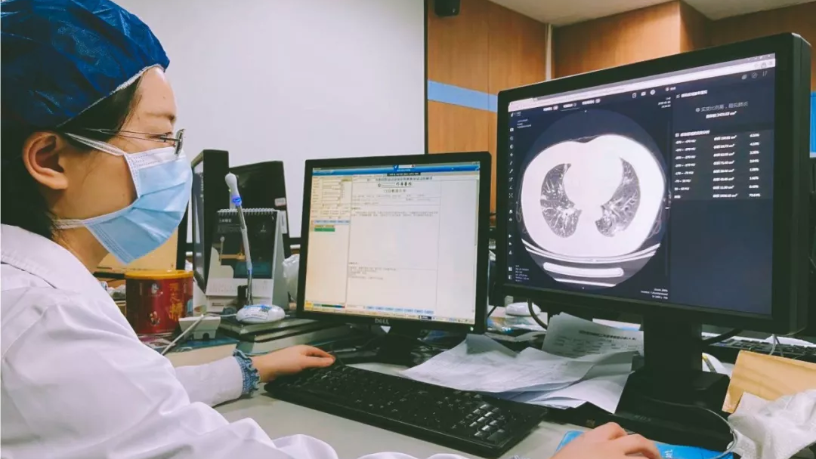
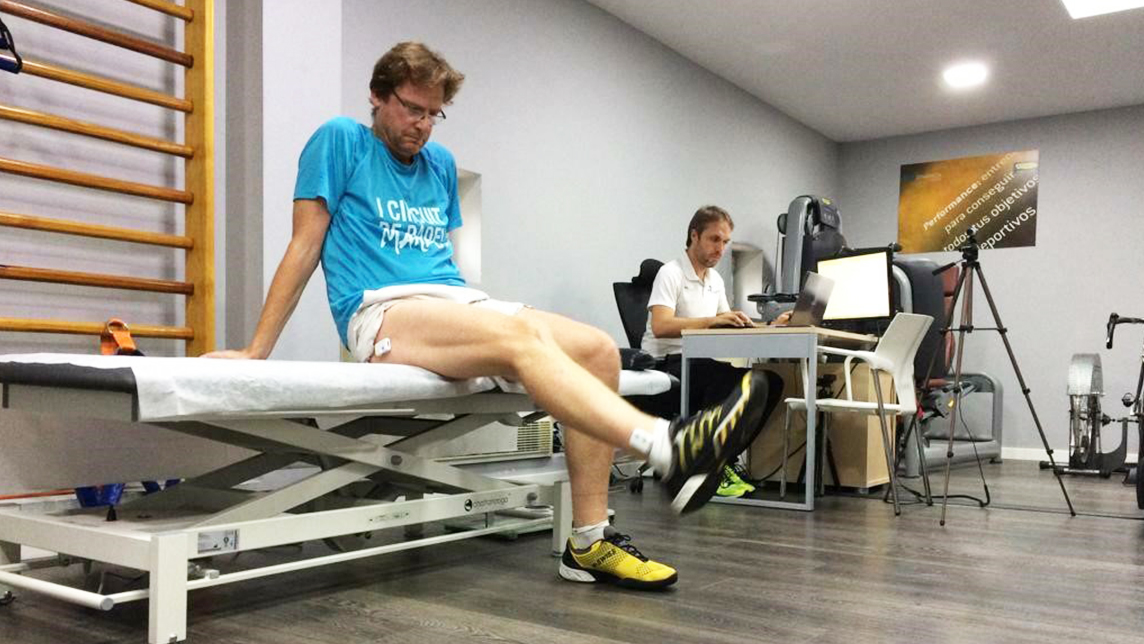
Backed by pharmas, doctors, medtech startup DyCare is expanding fast across Europe
Its remote musculoskeletal rehabilitation and monitoring system sets to improve rehabilitation outcomes in an overtaxed sector
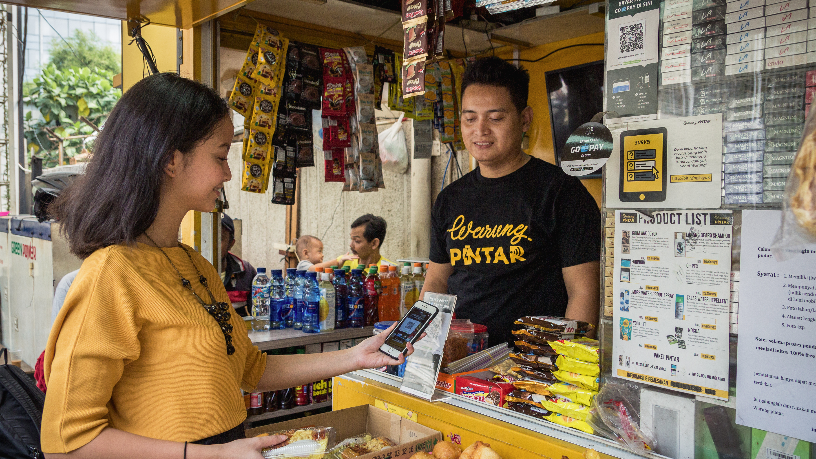
Warung Pintar: Creating a little place of happiness with smart kiosks
CEO Agung Bezharie Hadinegoro on how Warung Pintar is tapping IoT and other digital tech to unleash the economic potential of Indonesia's traditional street vendors
IP Buoys: Mooring 4.0 smart buoys to protect marine ecosystems
Save the Posidonia! That’s the call from enterprising sailors who, with their startup IP Buoys, have found a way to protect the seagrass and marine life from the damaging impact of nautical tourism
iPinYou CEO: “It’s possible to capture 70–80% of market”
One of the first local firms to bring audience-targeted and programmatic ad buying to China, iPinyou now handles 18 billion ads daily, ruling the large brands market
Onesight: Reducing building construction errors with 3D, AR/VR visualization apps
Shanghai-based Onesight provides a digital alternative to 2D architectural drawings for teams working on construction sites

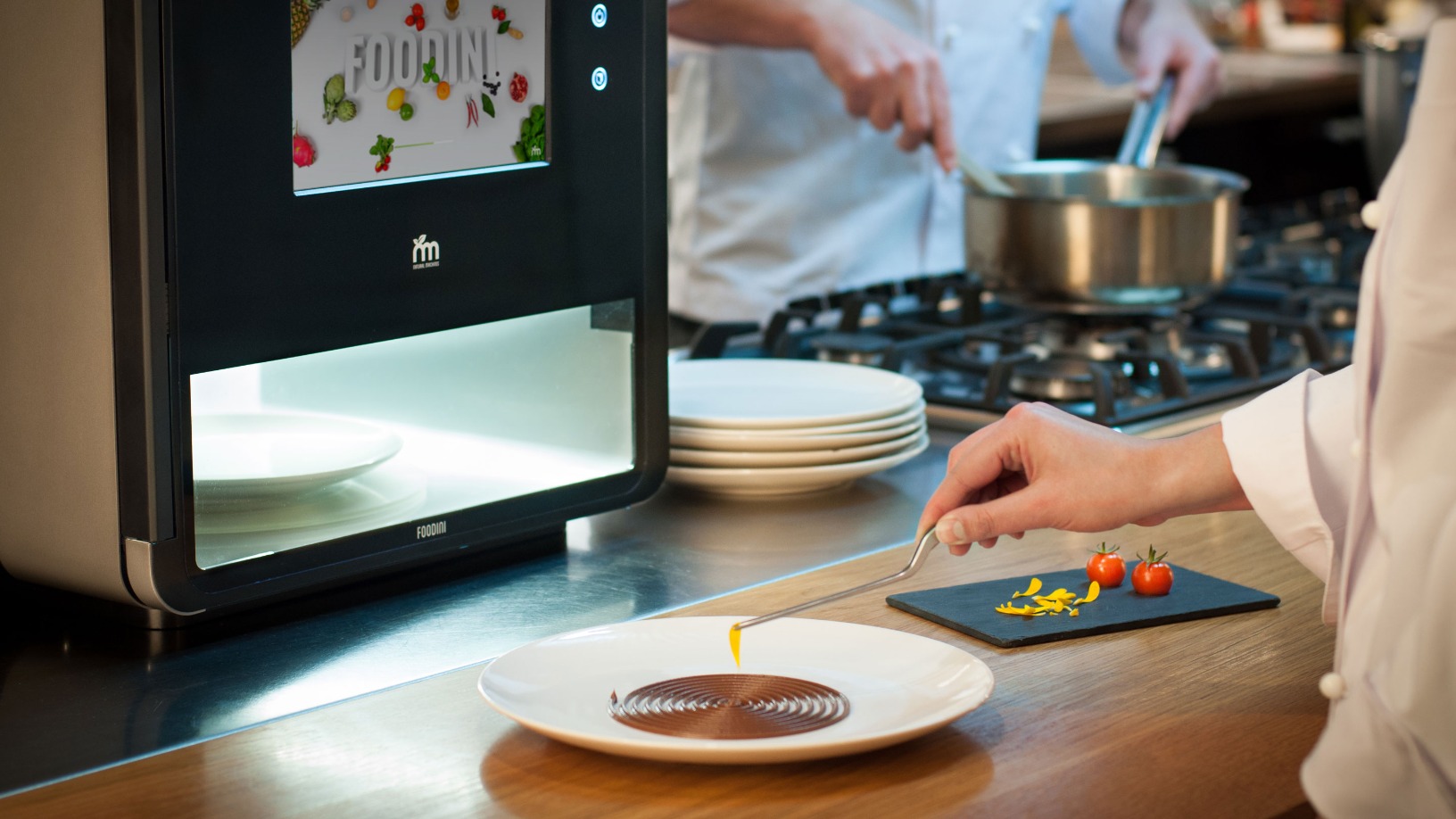
3D printing foodtech Natural Machines joins Euronext's pre-IPO training program
With its 3D printed vegan candies and snowflake pizzas, Natural Machines already has more than 300 companies using its Foodini food printer, which it’s upgrading with laser tech for simultaneous cooking too
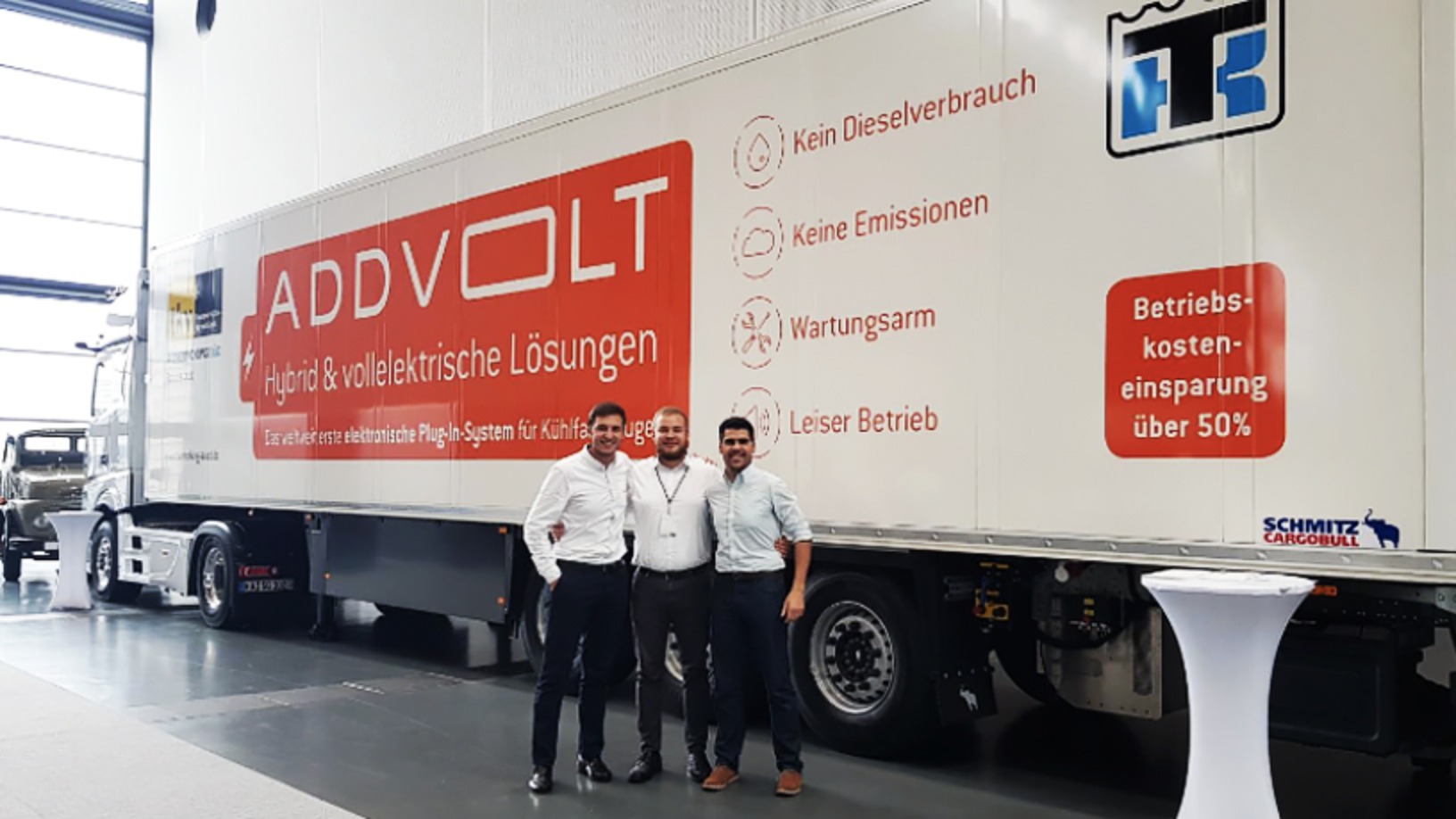
AddVolt: Taking the diesel out of cold-chain transport to make it cleaner, more efficient
The Porto-based startup is winning over the refrigerated goods transportation industry in Europe with the world's first renewable energy plug-in electrical system for the sector
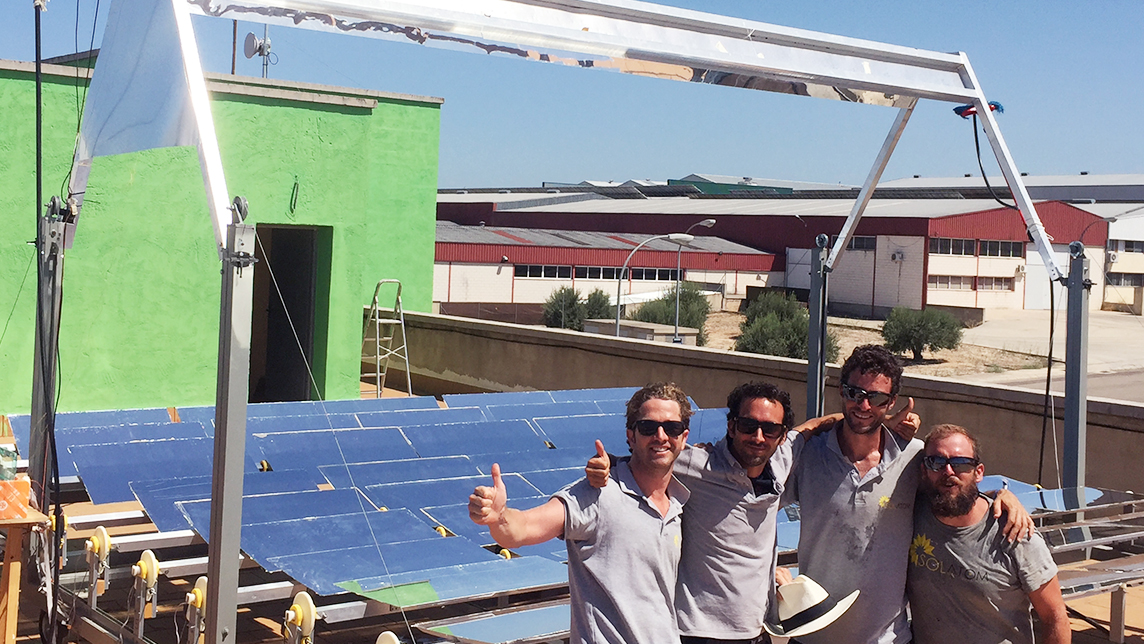
Solatom: Cost-effective flatpack mobile solar energy units for SMEs
Solatom's turnkey solar thermal solutions can cut energy costs by 37%. Its real-time data analytics can also be used to ensure that the industrial processing units are operating at optimal conditions
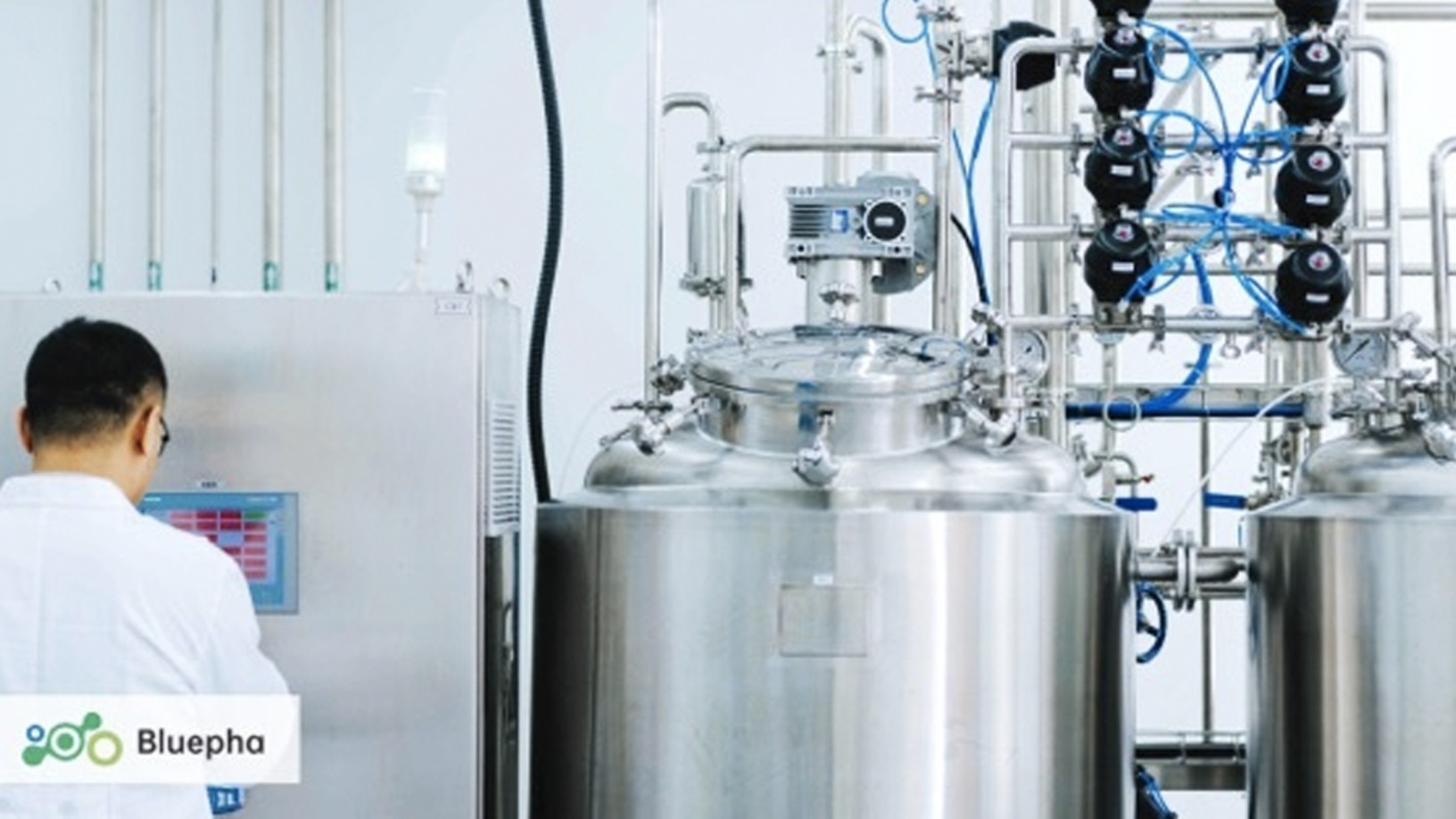
Bluepha to boost PHA bioplastics production with $30m fresh funding
The Beijing-based startup aims to produce 10,000 tons of PHA bioplastic a year and build a SynBio community through its STEM education spinoff, Bluepha Lab
ScentRealm: Digitally reproducing scents on demand
Unlike colors and sounds, scents are hard to code and digitalize. ScentRealm has not only done it, but has also opened its scent editor and database to the public

HumanITcare: Covid-19 spurs demand for telemedicine across Spain and beyond
The startup’s revenue is expected to exceed €10m by 2024 due to rapid digital transformation of healthcare services and a growing market for AI-powered medtechs

Future Food Asia 2021: Agrifood tech at an inflection point
Agrifood tech startups urged to harness consumer, investor and government feedback to create plentiful, nutritious food through sustainable means, but exercise caution when considering IPOs

Sorry, we couldn’t find any matches for “Cell-based leather”.
POPULAR DATABASE