Good Food Institute
-
DATABASE (332)
-
ARTICLES (471)
Launched in 2015 in Brussels, EIT Food was established by the not-for-profit European Institute of Innovation & Technology (EIT) and funded by the European Union as an investor and accelerator. Its aim is to support mainly European startups in foodtech areas ranging from traceability to alternative proteins, with sustainability a key deciding factor in the startups it backs from pre-seed to Series-B level. The organization currently has 55 startups in its portfolio, which raised more than €91m in investments in 2020. Its most recent investments include 700,000 Swiss francs (€637,000) in the seed round in January 2021 of Swiss biotech SwissDeCode, a company that applies DNA testing to food traceability. Another investment was the December 2020 €900,000 seed round of Spanish compostable-packaging tech Food Sourcing Specialists.

Launched in 2015 in Brussels, EIT Food was established by the not-for-profit European Institute of Innovation & Technology (EIT) and funded by the European Union as an investor and accelerator. Its aim is to support mainly European startups in foodtech areas ranging from traceability to alternative proteins, with sustainability a key deciding factor in the startups it backs from pre-seed to Series-B level. The organization currently has 55 startups in its portfolio, which raised more than €91m in investments in 2020. Its most recent investments include 700,000 Swiss francs (€637,000) in the seed round in January 2021 of Swiss biotech SwissDeCode, a company that applies DNA testing to food traceability. Another investment was the December 2020 €900,000 seed round of Spanish compostable-packaging tech Food Sourcing Specialists.
Founder and CEO of Wendy's Choice
Former editor-in-chief at Trends Media Group (publisher of Harper’s Bazaar, Cosmopolitan, Trends Home in China), where she was the publisher and editor-in-chief of “Good Housekeeper” and “Good Housekeeping” for eight years. Wen Jie graduated from the Beijing Institute of Fashion Technology and Kent State University (media studies), USA.

Former editor-in-chief at Trends Media Group (publisher of Harper’s Bazaar, Cosmopolitan, Trends Home in China), where she was the publisher and editor-in-chief of “Good Housekeeper” and “Good Housekeeping” for eight years. Wen Jie graduated from the Beijing Institute of Fashion Technology and Kent State University (media studies), USA.
Lever VC was founded in 2018 by Nick Cooney, an early investor of Beyond Meat and Memphis Meats. He is also the co-founder of Good Food Institute. Lever has currently invested in 14 startups from the US, Europe, Asia and Latin America.Focused on investments in early-stage alternative protein companies, the firm announced the first close of its Lever VC Fund I in August 2020, with its fourth close at $46m in April 2021. The final close will be completed by June 2021. Investors in the fund include NFL and NBA athletes, British nobility, food businesses, alt-protein companies and family offices as limited partners.In June 2020, Lever launched a $28m joint investment fund and accelerator to invest in Chinese plant-based and cell-cultivated meat and dairy companies. The Lever China Alternative Protein Fund will invest RMB 40m in alt-protein companies in mainland China over the next four years.

Lever VC was founded in 2018 by Nick Cooney, an early investor of Beyond Meat and Memphis Meats. He is also the co-founder of Good Food Institute. Lever has currently invested in 14 startups from the US, Europe, Asia and Latin America.Focused on investments in early-stage alternative protein companies, the firm announced the first close of its Lever VC Fund I in August 2020, with its fourth close at $46m in April 2021. The final close will be completed by June 2021. Investors in the fund include NFL and NBA athletes, British nobility, food businesses, alt-protein companies and family offices as limited partners.In June 2020, Lever launched a $28m joint investment fund and accelerator to invest in Chinese plant-based and cell-cultivated meat and dairy companies. The Lever China Alternative Protein Fund will invest RMB 40m in alt-protein companies in mainland China over the next four years.
Founded in Berlin in 2016, Atlantic Food Labs’ mission is to support startups with the potential to feed 10bn people by 2050. It has supported 20 companies to date and its most recent investments include in the German healthy last-minute delivery service Gorillas’ $290m Series B round and in the €5.9m seed round of B2B German retail connection service Magaloop in March 2021.
Founded in Berlin in 2016, Atlantic Food Labs’ mission is to support startups with the potential to feed 10bn people by 2050. It has supported 20 companies to date and its most recent investments include in the German healthy last-minute delivery service Gorillas’ $290m Series B round and in the €5.9m seed round of B2B German retail connection service Magaloop in March 2021.
Co-Founder and COO of Zuoyehezi (Homework Box)
Baidu’s former manager, in strategic cooperation; following years of working in secondary education. Good friend of Liu’s for many years.

Baidu’s former manager, in strategic cooperation; following years of working in secondary education. Good friend of Liu’s for many years.
CEO of NutraSign
The co-founder and CEO of NutraSign Abraham Gómez Toro is passionate about creating apps for good causes. His road safety app "Watch Out" won him a scholarship at an international design competition "Creative Diary 2013" run by the Institute of European Design (IED).Originally from Venezuela, he studied graphic design at IED Madrid in 2014 and completed a master’s course at the Animum Creativity Advanced School in Malaga in 2018. Based in Madrid, he also works as a creative director at nutri-holistic products company Biomol Care SL and as a visual designer for e-learning site Banana Exams.

The co-founder and CEO of NutraSign Abraham Gómez Toro is passionate about creating apps for good causes. His road safety app "Watch Out" won him a scholarship at an international design competition "Creative Diary 2013" run by the Institute of European Design (IED).Originally from Venezuela, he studied graphic design at IED Madrid in 2014 and completed a master’s course at the Animum Creativity Advanced School in Malaga in 2018. Based in Madrid, he also works as a creative director at nutri-holistic products company Biomol Care SL and as a visual designer for e-learning site Banana Exams.
Advanced sous-vide aseptic packaging (ASAP) technology extending the shelf-life of food to two years without refrigeration, preservatives or chemicals, potentially disrupting cold chain logistics

Advanced sous-vide aseptic packaging (ASAP) technology extending the shelf-life of food to two years without refrigeration, preservatives or chemicals, potentially disrupting cold chain logistics
CEO and co-founder of OLIO
Tessa Clarke is the British CEO and co-founder of food-sharing app OLIO that was inspired by her experience of having to throw away perfectly good unused food when she was packing up to move from Switzerland back to the UK in 2014.After graduating with a first-class degree in social and political sciences at the University of Cambridge in UK in 1997, she worked for three years at the Boston Consulting Group as a junior associate. She joined an MBA program at Stanford University Graduate School of Business in 2002 and met Saasha Celestial-One, who was also studying for an MBA at Stanford. In 2015, Clarke and Celestial-One decided to use their savings to create a food-sharing app OLIO after successfully testing the idea as a private WhatsApp group in North London.Before becoming an entrepreneur in 2015, Clarke has held various senior management roles since completing her MBA in 2004. She worked for global business publisher EMAP from 2005 until 2009, when she joined Dyson Inc as e-commerce managing director (MD). In 2013, she left Dyson to become MD of fintech PayLater based in Switzerland run by the Wonga payday loan company. Known then as Tessa Cook, she later became Wonga’s MD for eight months when she was tasked with “cleaning up” the tarnished reputation of the high interest loan company. From 2013 to 2021, she was also chair of the management board of St George’s Palace, a boutique apart-hotel and spa complex in Bansko, Bulgaria.In 2018, she became a fellow at Unreasonable, an organization that supports social and environmental entrepreneurship. For two years until 2021, Clarke was ambassador for the Meaningful Business 100 global event that advocates the achievement of the UN’s Sustainable Development Goals. She was also a board member for six years at Contentive, a global B2B media and information company. In 2021, her busy schedule now includes becoming a business mentor for not-for-profit Virgin Startup.

Tessa Clarke is the British CEO and co-founder of food-sharing app OLIO that was inspired by her experience of having to throw away perfectly good unused food when she was packing up to move from Switzerland back to the UK in 2014.After graduating with a first-class degree in social and political sciences at the University of Cambridge in UK in 1997, she worked for three years at the Boston Consulting Group as a junior associate. She joined an MBA program at Stanford University Graduate School of Business in 2002 and met Saasha Celestial-One, who was also studying for an MBA at Stanford. In 2015, Clarke and Celestial-One decided to use their savings to create a food-sharing app OLIO after successfully testing the idea as a private WhatsApp group in North London.Before becoming an entrepreneur in 2015, Clarke has held various senior management roles since completing her MBA in 2004. She worked for global business publisher EMAP from 2005 until 2009, when she joined Dyson Inc as e-commerce managing director (MD). In 2013, she left Dyson to become MD of fintech PayLater based in Switzerland run by the Wonga payday loan company. Known then as Tessa Cook, she later became Wonga’s MD for eight months when she was tasked with “cleaning up” the tarnished reputation of the high interest loan company. From 2013 to 2021, she was also chair of the management board of St George’s Palace, a boutique apart-hotel and spa complex in Bansko, Bulgaria.In 2018, she became a fellow at Unreasonable, an organization that supports social and environmental entrepreneurship. For two years until 2021, Clarke was ambassador for the Meaningful Business 100 global event that advocates the achievement of the UN’s Sustainable Development Goals. She was also a board member for six years at Contentive, a global B2B media and information company. In 2021, her busy schedule now includes becoming a business mentor for not-for-profit Virgin Startup.
Catalan Finance Institute (ICF)
Owned by the Catalan Government, the Catalan Finance Institute (ICF) is a public institution that offers a range of financing solutions, including loans and venture capital. ICF aims to boost private angel and seed investments within the Catalan entrepreneurial ecosystem, while diversifying its investment sources. In 2012, ICF started investing in early-stage startups based in the Catalan territory, providing equity loans of between €50,000 and €200,000. It also participates in syndicated funding within a network of Catalan business angels.
Owned by the Catalan Government, the Catalan Finance Institute (ICF) is a public institution that offers a range of financing solutions, including loans and venture capital. ICF aims to boost private angel and seed investments within the Catalan entrepreneurial ecosystem, while diversifying its investment sources. In 2012, ICF started investing in early-stage startups based in the Catalan territory, providing equity loans of between €50,000 and €200,000. It also participates in syndicated funding within a network of Catalan business angels.
Co-Founder and Chairman of iGrow
Agricultural and food engineer Muhaimin Iqbal graduated from Bogor Institute of Agriculture in 1985. He has over 10 years of experience in the plantation sector and has founded several companies including 101 Salad and Natural Resources Indonesia. He is currently the chairman for Gerai Dinar Group, Indonesia Waqf Fund Foundation, Biomass Energy Indonesia and Badr Interactive.
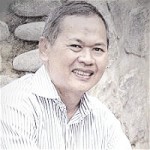
Agricultural and food engineer Muhaimin Iqbal graduated from Bogor Institute of Agriculture in 1985. He has over 10 years of experience in the plantation sector and has founded several companies including 101 Salad and Natural Resources Indonesia. He is currently the chairman for Gerai Dinar Group, Indonesia Waqf Fund Foundation, Biomass Energy Indonesia and Badr Interactive.
CEO and founder of Les Noveaux Affineurs
Nour Akbaraly completed a master’s in engineering at Centrale Lille and also a master’s in applied mathematics at Lille University in 2010. In 2011, Akbaraly joined industrial manufacturing consultancy firm Avencore as a consultant in Paris.The avid photographer and F&B enthusiast also went to various tea-tasting classes at a tea specialist college until 2015. Passionate about gastronomy, he began exploring alt-protein alternatives to address the environmental and ethical challenges of food supply chains.In 2016, he went on an engineering training course for agronomy and agri-food at AgroSup Dijon, the National Institute of Agronomic, Food and Environmental Sciences.A year later, he founded Les Noveaux Affineurs, a startup specializing in plant-based alternatives to cheese. His ambition is to create a new range of French gastronomic vegan cheese products for consumers in France and overseas.Since 2010, Akbaraly is also a volunteer at the Action Contre la Faim, a Paris-based international NGO founded in 1979. The “Action Against Hunger” projects include running awareness campaigns on food security issues in colleges and schools in France and other countries like India and Sudan.
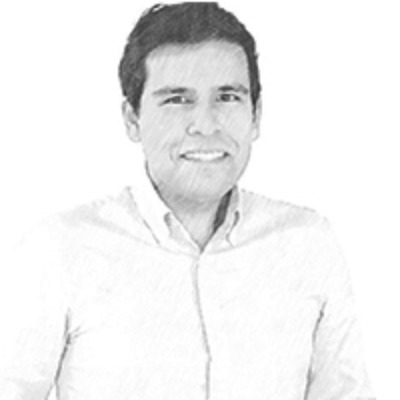
Nour Akbaraly completed a master’s in engineering at Centrale Lille and also a master’s in applied mathematics at Lille University in 2010. In 2011, Akbaraly joined industrial manufacturing consultancy firm Avencore as a consultant in Paris.The avid photographer and F&B enthusiast also went to various tea-tasting classes at a tea specialist college until 2015. Passionate about gastronomy, he began exploring alt-protein alternatives to address the environmental and ethical challenges of food supply chains.In 2016, he went on an engineering training course for agronomy and agri-food at AgroSup Dijon, the National Institute of Agronomic, Food and Environmental Sciences.A year later, he founded Les Noveaux Affineurs, a startup specializing in plant-based alternatives to cheese. His ambition is to create a new range of French gastronomic vegan cheese products for consumers in France and overseas.Since 2010, Akbaraly is also a volunteer at the Action Contre la Faim, a Paris-based international NGO founded in 1979. The “Action Against Hunger” projects include running awareness campaigns on food security issues in colleges and schools in France and other countries like India and Sudan.
Design to Improve Life Fund (The INDEX Project)
The Index Project, known by its motto “Design to Improve Life”, is a Copenhagen-based non-profit organization under the patronage of the Crown Prince and Princess of Denmark and supported by the Danish Ministry of Business and Growth.Founded in 2002, The Index Project organizes the biennial Index Award, one of the world's biggest design award. A diverse range of designs are selected through each Index Award cycle. It also backs projects with good causes through investment vehicle, Design to Improve Life Fund that has stakes in 11 solutions, ranging from seed to Series B+.
The Index Project, known by its motto “Design to Improve Life”, is a Copenhagen-based non-profit organization under the patronage of the Crown Prince and Princess of Denmark and supported by the Danish Ministry of Business and Growth.Founded in 2002, The Index Project organizes the biennial Index Award, one of the world's biggest design award. A diverse range of designs are selected through each Index Award cycle. It also backs projects with good causes through investment vehicle, Design to Improve Life Fund that has stakes in 11 solutions, ranging from seed to Series B+.
CTO and co-founder of The Not Company (NotCo)
Karim Pichara has a PhD in Computer Science from the Catholic University of Chile where he has been working for over 10 years since 2010. From 2011, Karim Pichara has also been working as a research associate at the Institute of Applied Computer Science, Harvard University, specializing in data mining and machine learning for astronomy. In November 2015, while at Harvard, Pichara and Matías Muchnick co-founded a plant-based foodtech, The Not Company (NotCo). Pichara became the CTO and headed the development of NotCo’s algorithm called “Giuseppe” that can analyze molecular structures of animal-based food to create similar plant-based food that cater to the human perception of taste and texture.
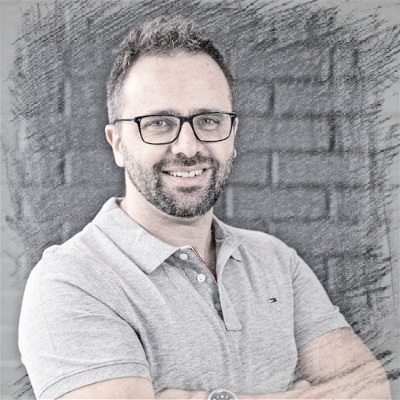
Karim Pichara has a PhD in Computer Science from the Catholic University of Chile where he has been working for over 10 years since 2010. From 2011, Karim Pichara has also been working as a research associate at the Institute of Applied Computer Science, Harvard University, specializing in data mining and machine learning for astronomy. In November 2015, while at Harvard, Pichara and Matías Muchnick co-founded a plant-based foodtech, The Not Company (NotCo). Pichara became the CTO and headed the development of NotCo’s algorithm called “Giuseppe” that can analyze molecular structures of animal-based food to create similar plant-based food that cater to the human perception of taste and texture.
Yangtze Delta Region Institute of Tsinghua University, Zhejiang
Yangtze Delta Region Research Institute of Tsinghua University, Zhejiang was co-founded by the provincial government of Zhejiang and Tsinghua University in 2003 for tech transfer. It has set up over 50 R&D platforms in the areas of life sciences, digital creativity, information technology and ecological environment and 11 offshore incubators in the US, UK, Germany and Australia. The institute manages over RMB 7.5bn of assets and also makes investments through its sub-funds with a total size of more than RMB 10bn. So far, it has incubated and invested in over 2,500 companies, 35 of whom have gone public or been acquired by listed companies.
Yangtze Delta Region Research Institute of Tsinghua University, Zhejiang was co-founded by the provincial government of Zhejiang and Tsinghua University in 2003 for tech transfer. It has set up over 50 R&D platforms in the areas of life sciences, digital creativity, information technology and ecological environment and 11 offshore incubators in the US, UK, Germany and Australia. The institute manages over RMB 7.5bn of assets and also makes investments through its sub-funds with a total size of more than RMB 10bn. So far, it has incubated and invested in over 2,500 companies, 35 of whom have gone public or been acquired by listed companies.
CPO and co-founder of agroSingularity
Biologist Luis Rubio González has a PhD and over 15 years of experience as a researcher and consultant in public and private organizations. He also completed an Advanced Studies Certification at the University of Murcia and has a master's in Food Quality and Safety from the Madrid Institute of Training (IMF Business School). In 2019, he became the co-founder and CPO of agroSingularity, a Murcia-based foodtech producing natural powder ingredients from raw materials sourced from wasted agricultural by-products.
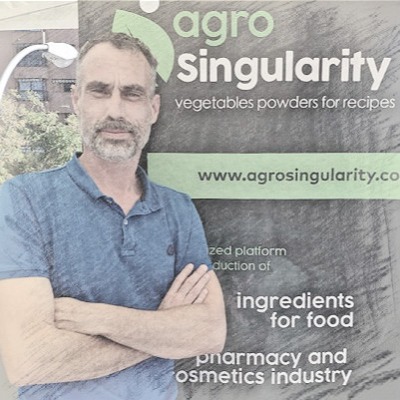
Biologist Luis Rubio González has a PhD and over 15 years of experience as a researcher and consultant in public and private organizations. He also completed an Advanced Studies Certification at the University of Murcia and has a master's in Food Quality and Safety from the Madrid Institute of Training (IMF Business School). In 2019, he became the co-founder and CPO of agroSingularity, a Murcia-based foodtech producing natural powder ingredients from raw materials sourced from wasted agricultural by-products.
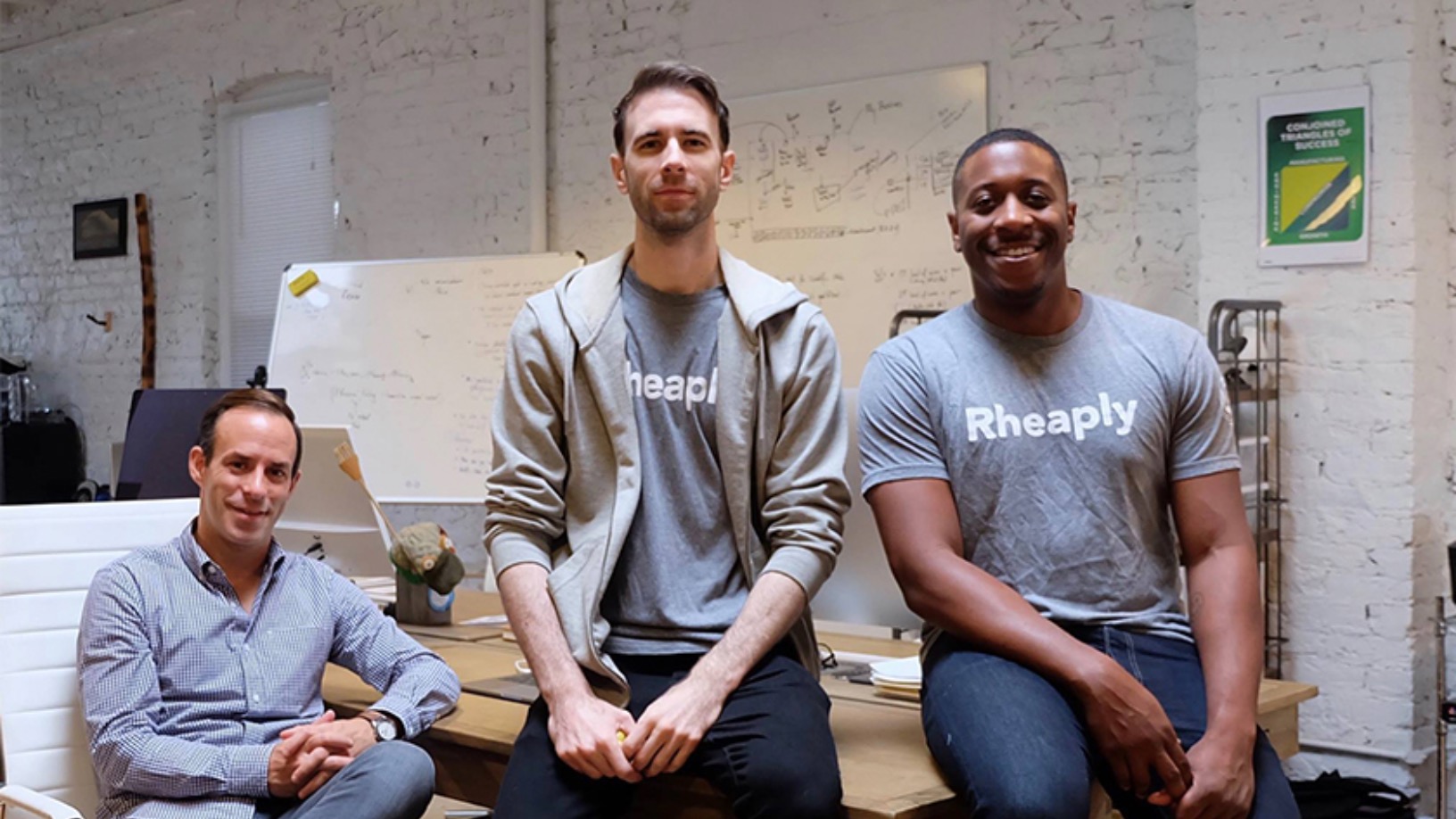
Rheaply: Pioneering B2B asset reuse through technology
Through its SaaS platform, this Chicago-based startup finds success in the under-served corporate second-hand market, essential to any successful circular economy, recently landing $8m Series A
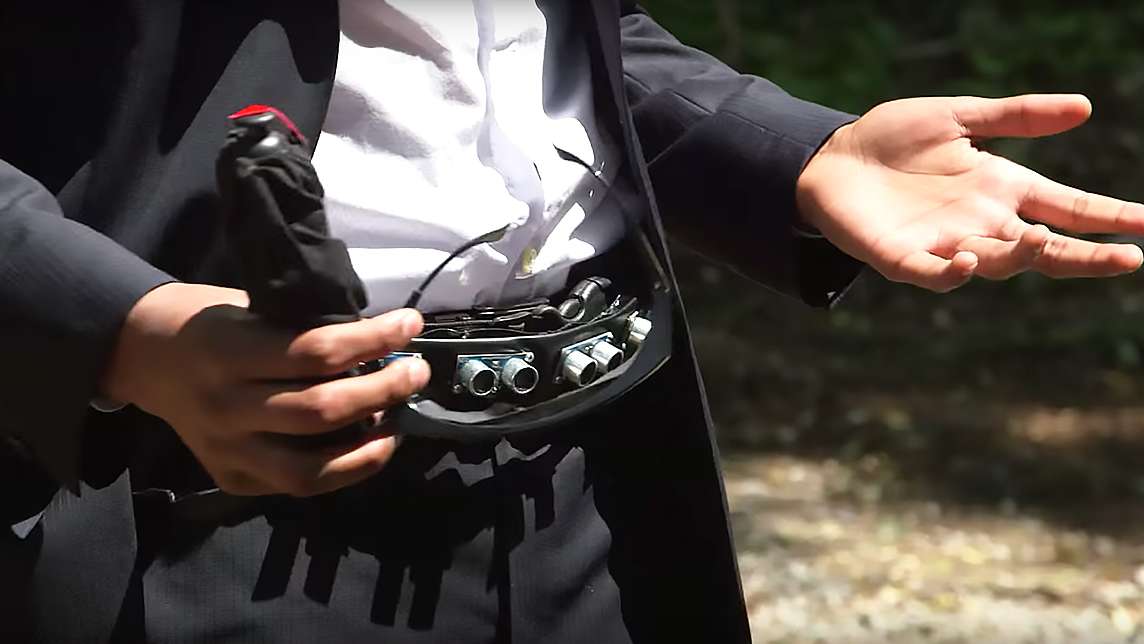
Alex Deans, youth creator of wearable tech for the blind, discusses the inventing process
He started with just CA$100 worth of GPS shields and wires at aged 12. Now the 20-year-old student is readying to take his iAid navigation device for the visually impaired to market
Fish trading startup Aruna thrives despite Covid-19 with a pivot to domestic sales
Having brought forward its domestic expansion by one year, Aruna wants to use its recent funding to further boost market expansion, develop the tech for product traceability and an intelligent supply chain

Portugal looks to its marine heritage to create an oceantech leader
Portugal is tapping oceantech disruption to create new value out of its blue economy, with strong government push

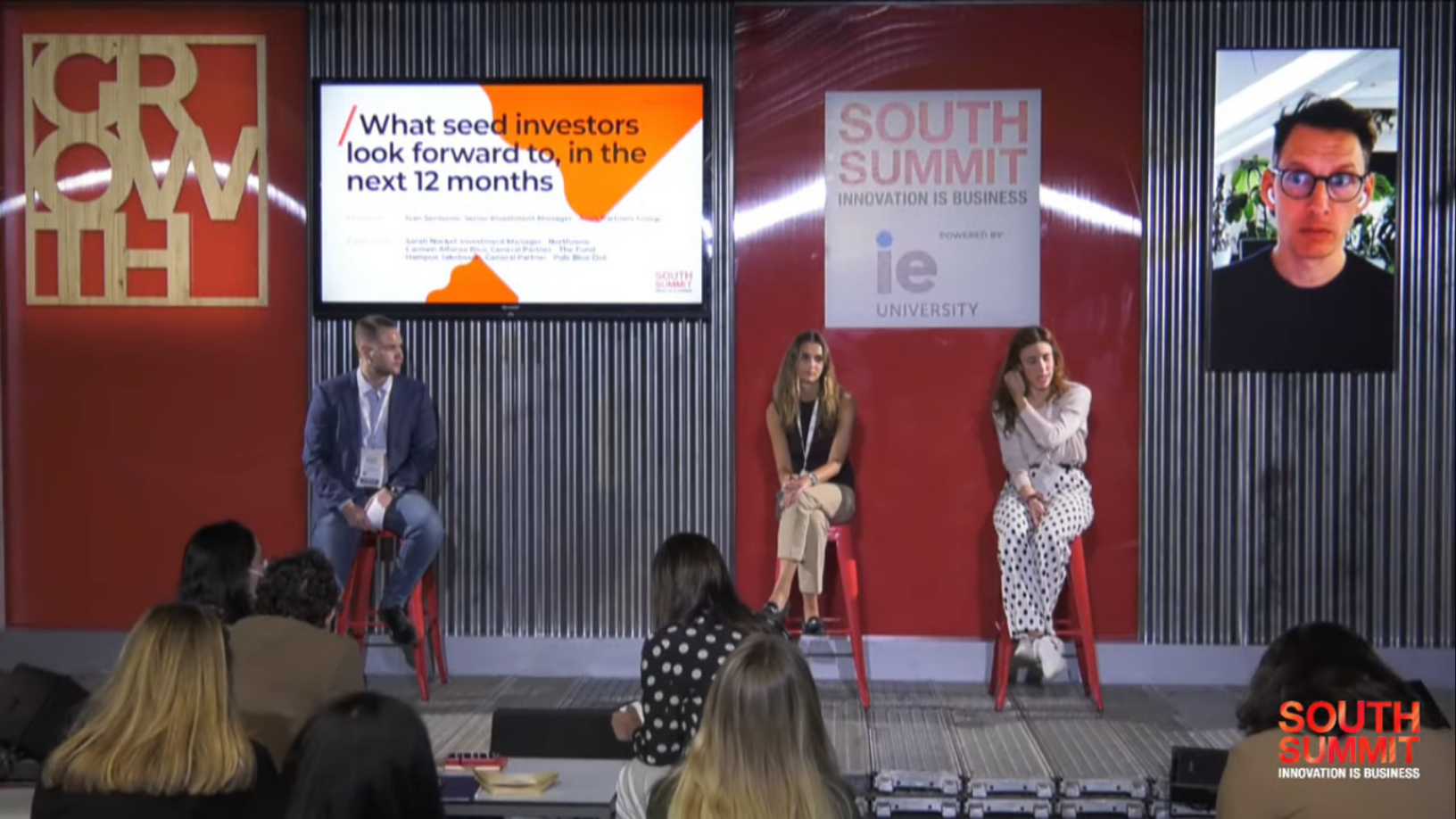
South Summit 2021: European seed investment is booming post-Covid
Investors from The Fund, Northzone and Pale Blue Dot highlight climate change, consumer credit and business tools as hot areas to follow
Covid-19: Indonesia's P2P lenders ready for slower business, default risk
P2P lending startups set up stricter scrutiny, budget reserves; playing key role in helping Indonesian businesses survive the Covid-19 crisis

Beyond billion dollar investment rounds, Indonesia and Singapore are working together to harness the potential of their startup ecosystems
China’s online mutual aid market: A new battleground for tech giants and startups
Startups spotted the opportunity and tech giants too have entered a market seen tripling by 2025. But profitability is still in doubt amid regulatory uncertainty

Canika: A new app offering more budget-friendly weddings
Canika woos young couples with more flexible prices and options in Indonesia's $7bn wedding planning market

In depth: The business ecosystems China’s tech giants and unicorns build
Startups could accept to join Alibaba, Tencent or other tech giants in their ecosystems and scale quickly. Or they could say no and keep their independence. But do they really have a choice?

Can Indonesia plug its tech talent gap to keep its digital economy growing?
Local institutions are stepping up to boost tech skills among students and jobseekers, as the government opens the way for more foreign talent joining startups

Zhongzheng Information: Big data and fully integrated services for smart office buildings
Joining the Microsoft for Startups program will boost Zhongzheng's R&D and business expansion in China

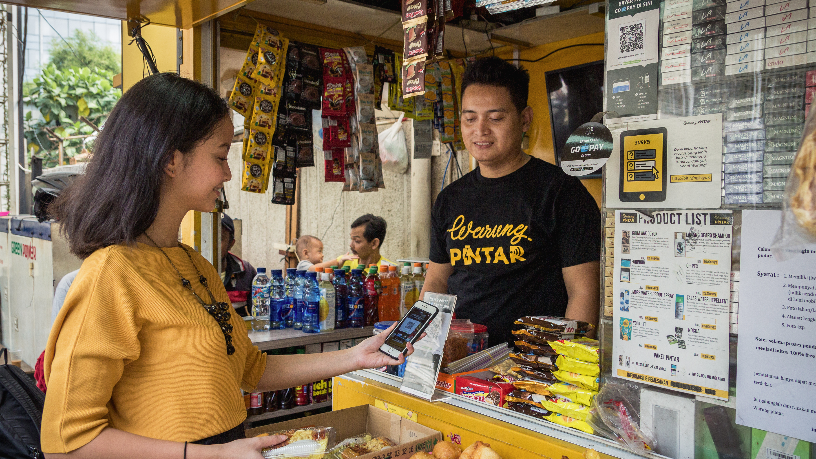
Warung Pintar: Creating a little place of happiness with smart kiosks
CEO Agung Bezharie Hadinegoro on how Warung Pintar is tapping IoT and other digital tech to unleash the economic potential of Indonesia's traditional street vendors
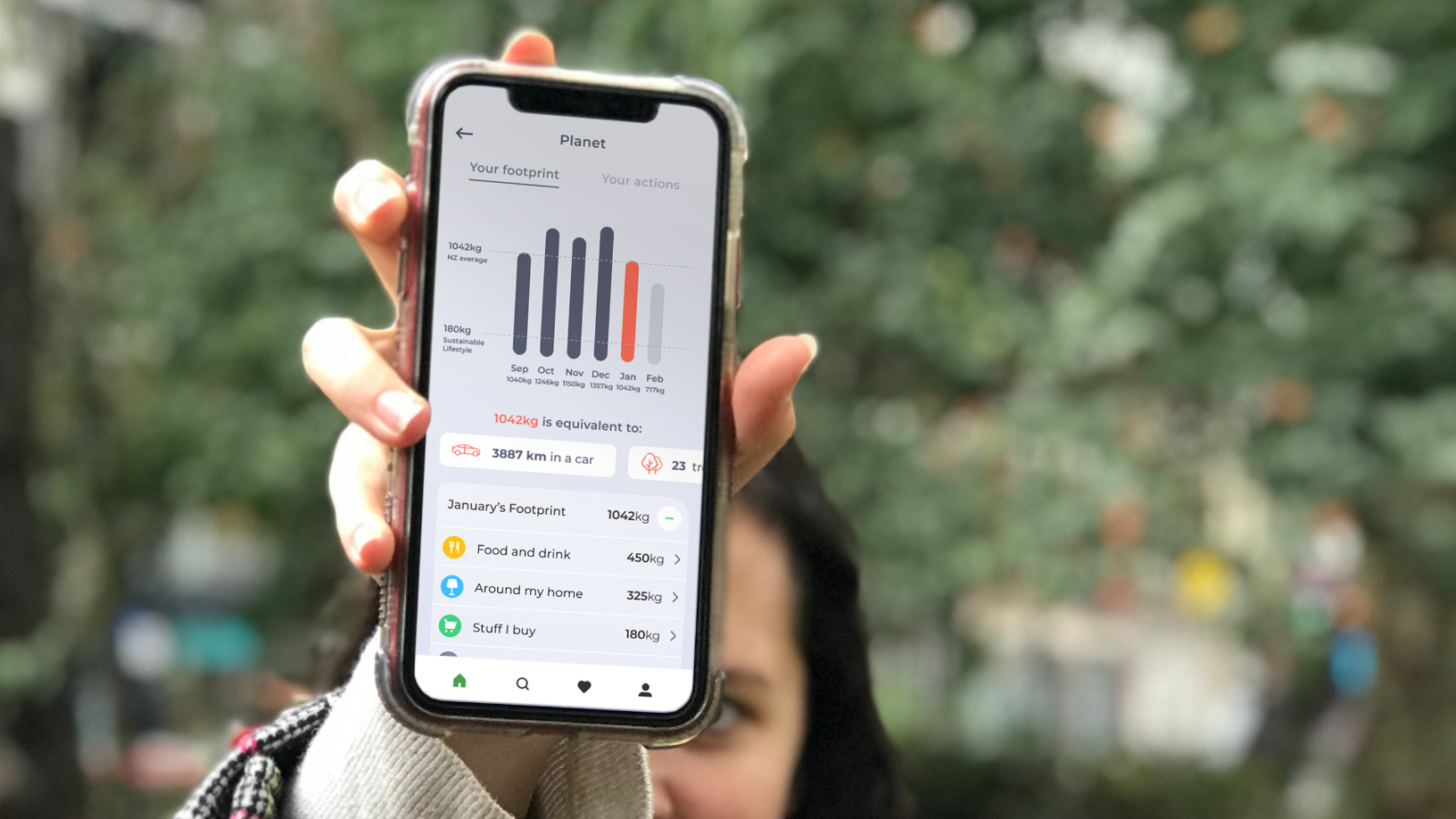
Cogo: Tech that helps you cut your real-time carbon footprint through daily choices
Currently operating in New Zealand, Australia and the UK, Cogo is raising $20m to bring its emissions tracking technology to companies and consumers in Asia, Europe and the US
The rising Indonesian edtech star wants to help high-school dropouts earn their diploma and learn the relevant skills to find a job – with an innovative solution lauded at this year’s MIT Solve Challenge

Sorry, we couldn’t find any matches for “Good Food Institute”.
POPULAR DATABASE