cell-based meat
-
DATABASE (860)
-
ARTICLES (609)
Co-founder, CTO of Meatable
Daan Luining is the Dutch co-founder and CTO at cell-based meat startup Meatable, the first to claim a highly scalable culture technology, where he has worked since 2018. He is also a research director at the Cellular Agriculture Society in Leiden, a joint initiative for cell-based startups to share knowledge and to collaborate on projects to further scale the sector. Luining is also on the board of directors at the not-for-profit Cultured Meat Foundation that promotes sector innovation. His past posts have all been in the area of research, either as a researcher or a technician, and at the same time as completing studies. His last job was as a research strategist at New York-based New Harvest, a callular food rsearch funding body, where he worked for a year and met Dr. Kotter, the inventor of Meatable’s cellular technology. His research positions from 2009–15 were in the area of cell culture, mass spectrometry and DNA sequencing at the Maastricht University, University Medical Center Amsterdam, Utrecht University and Leiden University. Luining holds a master’s in biological sciences from Leiden University in the Netherlands.

Daan Luining is the Dutch co-founder and CTO at cell-based meat startup Meatable, the first to claim a highly scalable culture technology, where he has worked since 2018. He is also a research director at the Cellular Agriculture Society in Leiden, a joint initiative for cell-based startups to share knowledge and to collaborate on projects to further scale the sector. Luining is also on the board of directors at the not-for-profit Cultured Meat Foundation that promotes sector innovation. His past posts have all been in the area of research, either as a researcher or a technician, and at the same time as completing studies. His last job was as a research strategist at New York-based New Harvest, a callular food rsearch funding body, where he worked for a year and met Dr. Kotter, the inventor of Meatable’s cellular technology. His research positions from 2009–15 were in the area of cell culture, mass spectrometry and DNA sequencing at the Maastricht University, University Medical Center Amsterdam, Utrecht University and Leiden University. Luining holds a master’s in biological sciences from Leiden University in the Netherlands.
Co-founder of Meatable
Mark Kotter is the Austrian co-founder at Dutch cell-based meat startup Meatable, the first to use pluripotent stem cells and claim a highly scalable culture technology, which was developed by Kotter prior to founding the startup in 2018. He is also founder at his biotech startup, bit.bio, which is based in Cambridge, UK, since 2016, where he applies his cellular technological innovation to human stem cell research and has raised investments totaling $42m. His main full-time position is at the University of Cambridge, where he has worked since 2009. He has spent more than five years as a clinician-scientist in stem cell research and was previously a lecturer in neurosurgery. Kotter also lectures at Paris Descartes University and is a team leader at the UK’s National Institute for Health Research’s Brain Injury MedTech Co-operative. He also founded Myelopathy.org to raise awareness of cervical myelopathy. His past positions were as a research group leader at the Max Planck Institute for Experimental Medicine for one year, and for two years spent at the Medical University of Vienna. Kotter holds two doctorates; one in philosophy from the University of Cambridge and the other in medicine from the University of Graz in Austria. Kotter also holds a master’s in philosophy from the University of Cambridge.

Mark Kotter is the Austrian co-founder at Dutch cell-based meat startup Meatable, the first to use pluripotent stem cells and claim a highly scalable culture technology, which was developed by Kotter prior to founding the startup in 2018. He is also founder at his biotech startup, bit.bio, which is based in Cambridge, UK, since 2016, where he applies his cellular technological innovation to human stem cell research and has raised investments totaling $42m. His main full-time position is at the University of Cambridge, where he has worked since 2009. He has spent more than five years as a clinician-scientist in stem cell research and was previously a lecturer in neurosurgery. Kotter also lectures at Paris Descartes University and is a team leader at the UK’s National Institute for Health Research’s Brain Injury MedTech Co-operative. He also founded Myelopathy.org to raise awareness of cervical myelopathy. His past positions were as a research group leader at the Max Planck Institute for Experimental Medicine for one year, and for two years spent at the Medical University of Vienna. Kotter holds two doctorates; one in philosophy from the University of Cambridge and the other in medicine from the University of Graz in Austria. Kotter also holds a master’s in philosophy from the University of Cambridge.
CEO and co-founder of Because Animals
Shannon Falconer graduated with a master’s in botany at the University of Vancouver in 2006. She also completed a PhD in biochemistry at The McMaster University in 2014. She went on to work as a postdoctoral researcher at Stanford University until 2016 when she decided to become the CEO and co-founder of biotech startup Because Animals. She also led the biotech’s R&D team to develop plant-based nutritional cookies and treats for dog and cats. Because Animals now aims to produce the world’s first cell-based cultured meat products for pets.
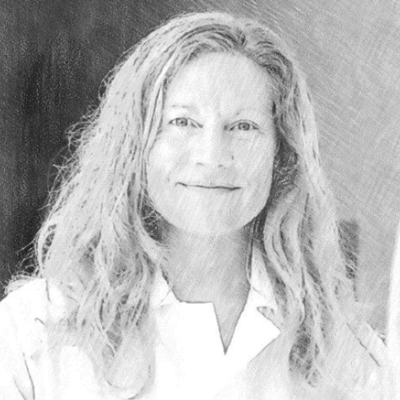
Shannon Falconer graduated with a master’s in botany at the University of Vancouver in 2006. She also completed a PhD in biochemistry at The McMaster University in 2014. She went on to work as a postdoctoral researcher at Stanford University until 2016 when she decided to become the CEO and co-founder of biotech startup Because Animals. She also led the biotech’s R&D team to develop plant-based nutritional cookies and treats for dog and cats. Because Animals now aims to produce the world’s first cell-based cultured meat products for pets.
Co-founder, CEO of Meatable
Krijn De Nood is the Dutch co-founder and CEO at cell-based meat startup Meatable, the first to claim a highly scalable culture technology with the use of pluripotent stem cells, where he has worked since 2018. He previously worked at McKinsey for six-and-a-half years in Amsterdam, New York and in Kenya. Prior to that, he worked as an equity derivatives trader at derivative trading company All Options after a short stint at Barclays Capital.De Nood holds two first degrees from the University of Amsterdam, in philosophy and in economics and finance.
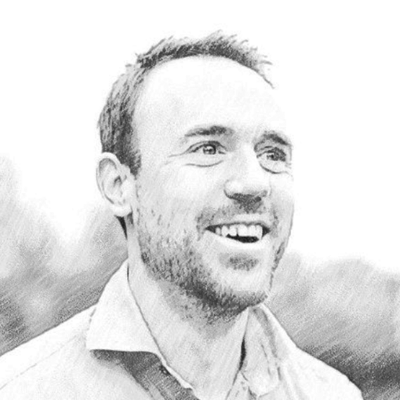
Krijn De Nood is the Dutch co-founder and CEO at cell-based meat startup Meatable, the first to claim a highly scalable culture technology with the use of pluripotent stem cells, where he has worked since 2018. He previously worked at McKinsey for six-and-a-half years in Amsterdam, New York and in Kenya. Prior to that, he worked as an equity derivatives trader at derivative trading company All Options after a short stint at Barclays Capital.De Nood holds two first degrees from the University of Amsterdam, in philosophy and in economics and finance.
Rick Klausner is an award-winning scientist, former executive director of the Bill & Melinda Gates Foundation and an entrepreneur. Cell and molecular biologist Klausner was also director of the US National Cancer Institute from 1999-2001 and currently serves as CEO at biotech Lyell Immunopharma working with cell-based technology. He has also co-founded three US healthcare startups to date, Juno Therapeutics in 2013, MindStrong Health in 2014 and GRAIL in 2015. In 2021, he participated as an investor in the $48m Series A round of Dutch cell-based meat startup Meatable which leverages pluripotent stem cells for the first time in foodtech.
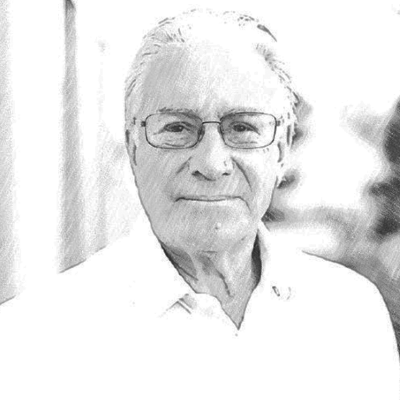

Rick Klausner is an award-winning scientist, former executive director of the Bill & Melinda Gates Foundation and an entrepreneur. Cell and molecular biologist Klausner was also director of the US National Cancer Institute from 1999-2001 and currently serves as CEO at biotech Lyell Immunopharma working with cell-based technology. He has also co-founded three US healthcare startups to date, Juno Therapeutics in 2013, MindStrong Health in 2014 and GRAIL in 2015. In 2021, he participated as an investor in the $48m Series A round of Dutch cell-based meat startup Meatable which leverages pluripotent stem cells for the first time in foodtech.
Jeffrey Leiden is a physician and scientist of more than 40 years, who is currently the executive chairman of US-based multinational biotech company Vertex Pharmaceuticals. Leiden is also the chairman of Casana, a remote healthcare platform and the chairman of Tmunity, a biotech dedicated to T-cell research. In March 2021, he participated as an angel investor in the $48m Series A round of Dutch cell-based meat startup Meatable which leverages pluripotent stem cells for the first time in foodtech.
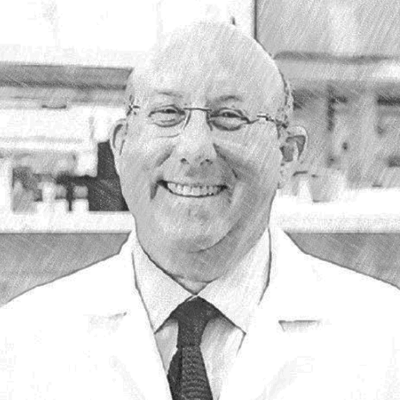
Jeffrey Leiden is a physician and scientist of more than 40 years, who is currently the executive chairman of US-based multinational biotech company Vertex Pharmaceuticals. Leiden is also the chairman of Casana, a remote healthcare platform and the chairman of Tmunity, a biotech dedicated to T-cell research. In March 2021, he participated as an angel investor in the $48m Series A round of Dutch cell-based meat startup Meatable which leverages pluripotent stem cells for the first time in foodtech.
Founded in 2011, London-based Agronomics Limited’s principal investing interest is in environmentally-friendly alternatives to the traditional production of meat, wherever they may be located. There are currently 17 companies in its portfolio, all of them in the cellular-based or plant-based protein category and sustainable food production.Its most recent declared investments have been in the March 2021 $48m Series A round of Dutch cell-based meat startup Meatable which leverages pluripotent stem cells for the first time in foodtech, and in the December 2020 undisclosed pre-seed round of Chinese cellular foodtech CellX.

Founded in 2011, London-based Agronomics Limited’s principal investing interest is in environmentally-friendly alternatives to the traditional production of meat, wherever they may be located. There are currently 17 companies in its portfolio, all of them in the cellular-based or plant-based protein category and sustainable food production.Its most recent declared investments have been in the March 2021 $48m Series A round of Dutch cell-based meat startup Meatable which leverages pluripotent stem cells for the first time in foodtech, and in the December 2020 undisclosed pre-seed round of Chinese cellular foodtech CellX.
New York-based Humboldt Fund invests in startups with the potential to solve critical issues of our time across the areas of food production, healthcare, energy, and construction and manufacturing materials. It currently has 14 companies in its portfolio. Its most recent investments include in the March 2021 $48m Series A round of Dutch cell-based meat startup Meatable which leverages pluripotent stem cells for the first time in foodtech, and in the February 2021 $16m seed round of US biotech Cellino Biotech.

New York-based Humboldt Fund invests in startups with the potential to solve critical issues of our time across the areas of food production, healthcare, energy, and construction and manufacturing materials. It currently has 14 companies in its portfolio. Its most recent investments include in the March 2021 $48m Series A round of Dutch cell-based meat startup Meatable which leverages pluripotent stem cells for the first time in foodtech, and in the February 2021 $16m seed round of US biotech Cellino Biotech.
Co-founder, CCO of Cocuus
Patxi Larumbe is the Spanish CCO and co-founder at 3D printing food tech and cell-based meat startup Cocuus, where he has worked since he co-founded it in 2017. Before Cocuus, Larumbe founded and directed eight other companies, the majority, like Cocuus, also based in Pamplona, Navarre. During his extensive entrepreneurial career, Larumbe had experience with design and manufacturing in 3D processes, which he used to innovate in Cocuus. Before Cocuus, he was a director at his building materials distribution company, On Clima, for two years, which was preceded by a two-year stint heading up Tohama, an IoT tech developer for Somfy products. Prior to that, he was commercial director for 20 years at building services company Terradisa and also founded its Catalonia offices.From 2000–2013, Larumbe was the founder and board member at Acustica Arquitectonica, an acoustic architectural design company and from 1995–2005, he had the same responsibilities at his hospitality company, Ostatu Zaharra. Other companies he founded were were Render (1990–96), Netcorp Factory (1996–2000) and No Solo Futbol ("Not Just Soccer") (2000–2004). Larumbe studied electronics at first degree level in Pamplona.

Patxi Larumbe is the Spanish CCO and co-founder at 3D printing food tech and cell-based meat startup Cocuus, where he has worked since he co-founded it in 2017. Before Cocuus, Larumbe founded and directed eight other companies, the majority, like Cocuus, also based in Pamplona, Navarre. During his extensive entrepreneurial career, Larumbe had experience with design and manufacturing in 3D processes, which he used to innovate in Cocuus. Before Cocuus, he was a director at his building materials distribution company, On Clima, for two years, which was preceded by a two-year stint heading up Tohama, an IoT tech developer for Somfy products. Prior to that, he was commercial director for 20 years at building services company Terradisa and also founded its Catalonia offices.From 2000–2013, Larumbe was the founder and board member at Acustica Arquitectonica, an acoustic architectural design company and from 1995–2005, he had the same responsibilities at his hospitality company, Ostatu Zaharra. Other companies he founded were were Render (1990–96), Netcorp Factory (1996–2000) and No Solo Futbol ("Not Just Soccer") (2000–2004). Larumbe studied electronics at first degree level in Pamplona.
Founded in 2016, Berlin-based investor BlueYard invests in startups aiming to tackle the planet’s greatest challenges. It typically makes $1m–3m as an initial investment and has no geographical bias. Its most recent investments include in the March 2021 $48m Series A round of Dutch cell-based meat startup Meatable which leverages pluripotent stem cells for the first time in foodtech and in the February 2021 $4m seed round of Next Matter, a German Open Source automation tool for operations teams.

Founded in 2016, Berlin-based investor BlueYard invests in startups aiming to tackle the planet’s greatest challenges. It typically makes $1m–3m as an initial investment and has no geographical bias. Its most recent investments include in the March 2021 $48m Series A round of Dutch cell-based meat startup Meatable which leverages pluripotent stem cells for the first time in foodtech and in the February 2021 $4m seed round of Next Matter, a German Open Source automation tool for operations teams.
Founder of TreeFrog Therapeutics
Kévin Alessandri is CEO, CTO and co-founder of TreeFrog Therapeutics, whose proprietory C-Stem technology mass-produces high-quality pluripotent stem cells in a 3D environment. Prior to founding TreeFrog in 2018, Alessandri spent two years as a post-doctoral fellow at Bordeaux’s Institut d’Optique. During 2014 and 2015, he completed a post-doctorate at the University of Geneva, focused on developing 3D printed microfluidics systems to build 3D cell culture vessels for stem cell applications. From 2008 to 2013 he completed a PhD on cellular capsules technology and applications at the Institut Curie in Paris.
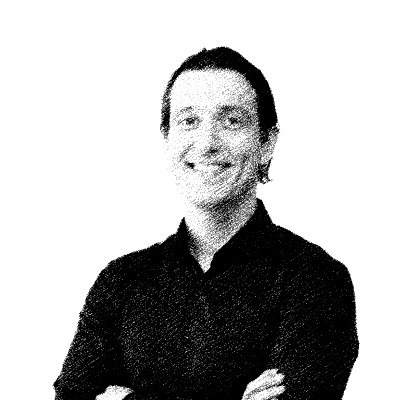
Kévin Alessandri is CEO, CTO and co-founder of TreeFrog Therapeutics, whose proprietory C-Stem technology mass-produces high-quality pluripotent stem cells in a 3D environment. Prior to founding TreeFrog in 2018, Alessandri spent two years as a post-doctoral fellow at Bordeaux’s Institut d’Optique. During 2014 and 2015, he completed a post-doctorate at the University of Geneva, focused on developing 3D printed microfluidics systems to build 3D cell culture vessels for stem cell applications. From 2008 to 2013 he completed a PhD on cellular capsules technology and applications at the Institut Curie in Paris.
Co-founder, COO of Cocuus
Daniel Rico Aldaz is the Spanish COO and co-founder at 3D printing food tech and cell-based meat startup Cocuus, where he has worked since he co-founded it in 2017. Before Cocuus, Rico founded an industrial design company, Rico Ingenio, which was established in 2009, where he continues to be a founding partner.His last full-time position before Cocuus was at systems automation company Kaizen for less than a year, where he headed up the technical office. Prior to that, Rico briefly led the computer-to-plate (CTP) and quality control departments at printers Estellaprint. For 15 years, until 2016, Rico was founder at his own industrial design company El Seis Y El Cuatro.Rico’s varied career has also seen him as head designer of children's parks and gyms at Mader Play, as an IT teacher at a worker’s foundation and as both a graphic and an artistic designer in two communication agencies and a lighting company. During his career, Rico has had experience with design and manufacturing in 3D processes, which he used to innovate in Cocuus. Rico did not attend university. He studied music and design at high school.

Daniel Rico Aldaz is the Spanish COO and co-founder at 3D printing food tech and cell-based meat startup Cocuus, where he has worked since he co-founded it in 2017. Before Cocuus, Rico founded an industrial design company, Rico Ingenio, which was established in 2009, where he continues to be a founding partner.His last full-time position before Cocuus was at systems automation company Kaizen for less than a year, where he headed up the technical office. Prior to that, Rico briefly led the computer-to-plate (CTP) and quality control departments at printers Estellaprint. For 15 years, until 2016, Rico was founder at his own industrial design company El Seis Y El Cuatro.Rico’s varied career has also seen him as head designer of children's parks and gyms at Mader Play, as an IT teacher at a worker’s foundation and as both a graphic and an artistic designer in two communication agencies and a lighting company. During his career, Rico has had experience with design and manufacturing in 3D processes, which he used to innovate in Cocuus. Rico did not attend university. He studied music and design at high school.
Taavet Hinrikus is the Estonian-born co-founder and CEO of money transfer platform and unicorn TransferWise (now called Wise). He was formerly Skype’s Director of Strategy and is a prolific angel investor across sectors and technologies, with investments in around 30 startups to date. His most recent investments include in the April 2021 $11m Series A round of automatic contract negotiator PACTUM and in the March 2021 $48m Series A round of Dutch cell-based meat startup Meatable which leverages pluripotent stem cells for the first time in foodtech.
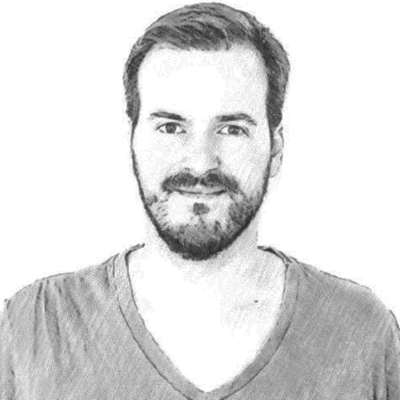
Taavet Hinrikus is the Estonian-born co-founder and CEO of money transfer platform and unicorn TransferWise (now called Wise). He was formerly Skype’s Director of Strategy and is a prolific angel investor across sectors and technologies, with investments in around 30 startups to date. His most recent investments include in the April 2021 $11m Series A round of automatic contract negotiator PACTUM and in the March 2021 $48m Series A round of Dutch cell-based meat startup Meatable which leverages pluripotent stem cells for the first time in foodtech.
Lever VC was founded in 2018 by Nick Cooney, an early investor of Beyond Meat and Memphis Meats. He is also the co-founder of Good Food Institute. Lever has currently invested in 14 startups from the US, Europe, Asia and Latin America.Focused on investments in early-stage alternative protein companies, the firm announced the first close of its Lever VC Fund I in August 2020, with its fourth close at $46m in April 2021. The final close will be completed by June 2021. Investors in the fund include NFL and NBA athletes, British nobility, food businesses, alt-protein companies and family offices as limited partners.In June 2020, Lever launched a $28m joint investment fund and accelerator to invest in Chinese plant-based and cell-cultivated meat and dairy companies. The Lever China Alternative Protein Fund will invest RMB 40m in alt-protein companies in mainland China over the next four years.

Lever VC was founded in 2018 by Nick Cooney, an early investor of Beyond Meat and Memphis Meats. He is also the co-founder of Good Food Institute. Lever has currently invested in 14 startups from the US, Europe, Asia and Latin America.Focused on investments in early-stage alternative protein companies, the firm announced the first close of its Lever VC Fund I in August 2020, with its fourth close at $46m in April 2021. The final close will be completed by June 2021. Investors in the fund include NFL and NBA athletes, British nobility, food businesses, alt-protein companies and family offices as limited partners.In June 2020, Lever launched a $28m joint investment fund and accelerator to invest in Chinese plant-based and cell-cultivated meat and dairy companies. The Lever China Alternative Protein Fund will invest RMB 40m in alt-protein companies in mainland China over the next four years.
DSM Venturing is the investment arm of major Dutch biotech company DSM that has been investing in startups since 2006. The company currently has 36 startups in its portfolio across geographies and has managed three exits to date. It typically invests between €100,000 and €5m, with a lifetime investment varying from €1m–20m and usually requires board membership alongside investment. It has offices in the Netherlands and the US, both on the east and west coast. Its recent investments include in the March 2021 $48m Series A round of Dutch cell-based meat startup Meatable which leverages pluripotent stem cells for the first time in foodtech, and in the same month, in the $8m Series A round of British anti-pollution biotech Deep Branch Biotechnology.
DSM Venturing is the investment arm of major Dutch biotech company DSM that has been investing in startups since 2006. The company currently has 36 startups in its portfolio across geographies and has managed three exits to date. It typically invests between €100,000 and €5m, with a lifetime investment varying from €1m–20m and usually requires board membership alongside investment. It has offices in the Netherlands and the US, both on the east and west coast. Its recent investments include in the March 2021 $48m Series A round of Dutch cell-based meat startup Meatable which leverages pluripotent stem cells for the first time in foodtech, and in the same month, in the $8m Series A round of British anti-pollution biotech Deep Branch Biotechnology.
Subsidy cut has dented sales, but China's EV manufacturers need better products to win over buyers
Eliminating subsidies is a painful must for the sustainability of China’s electric vehicle industry

Animal AgTech Innovation Summit 2021: Experts discuss post-pandemic priorities
The pandemic not only put digital tech in everyone’s hands, it also forced thinking about collecting meaningful data and moving it on-demand to both producers and decision makers
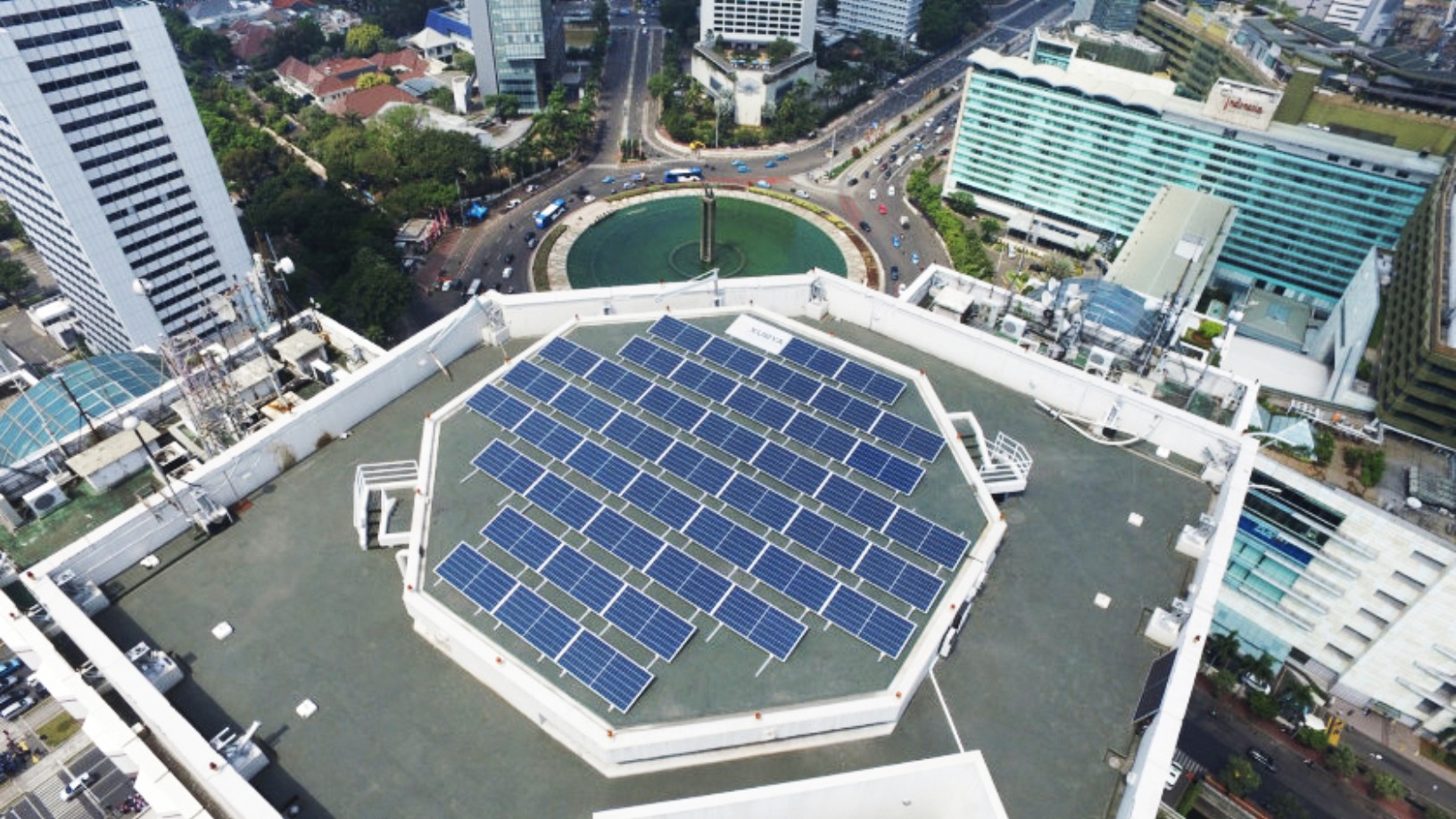
Xurya: Pioneering solar power as a service in Indonesia with a leasing model
Targeting corporate customers without need for any upfront payment, two-year-old Xurya has already attracted major clients, and investment from Clime Capital’s impact investment fund SEACEF
Future Food Asia 2021 announces finalists for $100,000 prize
Ten startups from agrifood tech and cleantech sectors will pitch during the five-day conference, are also eligible for two more prizes from sponsors Cargill and Thai Wah
Findster: Portuguese pet tech corners the market
The number one pet location and activity tracker on Amazon, Findster has seen off cheaper rivals with its unique offer

Indonesian online basic food startups like Sayurbox and Wahyoo have had as much as a fivefold jump in orders and are working to sustain strong sales post-social distancing

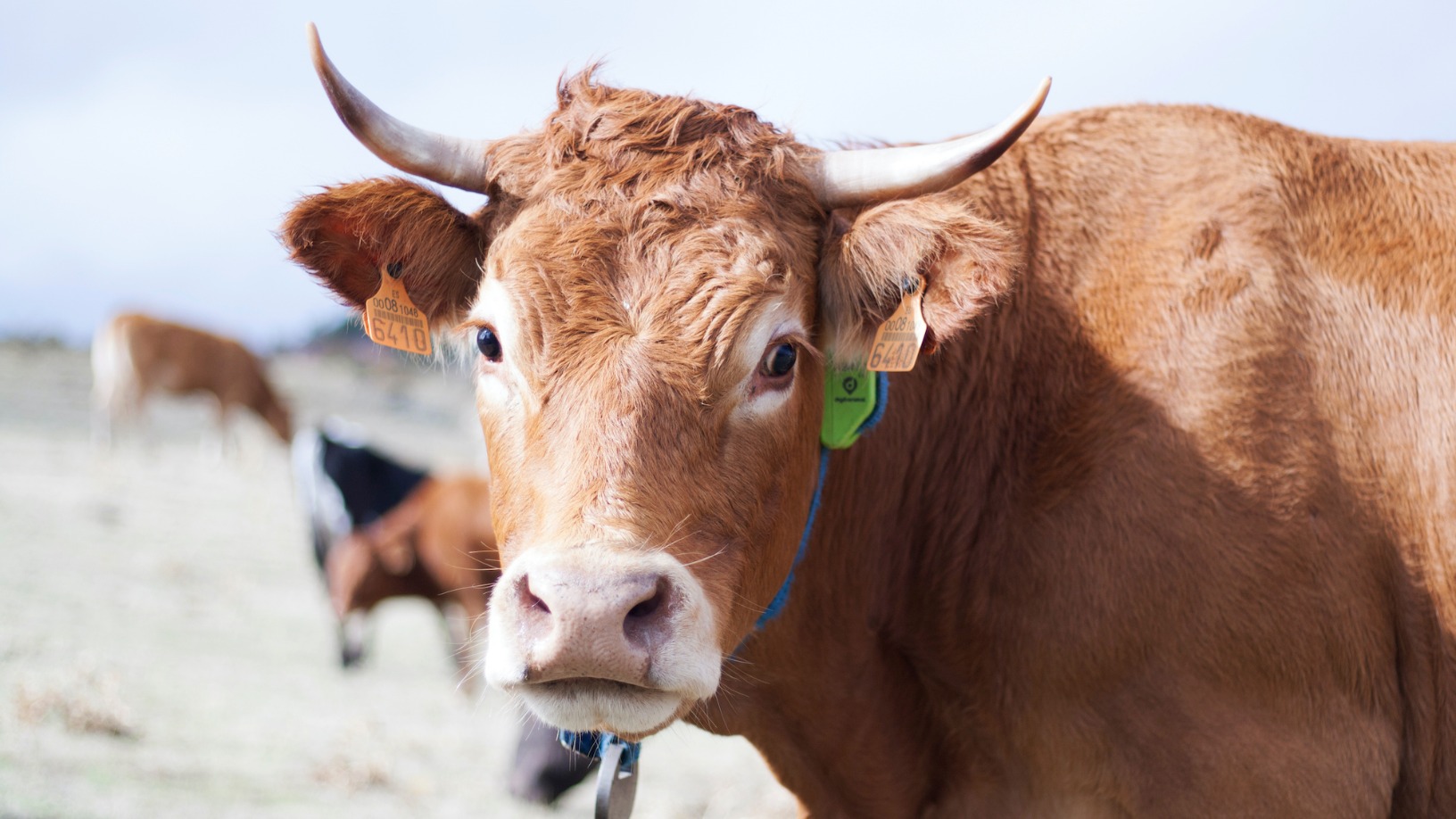
Its latest project, Cattlechain, is an IoT-blockchain solution for farms to meet the EU's animal welfare standards, fulfilling consumers' demand for sustainable farming and food traceability
Cashtree combines locksreen ads and rewards-based marketing to help businesses go viral
The Indonesian mobile advertising platform encourages users to share ads on social media and WhatsApp so they go viral

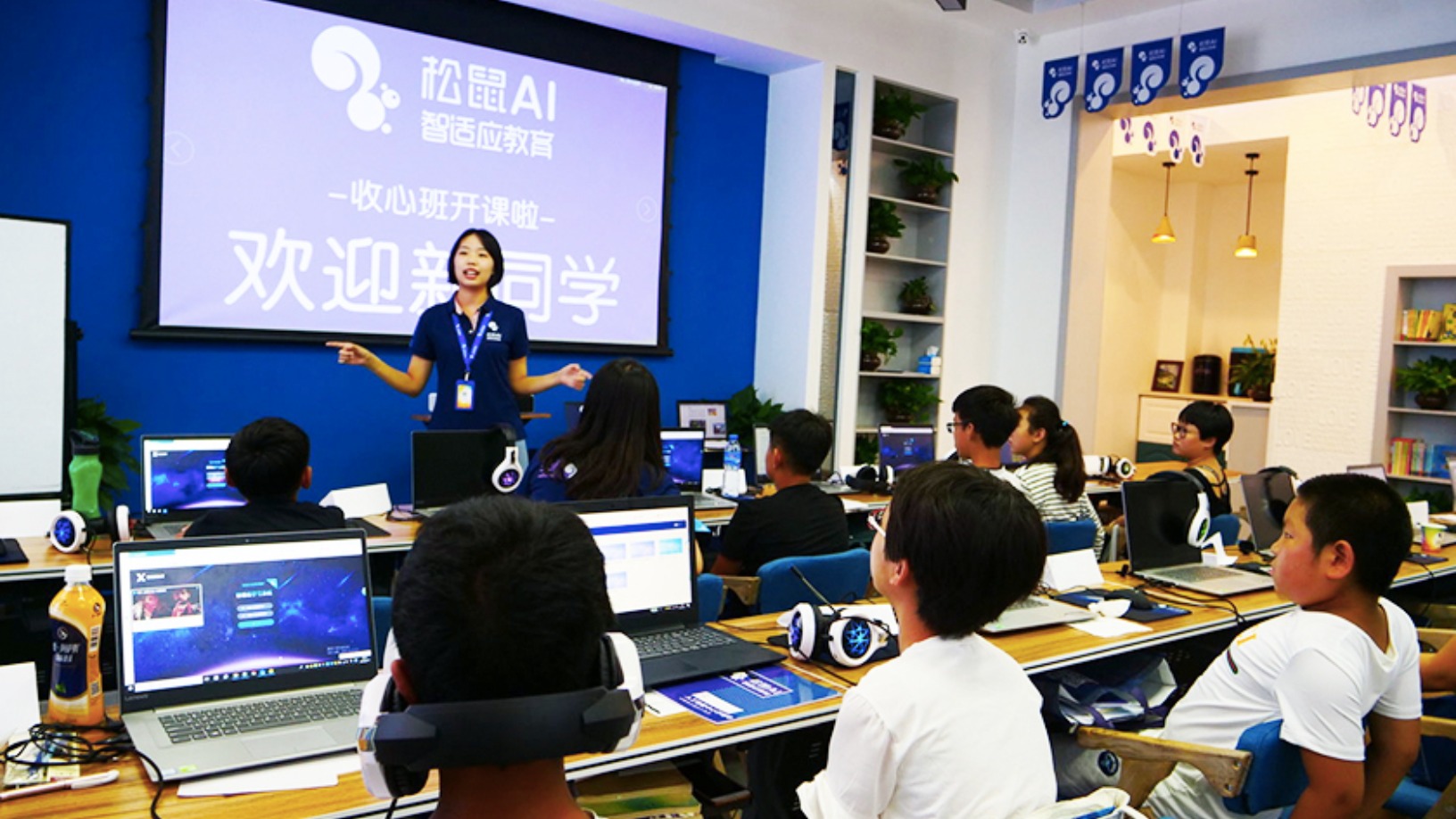
Squirrel AI: Edtech's AI-based personalized tutoring eases load for students and teachers
Used by more than 3m students, unicorn Squirrel AI tracks learning outcomes in real time and adapts teaching, proving more effective than traditional methods
US non-profit investor New Energy Nexus seeks to kickstart Indonesia’s clean energy sectors
With a “patient capital” approach to investments and a variety of programs, New Energy Nexus hopes to show that startups can lead the way in renewables and smart energy

Sophie's Bionutrients: Alternative protein from microalgae
Inspired by fish in the ocean, the startup developed microalgae-based flour that can take on unlimited forms, textures or colors to make almost any alt protein product

Oceanium: Supporting sustainable seaweed farming
Scottish startup Oceanium has developed a proprietary biorefinery and processing model to create seaweed-based compostable materials, alt-protein ingredients and nutraceuticals for use across industry verticals

Plug-it and Drive-it with Wallbox’s EV quick chargers
Created by an ex-Tesla engineer, these generic chargers are fast and easy to use – just like recharging mobile phones

Modern China Tea Shop: Cool hangout for yuppies in Chairman Mao's Hunan
The tea house in Changsha, the provincial capital of Hunan, is creating a storm in a teacup, serving tea lattes that go viral across China

Bye to 12-hour workdays? aiXcoder’s AI-based programming tool is here to help developers
Used by Alibaba, this startup's predictive code lines let programmers spend less time searching online and more time being creative

Sorry, we couldn’t find any matches for “cell-based meat”.
POPULAR DATABASE