KEEP
-
DATABASE (13)
-
ARTICLES (157)
This private Portuguese healthcare group was established in 2000 and based in Lisbon. It made its first investment in a startup in 2019 when it led the €600,000 seed round of medtech UpHill, a SaaS for healthcare professionals to keep up-to-speed on the latest clinical treatments and protocols using AI. The group’s Hospital da Luz was one of UpHill’s first customers.


This private Portuguese healthcare group was established in 2000 and based in Lisbon. It made its first investment in a startup in 2019 when it led the €600,000 seed round of medtech UpHill, a SaaS for healthcare professionals to keep up-to-speed on the latest clinical treatments and protocols using AI. The group’s Hospital da Luz was one of UpHill’s first customers.
Founded in Silicon Valley in 2000 by Kate Mitchell and Rory O'Driscoll, Scale Venture Partners invests in 75% early revenue and 25% growth stage companies, with an average initial investment of US$8 million. It's mainly interested in startups that disrupt the workplace and it usually invests between US$5-25 million per funding round. It has invested in more than 200 companies to date and was the lead investor in more than 80 investments. Scale has managed 62 exits to date including DocuSign, Box, HubSpot, Exact Target and Realm. Its recent investments include in Keep Truckin, Pantheon and PubNub's Series D rounds.

Founded in Silicon Valley in 2000 by Kate Mitchell and Rory O'Driscoll, Scale Venture Partners invests in 75% early revenue and 25% growth stage companies, with an average initial investment of US$8 million. It's mainly interested in startups that disrupt the workplace and it usually invests between US$5-25 million per funding round. It has invested in more than 200 companies to date and was the lead investor in more than 80 investments. Scale has managed 62 exits to date including DocuSign, Box, HubSpot, Exact Target and Realm. Its recent investments include in Keep Truckin, Pantheon and PubNub's Series D rounds.
Co-founder, CEO of UpHill
Freire Rodrigues is the Portuguese co-founder and CEO at UpHill, whose SaaS helps healthcare professionals keep up-to-speed on the latest clinical treatments and protocols using AI. He also continues to be an invited assistant teacher at Lisbon’s NOVA Medical School’s Faculty of Medical Sciences, where he completed a master’s in Medicine and worked full-time for three years prior to UpHill. He additionally collaborates in public healthcare at the ARSLVT healthcare company in Lisbon. He has worked as a resident physician at public hospitals in Lisbon and Paris.Freire Rodrigues also completed clinical scholars research training at Harvard Medical School and gained a qualification in Information Management and Business Intelligence in Healthcare at NOVA Information Management School in Lisbon.

Freire Rodrigues is the Portuguese co-founder and CEO at UpHill, whose SaaS helps healthcare professionals keep up-to-speed on the latest clinical treatments and protocols using AI. He also continues to be an invited assistant teacher at Lisbon’s NOVA Medical School’s Faculty of Medical Sciences, where he completed a master’s in Medicine and worked full-time for three years prior to UpHill. He additionally collaborates in public healthcare at the ARSLVT healthcare company in Lisbon. He has worked as a resident physician at public hospitals in Lisbon and Paris.Freire Rodrigues also completed clinical scholars research training at Harvard Medical School and gained a qualification in Information Management and Business Intelligence in Healthcare at NOVA Information Management School in Lisbon.
Co-founder of UpHill
Patrão is a Portuguese co-founder at UpHill whose SaaS helps healthcare professionals keep up-to-speed on the latest clinical treatments and protocols using AI. Despite being heavily involved in the development of the software Simulate, Patrão continues to work in the medical field full-time.He has spent the last decade working at Viseu’s Tondela Hospital Center in the intensive care unit as a physician. He also lectures part-time at his former university Beira Interior, where UpHill was established, and is a researcher for the RISRECP, the Colombia-based Iberian Network of Researchers in Renal Health and Common Chronic Illnesses.The co-founder also helps produce clinical simulations for producer Hands on Education and holds a doctorate in Medicine from Beira Interior University.

Patrão is a Portuguese co-founder at UpHill whose SaaS helps healthcare professionals keep up-to-speed on the latest clinical treatments and protocols using AI. Despite being heavily involved in the development of the software Simulate, Patrão continues to work in the medical field full-time.He has spent the last decade working at Viseu’s Tondela Hospital Center in the intensive care unit as a physician. He also lectures part-time at his former university Beira Interior, where UpHill was established, and is a researcher for the RISRECP, the Colombia-based Iberian Network of Researchers in Renal Health and Common Chronic Illnesses.The co-founder also helps produce clinical simulations for producer Hands on Education and holds a doctorate in Medicine from Beira Interior University.
Co-founder of UpHill
Sequiera is a Portuguese co-founder at UpHill, whose SaaS helps healthcare professionals keep up-to-speed on the latest clinical treatments and protocols using AI. Despite being heavily involved in the development of the software Simulate, Sequiera continues to work in the medical field full-time.He works as a consultant at the SPMS – Shared Services of the Ministry of Health in Portugal – that centralizes, optimizes and rationalizes the procurement of goods and services in the state health service. He also lectures part-time in Leadership and Management in Healthcare at his former university, where UpHill was established.Sequiera has been President of ANEM, the Portuguese Medical Students’ International Committee and for two years helped develop the medical curriculum at the University of Luxembourg. He also holds a postgraduate qualification in Information Management and Business Intelligence in Healthcare from NOVA Information Management School in Lisbon.

Sequiera is a Portuguese co-founder at UpHill, whose SaaS helps healthcare professionals keep up-to-speed on the latest clinical treatments and protocols using AI. Despite being heavily involved in the development of the software Simulate, Sequiera continues to work in the medical field full-time.He works as a consultant at the SPMS – Shared Services of the Ministry of Health in Portugal – that centralizes, optimizes and rationalizes the procurement of goods and services in the state health service. He also lectures part-time in Leadership and Management in Healthcare at his former university, where UpHill was established.Sequiera has been President of ANEM, the Portuguese Medical Students’ International Committee and for two years helped develop the medical curriculum at the University of Luxembourg. He also holds a postgraduate qualification in Information Management and Business Intelligence in Healthcare from NOVA Information Management School in Lisbon.
An affordable Software as a Service (SaaS) application that helps small and medium-sized enterprises manage their most valuable asset: their workforce.

An affordable Software as a Service (SaaS) application that helps small and medium-sized enterprises manage their most valuable asset: their workforce.

“Beautiful homes don’t have to be expensive” at Dekoruma, an Indonesian home decor e-store for affordable stylish furniture and interior design services.

“Beautiful homes don’t have to be expensive” at Dekoruma, an Indonesian home decor e-store for affordable stylish furniture and interior design services.
Pioneering SaaS with AI-refined content keeps healthcare workers up-to-date on the latest treatments, including clinical simulations with tests and research personalized to users.

Pioneering SaaS with AI-refined content keeps healthcare workers up-to-date on the latest treatments, including clinical simulations with tests and research personalized to users.
Leveraging WeChat’s wide reach, Meowcard is the latest cat lovers’ community to go viral in China; eyes other cat-related markets, e.g., insurance, healthcare, food.

Leveraging WeChat’s wide reach, Meowcard is the latest cat lovers’ community to go viral in China; eyes other cat-related markets, e.g., insurance, healthcare, food.
Formerly known as Google Ventures and established in 2009, GV is the VC arm of Alphabet, Inc. and stresses that it invests in the “best companies, not strategic investment for Google”. GV is headquartered in Mountain View, California, with offices in San Francisco, Boston, New York, and London and it currently has over US$3.5 billion under management. It has invested in more than 600 companies across different sectors and stages, with more than 160 as lead investor and has seen 120 exits. Its recent investments include in Lemonade and KeepTruckin's Series D rounds and in Harness' Series B.

Formerly known as Google Ventures and established in 2009, GV is the VC arm of Alphabet, Inc. and stresses that it invests in the “best companies, not strategic investment for Google”. GV is headquartered in Mountain View, California, with offices in San Francisco, Boston, New York, and London and it currently has over US$3.5 billion under management. It has invested in more than 600 companies across different sectors and stages, with more than 160 as lead investor and has seen 120 exits. Its recent investments include in Lemonade and KeepTruckin's Series D rounds and in Harness' Series B.
Lanzadera was founded in 2013 by entrepreneur Juan Roig, Spain's third richest individual and the CEO and biggest single shareholder of the country's largest supermarket group, Mercadona. Roig personally keeps track of the performance of the startups managed by the business incubator and accelerator based in Valencia, Spain.Lanzadera has invested €21m in almost 200 tech startups and consumer-focused offline businesses. To date, it has completed one exit via Groupify. Since 2016, Lanzadera has also specialized in video game development with Sony Interactive Entertainment Spain. The Lanzadera programs include training and assessments over a period of 9–11 months at its attractive Valencia marina location.

Lanzadera was founded in 2013 by entrepreneur Juan Roig, Spain's third richest individual and the CEO and biggest single shareholder of the country's largest supermarket group, Mercadona. Roig personally keeps track of the performance of the startups managed by the business incubator and accelerator based in Valencia, Spain.Lanzadera has invested €21m in almost 200 tech startups and consumer-focused offline businesses. To date, it has completed one exit via Groupify. Since 2016, Lanzadera has also specialized in video game development with Sony Interactive Entertainment Spain. The Lanzadera programs include training and assessments over a period of 9–11 months at its attractive Valencia marina location.
VNV Global was originally founded as Vostok Nafta in 1996, with its first investment in Russia. The investment vehicle initially focused on investments in agriculture and natural resources, but began to diversify into early consumer internet companies like Avito and Tinkoff Bank. Shares were listed on NASDAQ OMX and the VC pivoted to high-growth tech investments in 2007. In 2015, the name was changed to Vostok New Ventures and shortened to VNV Global in 2020 to reflect its international strategy to expand outside Europe.The mid-cap NASDAQ Stockholm exchange-listed VNV mainly invests in mobility, medtech and marketplaces. It currently has 31 startups in its portfolio and six exits managed to date. Recent investments led by VNV include the $43m Series B funding of London-based food waste app OLIO in September 2021 and the $1.6m seed round of Vietnamese dating app Fika in October 2021.

VNV Global was originally founded as Vostok Nafta in 1996, with its first investment in Russia. The investment vehicle initially focused on investments in agriculture and natural resources, but began to diversify into early consumer internet companies like Avito and Tinkoff Bank. Shares were listed on NASDAQ OMX and the VC pivoted to high-growth tech investments in 2007. In 2015, the name was changed to Vostok New Ventures and shortened to VNV Global in 2020 to reflect its international strategy to expand outside Europe.The mid-cap NASDAQ Stockholm exchange-listed VNV mainly invests in mobility, medtech and marketplaces. It currently has 31 startups in its portfolio and six exits managed to date. Recent investments led by VNV include the $43m Series B funding of London-based food waste app OLIO in September 2021 and the $1.6m seed round of Vietnamese dating app Fika in October 2021.
HOOP Carpool: Graduates bootstrap ride-sharing app to facilitate sustainable commuting
South Summit Malaga (Smart Mobility Encounters) winners Nathan Lehoucq and Andrea García Torrijos discuss their ride-sharing app for consumers and corporates
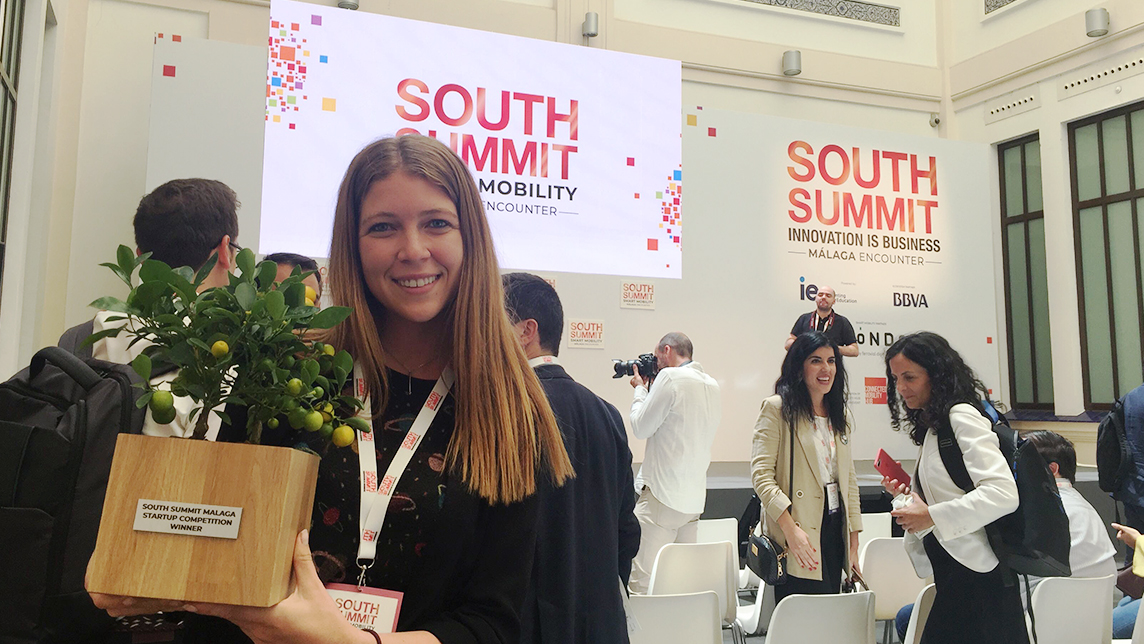
Amid Covid-19 gloom, some bright spots in Portugal's tech startup scene
Despite a recession and doubling of the unemployment rate forecast this year, it's not all bad news for the Portuguese tech ecosystem

Paint-and-sip startup Bartega pivots online amid Covid-19, spreading the joy of painting to more
The Indonesian startup finds new opportunities for growth in its unexpected shift
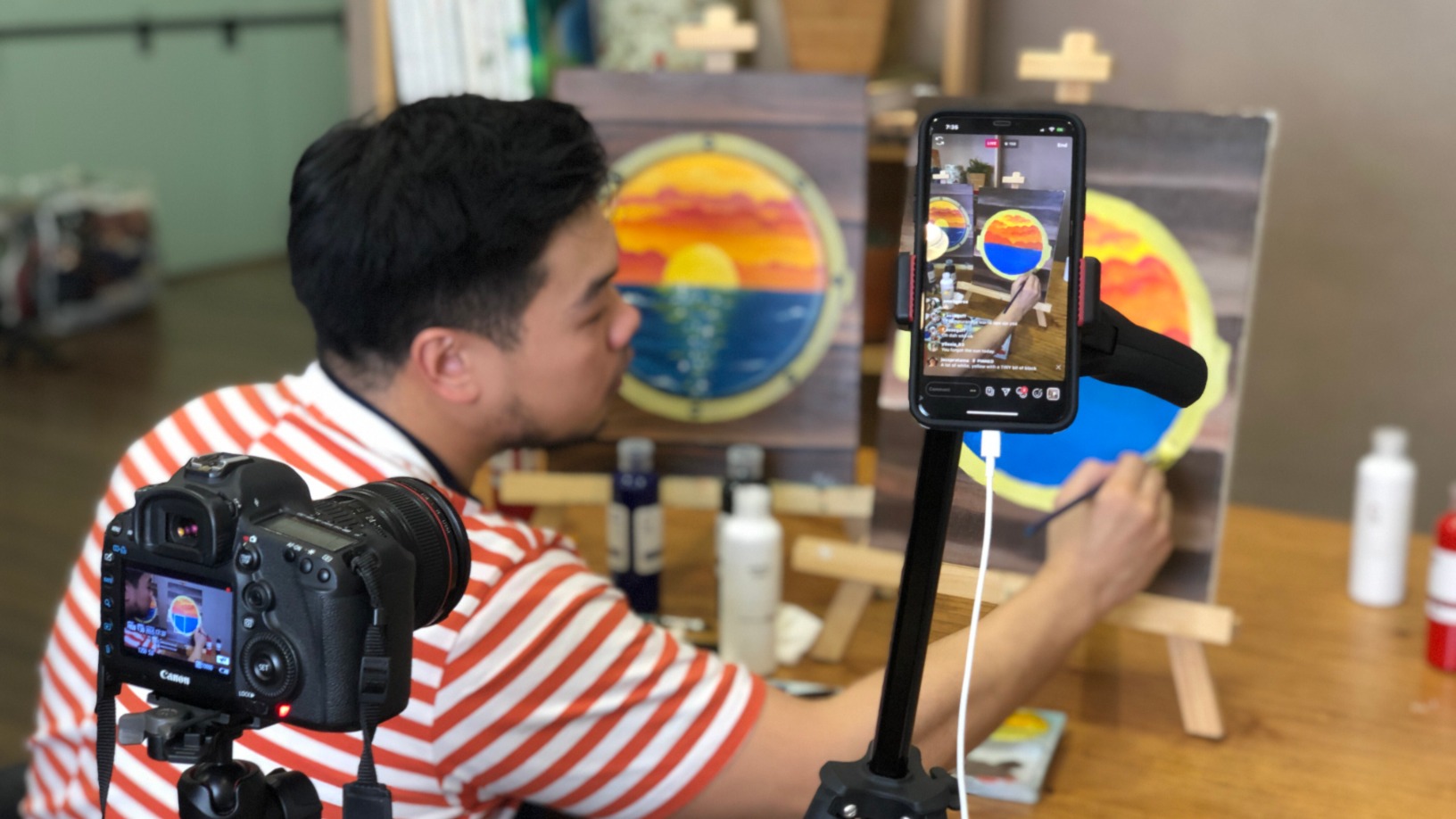
Sound Particles: the CGI for sound effects taking Hollywood by storm
This revolutionary 3D audio software has propelled Portuguese founder Nuno Fonseca from teaching music to credits in Star Wars, Game of Thrones and Frozen II.

CO2 Revolution: One man's quest to reforest the world
Juan Carlos Sesma is not just a man on a mission – he wants to change the world via his reforestation startup, CO2 Revolution, combining drones, intelligent seeds and big data. Sesma discusses his revolutionary yet scalable plans with CompassList at the recent Madrid South Summit
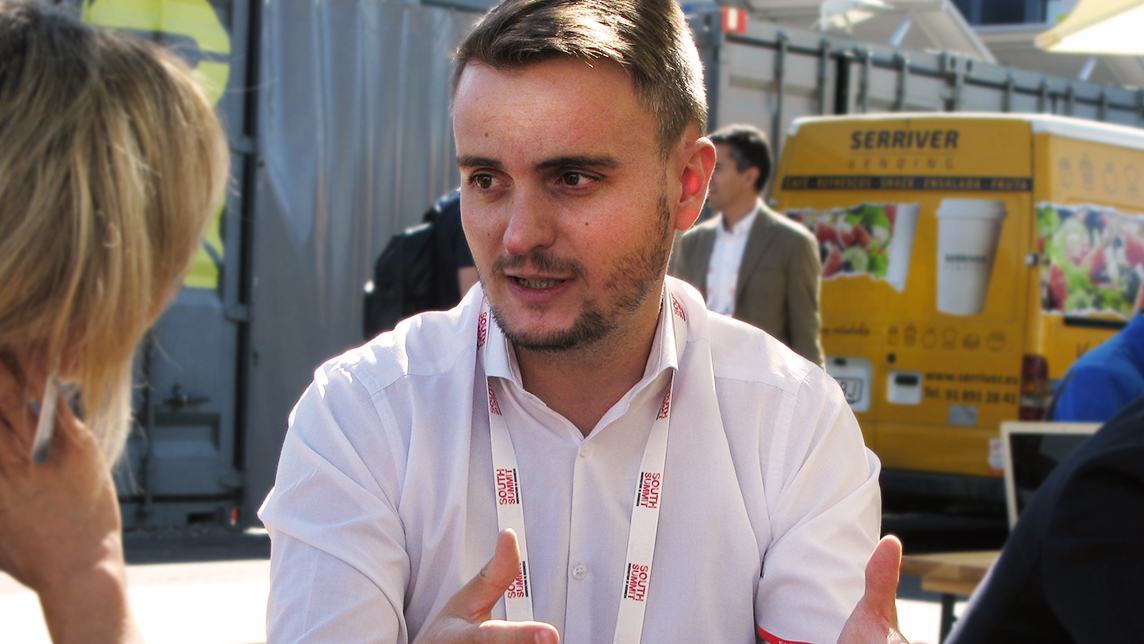
SWITCH Singapore: Alternative protein sure to take off in Asia, with Singapore as innovation hotbed
In an in-depth discussion, food industry experts say products made with alternative protein in hybrid forms could offer the fastest route to commercialization

Interview with Qlue CEO: "We didn't know what a smart city should look like"
Co-founder and CEO of Qlue, Indonesia's largest "smart city" company, Rama Raditya explains how citizen involvement – not high-tech – is the true innovation of smart cities and the agent for change; plus how his startup has grown from partnering governments to businesses, and more
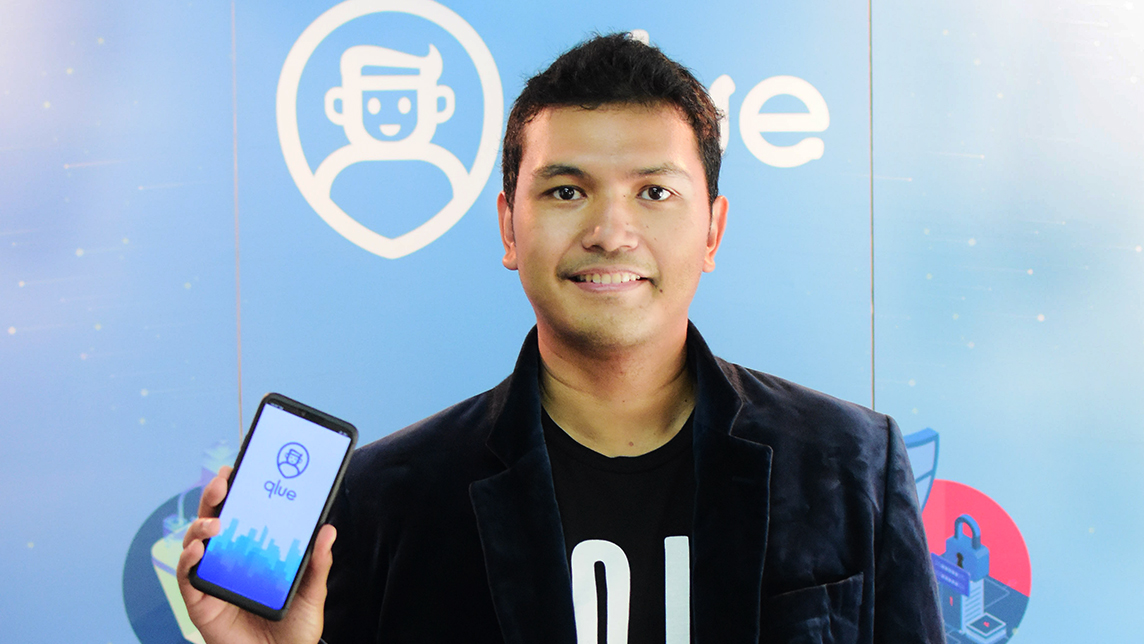
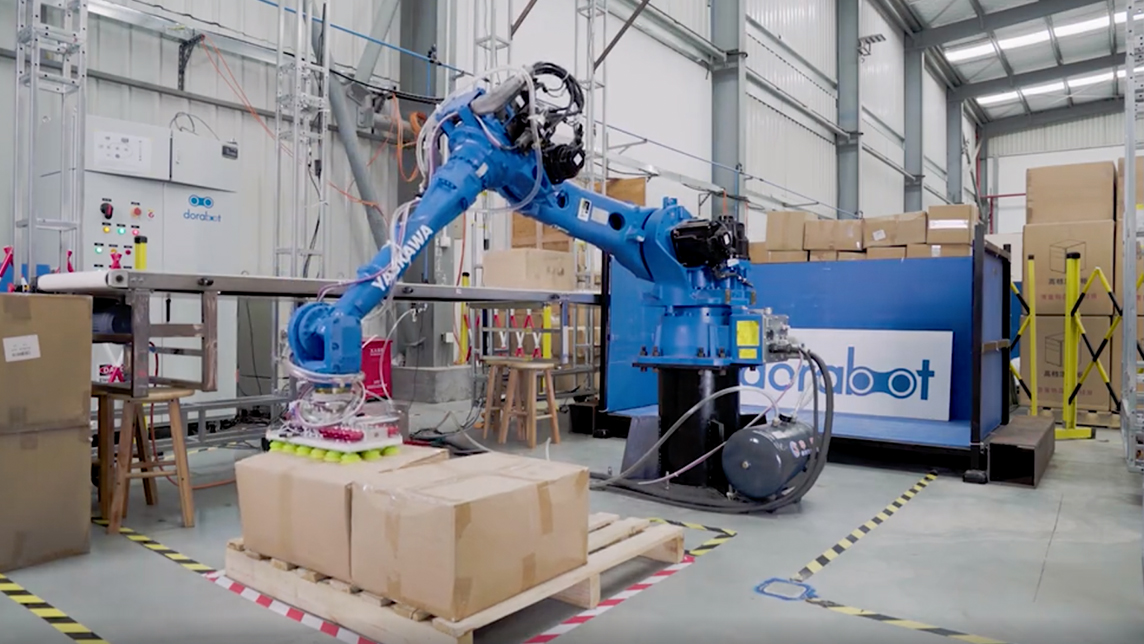
Dorabot's aim for warehousing: No humans allowed
With a combination of AI, global partnerships and speed, Dorabot is leaping into the future
Plant-based eggs: The next big thing in the alternative protein market
Plant-based eggs may be the fastest growing segment in plant-based foods, but hacking the formula for a perfect egg substitute is proving a hurdle. Are alt-protein startups up for the challenge?

The Watertree Project: Eliminating single-use plastic water bottles in Malaysia
With high-profile Malaysian corporate clients under its belt, the startup is in no hurry to raise funds, preferring to focus on raising public awareness and winning mindshare

IXON: Preserving food without canning or freezing
Chinese foodtech IXON aims to disrupt global cold chain logistics with its novel food preparation and packaging solution that keeps food fresh at room temperature for years

In China's frothy tea drink universe, startups learn to battle
Tea shop startups like Nayuki and Heytea are staying afloat by turning to high-quality organic ingredients and greater brand visibility

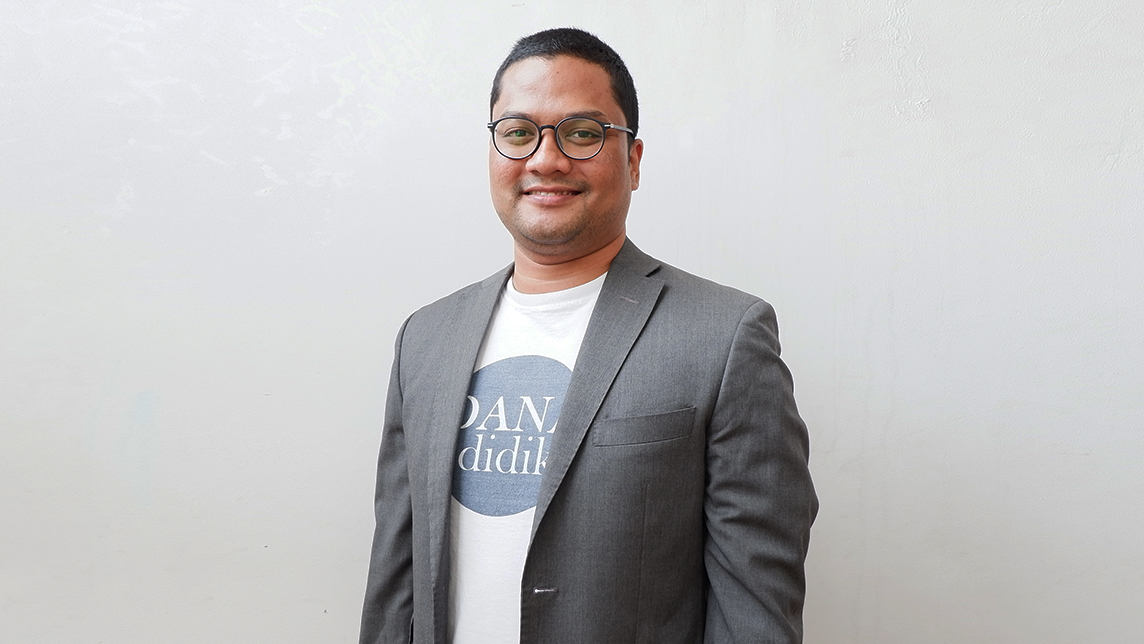
Education for all: Interview with DANAdidik CEO Dipo Satria
The student loan startup is narrowing its focus to funding students planning on healthcare careers, and it also hopes to attract more financing from impact investors
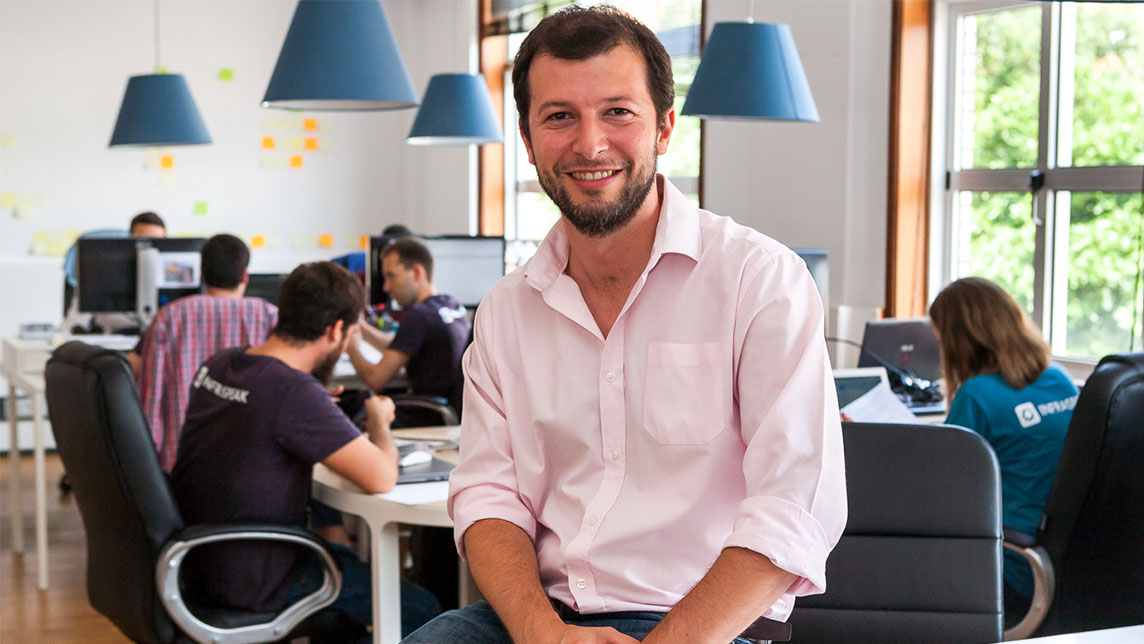
Infraspeak to raise up to €12m in Series A funding to accelerate European expansion
CEO Felipe Ávila da Costa discusses his rapidly growing facilities management platform that's helping airports, malls and hospitals run smoothly from Brazil to Mozambique
Why is it so hard for Chinese edtech startups to make money in an alluring market?
Parents’ willingness to pay and investors’ enthusiasm are not enough to ensure a profitable future for edtechs that still lack a viable business model

Sorry, we couldn’t find any matches for “KEEP”.
POPULAR DATABASE